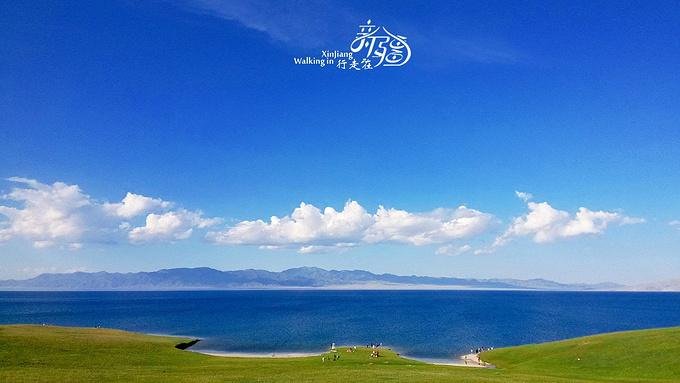
Sayram Lake – Xinjiang’s Alpine Blue Tear, and How to See It Right
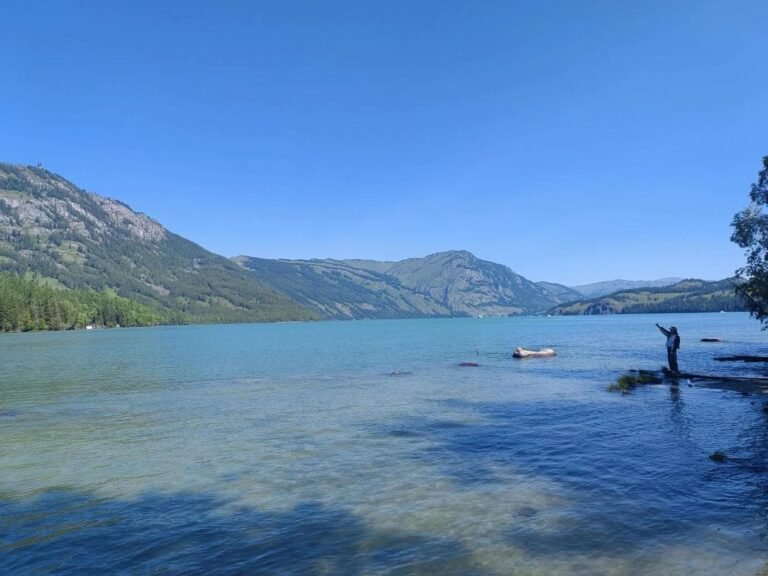
Someone described Sayram Lake to me as “the last tear of the Atlantic,” and I rolled my eyes – until I saw it. At 2,073 meters, ringed by snow mountains, with a blue so saturated it looks filtered, Sayram (赛里木湖) is the kind of place that makes a long driving day instantly worth it. I’ve now stopped here four times, in two seasons, and the light is never the same twice.
For broader regional travel background, see China Daily’s Xinjiang travel coverage.
This guide covers the logistics that actually matter – because Sayram is a drive-through-or-stay decision, and getting that wrong wastes the whole visit.
Where It Is and Why the Drive Matters
Sayram sits in the Ili Valley (伊犁河谷), on the highway corridor between Urumqi and Yining (伊宁), about 90 km from Yining and roughly 550 km from Urumqi. It’s a natural stop on the >Xinjiang Silk Road and Ili routes. The lake itself is huge – about 90 km around the ring road that now fully circles it – so “seeing Sayram” is really “driving the loop and choosing your stops.”
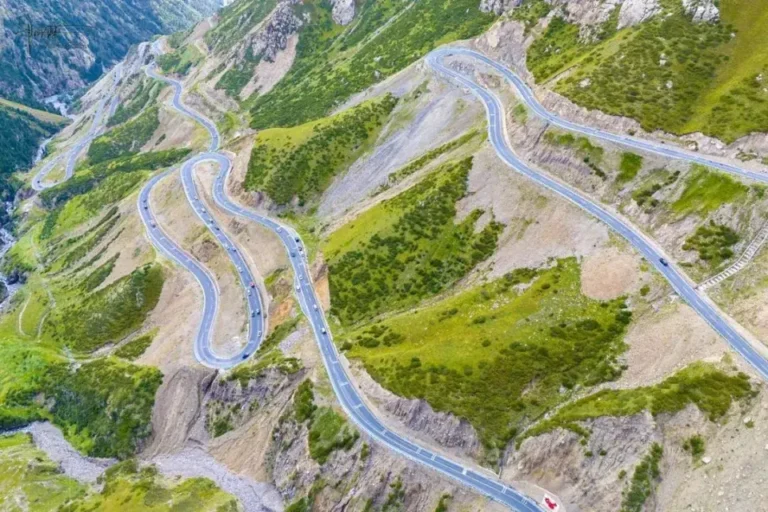
The drive up from Yining passes the Guozigou (果子沟) bridge and gorge, which is a stop in its own right. The cable-stayed bridge is one of the most photographed structures in Xinjiang, and the gorge below it runs green and deep. Don’t blast through; the viewpoint over the gorge is genuinely spectacular and there’s a dedicated pull-off.
Getting There
- From Yining: 1.5–2 hours by car. This is the easiest base and the one I recommend.
- From Urumqi: 6–7 hours; most people combine it with a multi-day Ili trip rather than a day run. A private driver makes the long haul far more pleasant.
- By bus/tour: Yining has regular transport, but a private driver is far more flexible for the ring road and the Guozigou stop.
Inside the park there’s now a ring road you can drive or shuttle, with marked stops and boardwalks. A full loop takes 3–4 hours with photo stops; rushing it in an hour means you’ve seen the lake from one angle and missed the rest.
When to Go
- June–July: wildflowers carpet the meadows around the lake, and the weather is warm. This is prime time and my personal favorite. Expect more visitors, especially on weekends.
- September–October: golden grasslands, fewer crowds, crisp air, and clear blue skies. Excellent for photography.
- Winter: frozen and surreal, with “blue ice” formations and a stillness you won’t get any other time – but brutally cold (often -20°C), and some facilities close.
- April–May: muddy, windy, not at its best. If you can, wait for June.
More on seasonal trade-offs in our best-time guide.
The Ring Road: Which Stops Actually Matter
The loop has a dozen marked points, but three are worth your time:
- The east shore – the classic wide-water, snow-mountain reflection shot. Best in the calm of early morning.
- The north shore – windswept and open, with the best views back toward the Guozigou pass.
- The south/west inlets – where the wildflower meadows meet the water in June–July. This is the postcard combination.
There are also yurt encampments and a few cafés at stops; prices are tourist-level, so budget accordingly.
Staying Near the Lake
You can:
- Day-trip from Yining – fine if you’re short on time, but you miss sunrise and sunset, which are the best light and the emptiest moments.
- Stay at the lakeside yurts or the new hotels inside the park – pricier, but waking up to the lake and walking the boardwalk before the crowds is the move. Book ahead in July.
- Camp – permitted in spots; bring proper gear, because nights are cold even in summer (the altitude keeps it brisk).
Costs (2025–2026)
- Entry + ring-road shuttle: roughly ¥140–190 per person, depending on the pass type and whether you drive the ring road yourself or take the shuttle.
- Lakeside hotel/yurt: ¥500–1,200 peak, much less off-season.
- Fuel/transport from Yining round trip: ¥300–600 by car, more with a private driver.
What to Actually Do
- Drive the full ring road – the east and north shores have the best mountain reflections; don’t just stop at the first viewpoint.
- Walk a stretch of the lakeside rather than only viewing from the car; the boardwalks are well built and quiet early.
- Combine with Yining and the Huocheng lavender fields in summer – our [Ili itinerary](https://www.xinjiangtravels.com/xinjiang-itinerary) covers the loop, and the [lavender season](https://www.xinjiangtravels.com/huocheng-lavender-fields-xinjiangs-provence) is a July highlight.
- Photograph at the blue hour if you stay inside the park – the lake goes from blue to steel to ink as the sun drops.
Food and the Wider Ili Loop
Sayram itself has only tourist-price snacks and yurt meals. The real food is in Yining – the hand-pulled noodles, the lagman, the grilled meat – and in Huocheng during lavender season. If you want the full eating picture, our Xinjiang food guide and the >night-market piece will steer you right.
The Verdict
Sayram is the easiest “wow” in the Ili Valley and a perfect counterpoint to the alpine drama of Kanas Lake. Pair the two and you’ve got the best water scenery Xinjiang offers. If you’d rather not self-drive the ring road and wrangle permits, our tailor-made Xinjiang tours build Sayram into a proper Ili route, and our budget guide helps you price the loop.
Frequently Asked Questions
When is the best time to visit Sayram Lake?
The prime window is June to September, when the surrounding grasslands turn green and wildflowers bloom against the blue water. Winter (December to February) is harsh but offers a frozen, surreal landscape for photography.
How do I get to Sayram Lake?
Sayram sits about 100 km from Yining and roughly 550 km from Urumqi. Most travelers reach it as part of a northern Xinjiang loop by rental car or on a guided tour; the nearby city of Bole is the usual gateway.
Is Sayram Lake worth visiting?
Yes. It is the largest alpine lake in Xinjiang and one of the few places where you can see snow-capped mountains reflecting directly into a high-altitude lake.
Can you stay overnight at Sayram Lake?
Yes. There are yurt stays and a developed scenic-area hotel inside the park, or you can base yourself in Bole and drive in for the day.
Is it safe to visit Sayram Lake?
It is a well-developed, ticketed scenic area with ranger presence, so it is safe for foreign travelers.
Frequently Asked Questions
Can you drive around Sayram Lake?
Yes. A 90 km ring road circles the lake and the whole loop takes 2-3 hours with stops. RVs and cars can pull over at designated bays. In summer the lakeside meadows are covered with wildflowers and herder yurts.
Why is Sayram Lake called the Atlantic’s last tear?
It sits at 2,073 m in the Tian Shan and is the last place where moisture from the Atlantic reaches before the Central Asian deserts. The name is poetic, not scientific, but the deep-blue water and alpine setting make it one of Xinjiang’s most photogenic spots.
When does Sayram Lake freeze and thaw?
The lake freezes around late November and stays ice-bound until late March. The spring thaw (April) is dramatic as cracks boom across the surface. Summer (Jun-Aug) is the classic visiting window with the mildest weather.
Is Sayram Lake worth it if I’m short on time?
If you are driving the Urumqi-Khorgos corridor it is a natural stop. If your trip is purely south Xinjiang, skip it – it is a north-Xinjiang highlight best paired with Yili grasslands.