

- Hello: “As-salamu alaykum” (in Uyghur areas) or “Ni hao” (in Han areas)
- Thank you: “Rahmat” (Uyghur) or “Xie xie” (Chinese)
- How much: “Qancha pul” (Uyghur) or “Duo shao qian” (Chinese)
- In mosques: Dress modestly (cover shoulders and knees). Women don’t need to cover their hair, but should avoid sleeveless tops.
- In rural areas: Ask before taking someone’s portrait. A thumbs-up and a smile usually works as permission.
- In someone’s home: Accept the tea. It’s rude to refuse, and the host will keep refilling your cup.
- Restaurants serve dinner at 8-9 PM (Beijing Time 8 PM = Xinjiang Time 6 PM)
- The sun rises at 7:30 AM (Beijing Time) = 5:30 AM (Xinjiang Time)
- Your body will want to sleep at 10 PM, but the city is still alive at midnight
- Hello: “As-salamu alaykum” (in Uyghur areas) or “Ni hao” (in Han areas)
- Thank you: “Rahmat” (Uyghur) or “Xie xie” (Chinese)
- How much: “Qancha pul” (Uyghur) or “Duo shao qian” (Chinese)
- In mosques: Dress modestly (cover shoulders and knees). Women don’t need to cover their hair, but should avoid sleeveless tops.
- In rural areas: Ask before taking someone’s portrait. A thumbs-up and a smile usually works as permission.
- In someone’s home: Accept the tea. It’s rude to refuse, and the host will keep refilling your cup.
- Restaurants serve dinner at 8-9 PM (Beijing Time 8 PM = Xinjiang Time 6 PM)
- The sun rises at 7:30 AM (Beijing Time) = 5:30 AM (Xinjiang Time)
- Your body will want to sleep at 10 PM, but the city is still alive at midnight
- Hello: “As-salamu alaykum” (in Uyghur areas) or “Ni hao” (in Han areas)
- Thank you: “Rahmat” (Uyghur) or “Xie xie” (Chinese)
- How much: “Qancha pul” (Uyghur) or “Duo shao qian” (Chinese)
- In mosques: Dress modestly (cover shoulders and knees). Women don’t need to cover their hair, but should avoid sleeveless tops.
- In rural areas: Ask before taking someone’s portrait. A thumbs-up and a smile usually works as permission.
- In someone’s home: Accept the tea. It’s rude to refuse, and the host will keep refilling your cup.
- Restaurants serve dinner at 8-9 PM (Beijing Time 8 PM = Xinjiang Time 6 PM)
- The sun rises at 7:30 AM (Beijing Time) = 5:30 AM (Xinjiang Time)
- Your body will want to sleep at 10 PM, but the city is still alive at midnight
- Hello: “As-salamu alaykum” (in Uyghur areas) or “Ni hao” (in Han areas)
- Thank you: “Rahmat” (Uyghur) or “Xie xie” (Chinese)
- How much: “Qancha pul” (Uyghur) or “Duo shao qian” (Chinese)
- In mosques: Dress modestly (cover shoulders and knees). Women don’t need to cover their hair, but should avoid sleeveless tops.
- In rural areas: Ask before taking someone’s portrait. A thumbs-up and a smile usually works as permission.
- In someone’s home: Accept the tea. It’s rude to refuse, and the host will keep refilling your cup.
- Restaurants serve dinner at 8-9 PM (Beijing Time 8 PM = Xinjiang Time 6 PM)
- The sun rises at 7:30 AM (Beijing Time) = 5:30 AM (Xinjiang Time)
- Your body will want to sleep at 10 PM, but the city is still alive at midnight
- Hello: “As-salamu alaykum” (in Uyghur areas) or “Ni hao” (in Han areas)
- Thank you: “Rahmat” (Uyghur) or “Xie xie” (Chinese)
- How much: “Qancha pul” (Uyghur) or “Duo shao qian” (Chinese)
- In mosques: Dress modestly (cover shoulders and knees). Women don’t need to cover their hair, but should avoid sleeveless tops.
- In rural areas: Ask before taking someone’s portrait. A thumbs-up and a smile usually works as permission.
- In someone’s home: Accept the tea. It’s rude to refuse, and the host will keep refilling your cup.
- Restaurants serve dinner at 8-9 PM (Beijing Time 8 PM = Xinjiang Time 6 PM)
- The sun rises at 7:30 AM (Beijing Time) = 5:30 AM (Xinjiang Time)
- Your body will want to sleep at 10 PM, but the city is still alive at midnight
- Hello: “As-salamu alaykum” (in Uyghur areas) or “Ni hao” (in Han areas)
- Thank you: “Rahmat” (Uyghur) or “Xie xie” (Chinese)
- How much: “Qancha pul” (Uyghur) or “Duo shao qian” (Chinese)
- In mosques: Dress modestly (cover shoulders and knees). Women don’t need to cover their hair, but should avoid sleeveless tops.
- In rural areas: Ask before taking someone’s portrait. A thumbs-up and a smile usually works as permission.
- In someone’s home: Accept the tea. It’s rude to refuse, and the host will keep refilling your cup.
- Restaurants serve dinner at 8-9 PM (Beijing Time 8 PM = Xinjiang Time 6 PM)
- The sun rises at 7:30 AM (Beijing Time) = 5:30 AM (Xinjiang Time)
- Your body will want to sleep at 10 PM, but the city is still alive at midnight
- Hello: “As-salamu alaykum” (in Uyghur areas) or “Ni hao” (in Han areas)
- Thank you: “Rahmat” (Uyghur) or “Xie xie” (Chinese)
- How much: “Qancha pul” (Uyghur) or “Duo shao qian” (Chinese)
- In mosques: Dress modestly (cover shoulders and knees). Women don’t need to cover their hair, but should avoid sleeveless tops.
- In rural areas: Ask before taking someone’s portrait. A thumbs-up and a smile usually works as permission.
- In someone’s home: Accept the tea. It’s rude to refuse, and the host will keep refilling your cup.
- Restaurants serve dinner at 8-9 PM (Beijing Time 8 PM = Xinjiang Time 6 PM)
- The sun rises at 7:30 AM (Beijing Time) = 5:30 AM (Xinjiang Time)
- Your body will want to sleep at 10 PM, but the city is still alive at midnight
- Hello: “As-salamu alaykum” (in Uyghur areas) or “Ni hao” (in Han areas)
- Thank you: “Rahmat” (Uyghur) or “Xie xie” (Chinese)
- How much: “Qancha pul” (Uyghur) or “Duo shao qian” (Chinese)
- In mosques: Dress modestly (cover shoulders and knees). Women don’t need to cover their hair, but should avoid sleeveless tops.
- In rural areas: Ask before taking someone’s portrait. A thumbs-up and a smile usually works as permission.
- In someone’s home: Accept the tea. It’s rude to refuse, and the host will keep refilling your cup.
- Restaurants serve dinner at 8-9 PM (Beijing Time 8 PM = Xinjiang Time 6 PM)
- The sun rises at 7:30 AM (Beijing Time) = 5:30 AM (Xinjiang Time)
- Your body will want to sleep at 10 PM, but the city is still alive at midnight
- Hello: “As-salamu alaykum” (in Uyghur areas) or “Ni hao” (in Han areas)
- Thank you: “Rahmat” (Uyghur) or “Xie xie” (Chinese)
- How much: “Qancha pul” (Uyghur) or “Duo shao qian” (Chinese)
- In mosques: Dress modestly (cover shoulders and knees). Women don’t need to cover their hair, but should avoid sleeveless tops.
- In rural areas: Ask before taking someone’s portrait. A thumbs-up and a smile usually works as permission.
- In someone’s home: Accept the tea. It’s rude to refuse, and the host will keep refilling your cup.
- Restaurants serve dinner at 8-9 PM (Beijing Time 8 PM = Xinjiang Time 6 PM)
- The sun rises at 7:30 AM (Beijing Time) = 5:30 AM (Xinjiang Time)
- Your body will want to sleep at 10 PM, but the city is still alive at midnight
- Hello: “As-salamu alaykum” (in Uyghur areas) or “Ni hao” (in Han areas)
- Thank you: “Rahmat” (Uyghur) or “Xie xie” (Chinese)
- How much: “Qancha pul” (Uyghur) or “Duo shao qian” (Chinese)
- In mosques: Dress modestly (cover shoulders and knees). Women don’t need to cover their hair, but should avoid sleeveless tops.
- In rural areas: Ask before taking someone’s portrait. A thumbs-up and a smile usually works as permission.
- In someone’s home: Accept the tea. It’s rude to refuse, and the host will keep refilling your cup.
- Restaurants serve dinner at 8-9 PM (Beijing Time 8 PM = Xinjiang Time 6 PM)
- The sun rises at 7:30 AM (Beijing Time) = 5:30 AM (Xinjiang Time)
- Your body will want to sleep at 10 PM, but the city is still alive at midnight
- Hello: “As-salamu alaykum” (in Uyghur areas) or “Ni hao” (in Han areas)
- Thank you: “Rahmat” (Uyghur) or “Xie xie” (Chinese)
- How much: “Qancha pul” (Uyghur) or “Duo shao qian” (Chinese)
- In mosques: Dress modestly (cover shoulders and knees). Women don’t need to cover their hair, but should avoid sleeveless tops.
- In rural areas: Ask before taking someone’s portrait. A thumbs-up and a smile usually works as permission.
- In someone’s home: Accept the tea. It’s rude to refuse, and the host will keep refilling your cup.
- Restaurants serve dinner at 8-9 PM (Beijing Time 8 PM = Xinjiang Time 6 PM)
- The sun rises at 7:30 AM (Beijing Time) = 5:30 AM (Xinjiang Time)
- Your body will want to sleep at 10 PM, but the city is still alive at midnight
- Hello: “As-salamu alaykum” (in Uyghur areas) or “Ni hao” (in Han areas)
- Thank you: “Rahmat” (Uyghur) or “Xie xie” (Chinese)
- How much: “Qancha pul” (Uyghur) or “Duo shao qian” (Chinese)
- In mosques: Dress modestly (cover shoulders and knees). Women don’t need to cover their hair, but should avoid sleeveless tops.
- In rural areas: Ask before taking someone’s portrait. A thumbs-up and a smile usually works as permission.
- In someone’s home: Accept the tea. It’s rude to refuse, and the host will keep refilling your cup.
- Restaurants serve dinner at 8-9 PM (Beijing Time 8 PM = Xinjiang Time 6 PM)
- The sun rises at 7:30 AM (Beijing Time) = 5:30 AM (Xinjiang Time)
- Your body will want to sleep at 10 PM, but the city is still alive at midnight
- Hello: “As-salamu alaykum” (in Uyghur areas) or “Ni hao” (in Han areas)
- Thank you: “Rahmat” (Uyghur) or “Xie xie” (Chinese)
- How much: “Qancha pul” (Uyghur) or “Duo shao qian” (Chinese)
- In mosques: Dress modestly (cover shoulders and knees). Women don’t need to cover their hair, but should avoid sleeveless tops.
- In rural areas: Ask before taking someone’s portrait. A thumbs-up and a smile usually works as permission.
- In someone’s home: Accept the tea. It’s rude to refuse, and the host will keep refilling your cup.
- Restaurants serve dinner at 8-9 PM (Beijing Time 8 PM = Xinjiang Time 6 PM)
- The sun rises at 7:30 AM (Beijing Time) = 5:30 AM (Xinjiang Time)
- Your body will want to sleep at 10 PM, but the city is still alive at midnight
- Hello: “As-salamu alaykum” (in Uyghur areas) or “Ni hao” (in Han areas)
- Thank you: “Rahmat” (Uyghur) or “Xie xie” (Chinese)
- How much: “Qancha pul” (Uyghur) or “Duo shao qian” (Chinese)
- In mosques: Dress modestly (cover shoulders and knees). Women don’t need to cover their hair, but should avoid sleeveless tops.
- In rural areas: Ask before taking someone’s portrait. A thumbs-up and a smile usually works as permission.
- In someone’s home: Accept the tea. It’s rude to refuse, and the host will keep refilling your cup.
- Restaurants serve dinner at 8-9 PM (Beijing Time 8 PM = Xinjiang Time 6 PM)
- The sun rises at 7:30 AM (Beijing Time) = 5:30 AM (Xinjiang Time)
- Your body will want to sleep at 10 PM, but the city is still alive at midnight
- Hello: “As-salamu alaykum” (in Uyghur areas) or “Ni hao” (in Han areas)
- Thank you: “Rahmat” (Uyghur) or “Xie xie” (Chinese)
- How much: “Qancha pul” (Uyghur) or “Duo shao qian” (Chinese)
- In mosques: Dress modestly (cover shoulders and knees). Women don’t need to cover their hair, but should avoid sleeveless tops.
- In rural areas: Ask before taking someone’s portrait. A thumbs-up and a smile usually works as permission.
- In someone’s home: Accept the tea. It’s rude to refuse, and the host will keep refilling your cup.
- Restaurants serve dinner at 8-9 PM (Beijing Time 8 PM = Xinjiang Time 6 PM)
- The sun rises at 7:30 AM (Beijing Time) = 5:30 AM (Xinjiang Time)
- Your body will want to sleep at 10 PM, but the city is still alive at midnight
- Hello: “As-salamu alaykum” (in Uyghur areas) or “Ni hao” (in Han areas)
- Thank you: “Rahmat” (Uyghur) or “Xie xie” (Chinese)
- How much: “Qancha pul” (Uyghur) or “Duo shao qian” (Chinese)
- In mosques: Dress modestly (cover shoulders and knees). Women don’t need to cover their hair, but should avoid sleeveless tops.
- In rural areas: Ask before taking someone’s portrait. A thumbs-up and a smile usually works as permission.
- In someone’s home: Accept the tea. It’s rude to refuse, and the host will keep refilling your cup.
- Restaurants serve dinner at 8-9 PM (Beijing Time 8 PM = Xinjiang Time 6 PM)
- The sun rises at 7:30 AM (Beijing Time) = 5:30 AM (Xinjiang Time)
- Your body will want to sleep at 10 PM, but the city is still alive at midnight
- Hello: “As-salamu alaykum” (in Uyghur areas) or “Ni hao” (in Han areas)
- Thank you: “Rahmat” (Uyghur) or “Xie xie” (Chinese)
- How much: “Qancha pul” (Uyghur) or “Duo shao qian” (Chinese)
- In mosques: Dress modestly (cover shoulders and knees). Women don’t need to cover their hair, but should avoid sleeveless tops.
- In rural areas: Ask before taking someone’s portrait. A thumbs-up and a smile usually works as permission.
- In someone’s home: Accept the tea. It’s rude to refuse, and the host will keep refilling your cup.
- Restaurants serve dinner at 8-9 PM (Beijing Time 8 PM = Xinjiang Time 6 PM)
- The sun rises at 7:30 AM (Beijing Time) = 5:30 AM (Xinjiang Time)
- Your body will want to sleep at 10 PM, but the city is still alive at midnight
- Hello: “As-salamu alaykum” (in Uyghur areas) or “Ni hao” (in Han areas)
- Thank you: “Rahmat” (Uyghur) or “Xie xie” (Chinese)
- How much: “Qancha pul” (Uyghur) or “Duo shao qian” (Chinese)
- In mosques: Dress modestly (cover shoulders and knees). Women don’t need to cover their hair, but should avoid sleeveless tops.
- In rural areas: Ask before taking someone’s portrait. A thumbs-up and a smile usually works as permission.
- In someone’s home: Accept the tea. It’s rude to refuse, and the host will keep refilling your cup.
- Restaurants serve dinner at 8-9 PM (Beijing Time 8 PM = Xinjiang Time 6 PM)
- The sun rises at 7:30 AM (Beijing Time) = 5:30 AM (Xinjiang Time)
- Your body will want to sleep at 10 PM, but the city is still alive at midnight
- Hello: “As-salamu alaykum” (in Uyghur areas) or “Ni hao” (in Han areas)
- Thank you: “Rahmat” (Uyghur) or “Xie xie” (Chinese)
- How much: “Qancha pul” (Uyghur) or “Duo shao qian” (Chinese)
- In mosques: Dress modestly (cover shoulders and knees). Women don’t need to cover their hair, but should avoid sleeveless tops.
- In rural areas: Ask before taking someone’s portrait. A thumbs-up and a smile usually works as permission.
- In someone’s home: Accept the tea. It’s rude to refuse, and the host will keep refilling your cup.
- Restaurants serve dinner at 8-9 PM (Beijing Time 8 PM = Xinjiang Time 6 PM)
- The sun rises at 7:30 AM (Beijing Time) = 5:30 AM (Xinjiang Time)
- Your body will want to sleep at 10 PM, but the city is still alive at midnight
- Hello: “As-salamu alaykum” (in Uyghur areas) or “Ni hao” (in Han areas)
- Thank you: “Rahmat” (Uyghur) or “Xie xie” (Chinese)
- How much: “Qancha pul” (Uyghur) or “Duo shao qian” (Chinese)
- In mosques: Dress modestly (cover shoulders and knees). Women don’t need to cover their hair, but should avoid sleeveless tops.
- In rural areas: Ask before taking someone’s portrait. A thumbs-up and a smile usually works as permission.
- In someone’s home: Accept the tea. It’s rude to refuse, and the host will keep refilling your cup.
- Restaurants serve dinner at 8-9 PM (Beijing Time 8 PM = Xinjiang Time 6 PM)
- The sun rises at 7:30 AM (Beijing Time) = 5:30 AM (Xinjiang Time)
- Your body will want to sleep at 10 PM, but the city is still alive at midnight
- Hello: “As-salamu alaykum” (in Uyghur areas) or “Ni hao” (in Han areas)
- Thank you: “Rahmat” (Uyghur) or “Xie xie” (Chinese)
- How much: “Qancha pul” (Uyghur) or “Duo shao qian” (Chinese)
- In mosques: Dress modestly (cover shoulders and knees). Women don’t need to cover their hair, but should avoid sleeveless tops.
- In rural areas: Ask before taking someone’s portrait. A thumbs-up and a smile usually works as permission.
- In someone’s home: Accept the tea. It’s rude to refuse, and the host will keep refilling your cup.
The effort is appreciated more than the result. People will switch to gestures, Google Translate, or English.
This guide is part of our complete Xinjiang Travel Guide series for foreign travelers.
12. The Weather Changes Fast
Xinjiang is a dry climate, which means the temperature drops 10-15°C (18-27°F) at night — even in summer.
What to pack: Layers. A light jacket that you can tie around your waist during the day and put on at night.
13. Yes, You Can Drink the Tap Water (After Boiling)
In the cities (Urumqi, Kashgar, Turpan), the tap water is safe to drink *after boiling*. Most hotels have a hot water dispenser in the lobby or the room.
In rural areas and on the road: stick to bottled water. It’s cheap (2-3 RMB per 500ml) and available everywhere.
14. Don’t Skip the Small Towns
The big sights (Kanas, Heavenly Lake, the Kashgar Old City) are famous for a reason. But the small towns — Yining, Kuqa, Hotan — are where you’ll have conversations that aren’t scripted for tourists.
If you have extra days, spend one in a small town that isn’t in the guidebooks.
15. The Border Permit Situation
If you’re planning to visit Baihaba Village (near the Kazakhstan border) or Taxkorgan (the Pamir Plateau), you need a Border Area Entry Permit.
How to get it: Apply at the Public Security Bureau in Urumqi, Kashgar, or a nearby town. Takes 1-3 business days.
The shortcut: Book a tour through a licensed Xinjiang travel agency. They handle the permit for you.
16. WiFi on Trains and Buses Is… Inconsistent
The high-speed train from Urumqi to Turpan has WiFi (free, but slow). The overnight train to Kashgar: don’t count on it.
What to download before you travel: Ofline maps, a few movies, and playlists. The landscapes are spectacular, but the travel times are long.
17. Bargain — But Not Too Hard
At the International Bazaar in Urumqi and the Kashgar markets, the first price is usually 30-40% high.
How to bargain: Offer 50% of the first price, meet in the middle. But don’t bargain for 20 minutes over a 10 RMB difference. It’s not worth your time, and it’s not how things work here.
18. The Sunday Bazaar in Kashgar Starts Early
If you want to see the livestock market (one of the largest in Central Asia), go by 8:30 AM. By 11 AM, the best animals are sold.
The market is every Sunday. If you’re not in Kashgar on a Sunday, you’ve missed it for the week.
19. Respect the Culture (It’s Not Hard)
Xinjiang is culturally diverse. A few things that aren’t complicated, but matter:
20. Leave Extra Buffer Time
Xinjiang is huge. The drive from Urumqi to Kashgar is 1,200 km. The flight is 2 hours, but with airport time, it’s 5 hours.
If you have a flight out of Urumqi or Kashgar, don’t book it for the same day as your arrival in the region. Give yourself a night’s buffer. Delays happen.
The One Thing I Can’t Put in a List
The best moments in Xinjiang aren’t the ones you planned. They’re the ones that happened because you were lost (the good kind of lost), because you accepted the tea, because you stayed an extra day in a town that wasn’t on your itinerary.
Don’t overplan. Leave space.
Have a specific question that isn’t in this list? Contact us — we do our best to reply to every inquiry from fellow travelers.
—
*This guide was updated in June 2026 based on first-hand travel experience.*
Practical tip: Adjust your watch to Xinjiang Time. Your meals, your sightseeing, and your sleep will all make more sense.
9. Book Hotels in Advance (Especially Summer)
July-August is peak season. The good hotels in Kanas and Kashgar sell out 2-3 weeks in advance.
How to book as a foreigner: Booking.com and Agoda are reliable for confirming that a hotel accepts foreigners. Ctrip is less so (the “accepts foreigners” filter isn’t always accurate).
10. The Bathroom Situation
Public restrooms in Xinjiang are… an experience. The ones in tourist areas (Heavenly Lake, Kanas) have been upgraded in the last 5 years and are decent.
The ones in smaller towns and on rural roads: bring tissues, hand sanitizer, and manage your expectations.
Pro tip: Use the restroom at your hotel before you head out for the day.
11. Learn Three Phrases
You don’t need to speak Chinese to travel in Xinjiang, but these three will get you far:
The effort is appreciated more than the result. People will switch to gestures, Google Translate, or English.
12. The Weather Changes Fast
Xinjiang is a dry climate, which means the temperature drops 10-15°C (18-27°F) at night — even in summer.
What to pack: Layers. A light jacket that you can tie around your waist during the day and put on at night.
13. Yes, You Can Drink the Tap Water (After Boiling)
In the cities (Urumqi, Kashgar, Turpan), the tap water is safe to drink *after boiling*. Most hotels have a hot water dispenser in the lobby or the room.
In rural areas and on the road: stick to bottled water. It’s cheap (2-3 RMB per 500ml) and available everywhere.
14. Don’t Skip the Small Towns
The big sights (Kanas, Heavenly Lake, the Kashgar Old City) are famous for a reason. But the small towns — Yining, Kuqa, Hotan — are where you’ll have conversations that aren’t scripted for tourists.
If you have extra days, spend one in a small town that isn’t in the guidebooks.
15. The Border Permit Situation
If you’re planning to visit Baihaba Village (near the Kazakhstan border) or Taxkorgan (the Pamir Plateau), you need a Border Area Entry Permit.
How to get it: Apply at the Public Security Bureau in Urumqi, Kashgar, or a nearby town. Takes 1-3 business days.
The shortcut: Book a tour through a licensed Xinjiang travel agency. They handle the permit for you.
16. WiFi on Trains and Buses Is… Inconsistent
The high-speed train from Urumqi to Turpan has WiFi (free, but slow). The overnight train to Kashgar: don’t count on it.
What to download before you travel: Ofline maps, a few movies, and playlists. The landscapes are spectacular, but the travel times are long.
17. Bargain — But Not Too Hard
At the International Bazaar in Urumqi and the Kashgar markets, the first price is usually 30-40% high.
How to bargain: Offer 50% of the first price, meet in the middle. But don’t bargain for 20 minutes over a 10 RMB difference. It’s not worth your time, and it’s not how things work here.
18. The Sunday Bazaar in Kashgar Starts Early
If you want to see the livestock market (one of the largest in Central Asia), go by 8:30 AM. By 11 AM, the best animals are sold.
The market is every Sunday. If you’re not in Kashgar on a Sunday, you’ve missed it for the week.
19. Respect the Culture (It’s Not Hard)
Xinjiang is culturally diverse. A few things that aren’t complicated, but matter:
20. Leave Extra Buffer Time
Xinjiang is huge. The drive from Urumqi to Kashgar is 1,200 km. The flight is 2 hours, but with airport time, it’s 5 hours.
If you have a flight out of Urumqi or Kashgar, don’t book it for the same day as your arrival in the region. Give yourself a night’s buffer. Delays happen.
The One Thing I Can’t Put in a List
The best moments in Xinjiang aren’t the ones you planned. They’re the ones that happened because you were lost (the good kind of lost), because you accepted the tea, because you stayed an extra day in a town that wasn’t on your itinerary.
Don’t overplan. Leave space.
Have a specific question that isn’t in this list? Contact us — we do our best to reply to every inquiry from fellow travelers.
—
*This guide was updated in June 2026 based on first-hand travel experience.*
If you’re reading this, you’re probably in the middle of planning a Xinjiang trip — and you’ve already seen the official guides, the visa requirements, and the “top 10 attractions” lists.
This is the other list. The one with the things that actually matter when you’re there — not when you’re reading about it on a screen.
1. Carry Your Passport Everywhere
Not because you need it for every museum (you don’t). But because there are random security checks on the road between Urumqi and Kashgar, at the entrance to some hotels, and sometimes at the start of a hiking trail.
It’s not personal. It’s routine. Show your passport, they scan it, you’re on your way in 30 seconds.
2. Download Ofline Maps Before You Go
Google Maps doesn’t work reliably in Xinjiang. Baidu Maps is in Chinese and doesn’t work well with foreign phones.
What works: Maps.me (download the Xinjiang ofline map before you fly in). It’s not perfect, but it’ll get you to the hotel and the trailhead.
3. Bring Cash
Some places in Turpan and Kashgar don’t take international cards. Even in Urumqi, the smaller restaurants and nang shops are cash-only.
How much: 500-1,000 RMB in cash is enough for a few days. You can withdraw from Bank of China ATMs (they accept foreign cards; the daily limit is 10,000 RMB).
4. The Sunscreen Thing Is Not a Joke
Urumqi is at 900 meters. Kanas is at 1,374 meters. The sun at these altitudes is stronger than you think.
I got sunburned in Turpan in October (the temperature was 18°C / 64°F). The sun doesn’t care that it’s not hot out.
5. Altitude Sickness Is Real (But Manageable)
If you’re flying into Kanas or Taxkorgan (both 1,900+ meters), spend a night in a lower-altitude city first.
Symptoms: headache, shortness of breath, can’t sleep. If it’s mild: drink water, take it easy, don’t drink alcohol. If it’s severe: go down. Don’t try to “push through.”
6. The Food Is Spicier Than You Expect
Xinjiang cuisine uses cumin, not chili — but the combination of the two can sneak up on you.
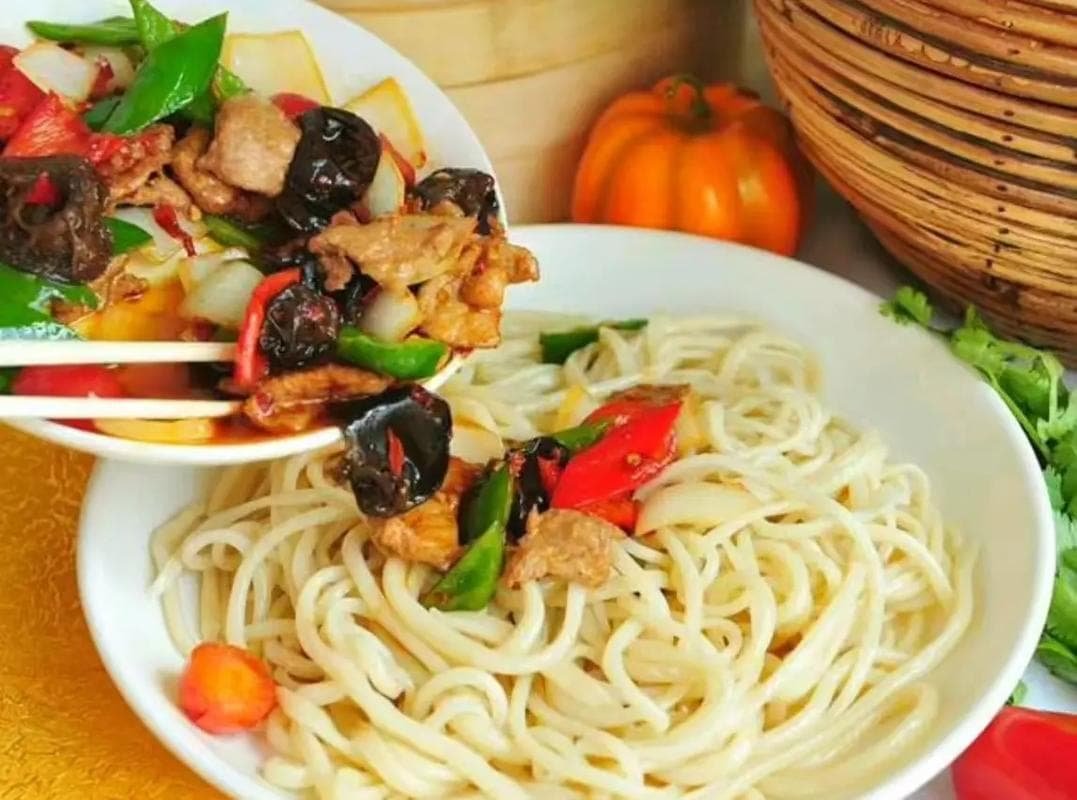
The remedy: Local yogurt (suan nai, 酸奶) or milk tea (nai cha, 奶茶). Both are available everywhere, and both cut the heat.
7. Don’t Rely on International Brands for SIM Cards
China Mobile, China Unicom, and China Telecom all work in Xinjiang, but you need to buy the SIM in person with your passport.
The easier way: Buy a temporary SIM at the airport (Urumqi and Kashgar both have kiosks). It’s 50-100 RMB for 7 days of data.
Note: WhatsApp, Instagram, and Google don’t work in China without a VPN. Set up a VPN *before* you fly to China.
8. The “Xinjiang Time” Thing
China has one timezone (Beijing Time), but Xinjiang people live on “Xinjiang Time” — which is Beijing Time minus 2 hours.
What this means:
Practical tip: Adjust your watch to Xinjiang Time. Your meals, your sightseeing, and your sleep will all make more sense.
9. Book Hotels in Advance (Especially Summer)
July-August is peak season. The good hotels in Kanas and Kashgar sell out 2-3 weeks in advance.
How to book as a foreigner: Booking.com and Agoda are reliable for confirming that a hotel accepts foreigners. Ctrip is less so (the “accepts foreigners” filter isn’t always accurate).
10. The Bathroom Situation
Public restrooms in Xinjiang are… an experience. The ones in tourist areas (Heavenly Lake, Kanas) have been upgraded in the last 5 years and are decent.
The ones in smaller towns and on rural roads: bring tissues, hand sanitizer, and manage your expectations.
Pro tip: Use the restroom at your hotel before you head out for the day.
11. Learn Three Phrases
You don’t need to speak Chinese to travel in Xinjiang, but these three will get you far:
The effort is appreciated more than the result. People will switch to gestures, Google Translate, or English.
12. The Weather Changes Fast
Xinjiang is a dry climate, which means the temperature drops 10-15°C (18-27°F) at night — even in summer.
What to pack: Layers. A light jacket that you can tie around your waist during the day and put on at night.
13. Yes, You Can Drink the Tap Water (After Boiling)
In the cities (Urumqi, Kashgar, Turpan), the tap water is safe to drink *after boiling*. Most hotels have a hot water dispenser in the lobby or the room.
In rural areas and on the road: stick to bottled water. It’s cheap (2-3 RMB per 500ml) and available everywhere.
14. Don’t Skip the Small Towns
The big sights (Kanas, Heavenly Lake, the Kashgar Old City) are famous for a reason. But the small towns — Yining, Kuqa, Hotan — are where you’ll have conversations that aren’t scripted for tourists.
If you have extra days, spend one in a small town that isn’t in the guidebooks.
15. The Border Permit Situation
If you’re planning to visit Baihaba Village (near the Kazakhstan border) or Taxkorgan (the Pamir Plateau), you need a Border Area Entry Permit.
How to get it: Apply at the Public Security Bureau in Urumqi, Kashgar, or a nearby town. Takes 1-3 business days.
The shortcut: Book a tour through a licensed Xinjiang travel agency. They handle the permit for you.
16. WiFi on Trains and Buses Is… Inconsistent
The high-speed train from Urumqi to Turpan has WiFi (free, but slow). The overnight train to Kashgar: don’t count on it.
What to download before you travel: Ofline maps, a few movies, and playlists. The landscapes are spectacular, but the travel times are long.
17. Bargain — But Not Too Hard
At the International Bazaar in Urumqi and the Kashgar markets, the first price is usually 30-40% high.
How to bargain: Offer 50% of the first price, meet in the middle. But don’t bargain for 20 minutes over a 10 RMB difference. It’s not worth your time, and it’s not how things work here.
18. The Sunday Bazaar in Kashgar Starts Early
If you want to see the livestock market (one of the largest in Central Asia), go by 8:30 AM. By 11 AM, the best animals are sold.
The market is every Sunday. If you’re not in Kashgar on a Sunday, you’ve missed it for the week.
19. Respect the Culture (It’s Not Hard)
Xinjiang is culturally diverse. A few things that aren’t complicated, but matter:
20. Leave Extra Buffer Time
Xinjiang is huge. The drive from Urumqi to Kashgar is 1,200 km. The flight is 2 hours, but with airport time, it’s 5 hours.
If you have a flight out of Urumqi or Kashgar, don’t book it for the same day as your arrival in the region. Give yourself a night’s buffer. Delays happen.
The One Thing I Can’t Put in a List
The best moments in Xinjiang aren’t the ones you planned. They’re the ones that happened because you were lost (the good kind of lost), because you accepted the tea, because you stayed an extra day in a town that wasn’t on your itinerary.
Don’t overplan. Leave space.
Have a specific question that isn’t in this list? Contact us — we do our best to reply to every inquiry from fellow travelers.
—
*This guide was updated in June 2026 based on first-hand travel experience.*
Practical tip: Adjust your watch to Xinjiang Time. Your meals, your sightseeing, and your sleep will all make more sense.
9. Book Hotels in Advance (Especially Summer)
July-August is peak season. The good hotels in Kanas and Kashgar sell out 2-3 weeks in advance.
How to book as a foreigner: Booking.com and Agoda are reliable for confirming that a hotel accepts foreigners. Ctrip is less so (the “accepts foreigners” filter isn’t always accurate).
10. The Bathroom Situation
Public restrooms in Xinjiang are… an experience. The ones in tourist areas (Heavenly Lake, Kanas) have been upgraded in the last 5 years and are decent.
The ones in smaller towns and on rural roads: bring tissues, hand sanitizer, and manage your expectations.
Pro tip: Use the restroom at your hotel before you head out for the day.
11. Learn Three Phrases
You don’t need to speak Chinese to travel in Xinjiang, but these three will get you far:
The effort is appreciated more than the result. People will switch to gestures, Google Translate, or English.
12. The Weather Changes Fast
Xinjiang is a dry climate, which means the temperature drops 10-15°C (18-27°F) at night — even in summer.
What to pack: Layers. A light jacket that you can tie around your waist during the day and put on at night.
13. Yes, You Can Drink the Tap Water (After Boiling)
In the cities (Urumqi, Kashgar, Turpan), the tap water is safe to drink *after boiling*. Most hotels have a hot water dispenser in the lobby or the room.
In rural areas and on the road: stick to bottled water. It’s cheap (2-3 RMB per 500ml) and available everywhere.
14. Don’t Skip the Small Towns
The big sights (Kanas, Heavenly Lake, the Kashgar Old City) are famous for a reason. But the small towns — Yining, Kuqa, Hotan — are where you’ll have conversations that aren’t scripted for tourists.
If you have extra days, spend one in a small town that isn’t in the guidebooks.
15. The Border Permit Situation
If you’re planning to visit Baihaba Village (near the Kazakhstan border) or Taxkorgan (the Pamir Plateau), you need a Border Area Entry Permit.
How to get it: Apply at the Public Security Bureau in Urumqi, Kashgar, or a nearby town. Takes 1-3 business days.
The shortcut: Book a tour through a licensed Xinjiang travel agency. They handle the permit for you.
16. WiFi on Trains and Buses Is… Inconsistent
The high-speed train from Urumqi to Turpan has WiFi (free, but slow). The overnight train to Kashgar: don’t count on it.
What to download before you travel: Ofline maps, a few movies, and playlists. The landscapes are spectacular, but the travel times are long.
17. Bargain — But Not Too Hard
At the International Bazaar in Urumqi and the Kashgar markets, the first price is usually 30-40% high.
How to bargain: Offer 50% of the first price, meet in the middle. But don’t bargain for 20 minutes over a 10 RMB difference. It’s not worth your time, and it’s not how things work here.
18. The Sunday Bazaar in Kashgar Starts Early
If you want to see the livestock market (one of the largest in Central Asia), go by 8:30 AM. By 11 AM, the best animals are sold.
The market is every Sunday. If you’re not in Kashgar on a Sunday, you’ve missed it for the week.
19. Respect the Culture (It’s Not Hard)
Xinjiang is culturally diverse. A few things that aren’t complicated, but matter:
20. Leave Extra Buffer Time
Xinjiang is huge. The drive from Urumqi to Kashgar is 1,200 km. The flight is 2 hours, but with airport time, it’s 5 hours.
If you have a flight out of Urumqi or Kashgar, don’t book it for the same day as your arrival in the region. Give yourself a night’s buffer. Delays happen.
The One Thing I Can’t Put in a List
The best moments in Xinjiang aren’t the ones you planned. They’re the ones that happened because you were lost (the good kind of lost), because you accepted the tea, because you stayed an extra day in a town that wasn’t on your itinerary.
Don’t overplan. Leave space.
Have a specific question that isn’t in this list? Contact us — we do our best to reply to every inquiry from fellow travelers.
—
*This guide was updated in June 2026 based on first-hand travel experience.*
If you’re reading this, you’re probably in the middle of planning a Xinjiang trip — and you’ve already seen the official guides, the visa requirements, and the “top 10 attractions” lists.
This is the other list. The one with the things that actually matter when you’re there — not when you’re reading about it on a screen.
1. Carry Your Passport Everywhere
Not because you need it for every museum (you don’t). But because there are random security checks on the road between Urumqi and Kashgar, at the entrance to some hotels, and sometimes at the start of a hiking trail.
It’s not personal. It’s routine. Show your passport, they scan it, you’re on your way in 30 seconds.
2. Download Ofline Maps Before You Go
Google Maps doesn’t work reliably in Xinjiang. Baidu Maps is in Chinese and doesn’t work well with foreign phones.
What works: Maps.me (download the Xinjiang ofline map before you fly in). It’s not perfect, but it’ll get you to the hotel and the trailhead.
3. Bring Cash
Some places in Turpan and Kashgar don’t take international cards. Even in Urumqi, the smaller restaurants and nang shops are cash-only.
How much: 500-1,000 RMB in cash is enough for a few days. You can withdraw from Bank of China ATMs (they accept foreign cards; the daily limit is 10,000 RMB).
4. The Sunscreen Thing Is Not a Joke
Urumqi is at 900 meters. Kanas is at 1,374 meters. The sun at these altitudes is stronger than you think.
I got sunburned in Turpan in October (the temperature was 18°C / 64°F). The sun doesn’t care that it’s not hot out.
5. Altitude Sickness Is Real (But Manageable)
If you’re flying into Kanas or Taxkorgan (both 1,900+ meters), spend a night in a lower-altitude city first.
Symptoms: headache, shortness of breath, can’t sleep. If it’s mild: drink water, take it easy, don’t drink alcohol. If it’s severe: go down. Don’t try to “push through.”
6. The Food Is Spicier Than You Expect
Xinjiang cuisine uses cumin, not chili — but the combination of the two can sneak up on you.
The remedy: Local yogurt (suan nai, 酸奶) or milk tea (nai cha, 奶茶). Both are available everywhere, and both cut the heat.
7. Don’t Rely on International Brands for SIM Cards
China Mobile, China Unicom, and China Telecom all work in Xinjiang, but you need to buy the SIM in person with your passport.
The easier way: Buy a temporary SIM at the airport (Urumqi and Kashgar both have kiosks). It’s 50-100 RMB for 7 days of data.
Note: WhatsApp, Instagram, and Google don’t work in China without a VPN. Set up a VPN *before* you fly to China.
8. The “Xinjiang Time” Thing
China has one timezone (Beijing Time), but Xinjiang people live on “Xinjiang Time” — which is Beijing Time minus 2 hours.
What this means:
Practical tip: Adjust your watch to Xinjiang Time. Your meals, your sightseeing, and your sleep will all make more sense.
9. Book Hotels in Advance (Especially Summer)
July-August is peak season. The good hotels in Kanas and Kashgar sell out 2-3 weeks in advance.
How to book as a foreigner: Booking.com and Agoda are reliable for confirming that a hotel accepts foreigners. Ctrip is less so (the “accepts foreigners” filter isn’t always accurate).
10. The Bathroom Situation
Public restrooms in Xinjiang are… an experience. The ones in tourist areas (Heavenly Lake, Kanas) have been upgraded in the last 5 years and are decent.
The ones in smaller towns and on rural roads: bring tissues, hand sanitizer, and manage your expectations.
Pro tip: Use the restroom at your hotel before you head out for the day.
11. Learn Three Phrases
You don’t need to speak Chinese to travel in Xinjiang, but these three will get you far:
The effort is appreciated more than the result. People will switch to gestures, Google Translate, or English.
12. The Weather Changes Fast
Xinjiang is a dry climate, which means the temperature drops 10-15°C (18-27°F) at night — even in summer.
What to pack: Layers. A light jacket that you can tie around your waist during the day and put on at night.
13. Yes, You Can Drink the Tap Water (After Boiling)
In the cities (Urumqi, Kashgar, Turpan), the tap water is safe to drink *after boiling*. Most hotels have a hot water dispenser in the lobby or the room.
In rural areas and on the road: stick to bottled water. It’s cheap (2-3 RMB per 500ml) and available everywhere.
14. Don’t Skip the Small Towns
The big sights (Kanas, Heavenly Lake, the Kashgar Old City) are famous for a reason. But the small towns — Yining, Kuqa, Hotan — are where you’ll have conversations that aren’t scripted for tourists.
If you have extra days, spend one in a small town that isn’t in the guidebooks.
15. The Border Permit Situation
If you’re planning to visit Baihaba Village (near the Kazakhstan border) or Taxkorgan (the Pamir Plateau), you need a Border Area Entry Permit.
How to get it: Apply at the Public Security Bureau in Urumqi, Kashgar, or a nearby town. Takes 1-3 business days.
The shortcut: Book a tour through a licensed Xinjiang travel agency. They handle the permit for you.
16. WiFi on Trains and Buses Is… Inconsistent
The high-speed train from Urumqi to Turpan has WiFi (free, but slow). The overnight train to Kashgar: don’t count on it.
What to download before you travel: Ofline maps, a few movies, and playlists. The landscapes are spectacular, but the travel times are long.
17. Bargain — But Not Too Hard
At the International Bazaar in Urumqi and the Kashgar markets, the first price is usually 30-40% high.
How to bargain: Offer 50% of the first price, meet in the middle. But don’t bargain for 20 minutes over a 10 RMB difference. It’s not worth your time, and it’s not how things work here.
18. The Sunday Bazaar in Kashgar Starts Early
If you want to see the livestock market (one of the largest in Central Asia), go by 8:30 AM. By 11 AM, the best animals are sold.
The market is every Sunday. If you’re not in Kashgar on a Sunday, you’ve missed it for the week.
19. Respect the Culture (It’s Not Hard)
Xinjiang is culturally diverse. A few things that aren’t complicated, but matter:
20. Leave Extra Buffer Time
Xinjiang is huge. The drive from Urumqi to Kashgar is 1,200 km. The flight is 2 hours, but with airport time, it’s 5 hours.
If you have a flight out of Urumqi or Kashgar, don’t book it for the same day as your arrival in the region. Give yourself a night’s buffer. Delays happen.
The One Thing I Can’t Put in a List
The best moments in Xinjiang aren’t the ones you planned. They’re the ones that happened because you were lost (the good kind of lost), because you accepted the tea, because you stayed an extra day in a town that wasn’t on your itinerary.
Don’t overplan. Leave space.
Have a specific question that isn’t in this list? Contact us — we do our best to reply to every inquiry from fellow travelers.
—
*This guide was updated in June 2026 based on first-hand travel experience.*
If you’re reading this, you’re probably in the middle of planning a Xinjiang trip — and you’ve already seen the official guides, the visa requirements, and the “top 10 attractions” lists.
This is the other list. The one with the things that actually matter when you’re there — not when you’re reading about it on a screen.
1. Carry Your Passport Everywhere
Not because you need it for every museum (you don’t). But because there are random security checks on the road between Urumqi and Kashgar, at the entrance to some hotels, and sometimes at the start of a hiking trail.
It’s not personal. It’s routine. Show your passport, they scan it, you’re on your way in 30 seconds.
2. Download Ofline Maps Before You Go
Google Maps doesn’t work reliably in Xinjiang. Baidu Maps is in Chinese and doesn’t work well with foreign phones.
What works: Maps.me (download the Xinjiang ofline map before you fly in). It’s not perfect, but it’ll get you to the hotel and the trailhead.
3. Bring Cash
Some places in Turpan and Kashgar don’t take international cards. Even in Urumqi, the smaller restaurants and nang shops are cash-only.
How much: 500-1,000 RMB in cash is enough for a few days. You can withdraw from Bank of China ATMs (they accept foreign cards; the daily limit is 10,000 RMB).
4. The Sunscreen Thing Is Not a Joke
Urumqi is at 900 meters. Kanas is at 1,374 meters. The sun at these altitudes is stronger than you think.
I got sunburned in Turpan in October (the temperature was 18°C / 64°F). The sun doesn’t care that it’s not hot out.
5. Altitude Sickness Is Real (But Manageable)
If you’re flying into Kanas or Taxkorgan (both 1,900+ meters), spend a night in a lower-altitude city first.
Symptoms: headache, shortness of breath, can’t sleep. If it’s mild: drink water, take it easy, don’t drink alcohol. If it’s severe: go down. Don’t try to “push through.”
6. The Food Is Spicier Than You Expect
Xinjiang cuisine uses cumin, not chili — but the combination of the two can sneak up on you.
The remedy: Local yogurt (suan nai, 酸奶) or milk tea (nai cha, 奶茶). Both are available everywhere, and both cut the heat.
7. Don’t Rely on International Brands for SIM Cards
China Mobile, China Unicom, and China Telecom all work in Xinjiang, but you need to buy the SIM in person with your passport.
The easier way: Buy a temporary SIM at the airport (Urumqi and Kashgar both have kiosks). It’s 50-100 RMB for 7 days of data.
Note: WhatsApp, Instagram, and Google don’t work in China without a VPN. Set up a VPN *before* you fly to China.
8. The “Xinjiang Time” Thing
China has one timezone (Beijing Time), but Xinjiang people live on “Xinjiang Time” — which is Beijing Time minus 2 hours.
What this means:
Practical tip: Adjust your watch to Xinjiang Time. Your meals, your sightseeing, and your sleep will all make more sense.
9. Book Hotels in Advance (Especially Summer)
July-August is peak season. The good hotels in Kanas and Kashgar sell out 2-3 weeks in advance.
How to book as a foreigner: Booking.com and Agoda are reliable for confirming that a hotel accepts foreigners. Ctrip is less so (the “accepts foreigners” filter isn’t always accurate).
10. The Bathroom Situation
Public restrooms in Xinjiang are… an experience. The ones in tourist areas (Heavenly Lake, Kanas) have been upgraded in the last 5 years and are decent.
The ones in smaller towns and on rural roads: bring tissues, hand sanitizer, and manage your expectations.
Pro tip: Use the restroom at your hotel before you head out for the day.
11. Learn Three Phrases
You don’t need to speak Chinese to travel in Xinjiang, but these three will get you far:
The effort is appreciated more than the result. People will switch to gestures, Google Translate, or English.
12. The Weather Changes Fast
Xinjiang is a dry climate, which means the temperature drops 10-15°C (18-27°F) at night — even in summer.
What to pack: Layers. A light jacket that you can tie around your waist during the day and put on at night.
13. Yes, You Can Drink the Tap Water (After Boiling)
In the cities (Urumqi, Kashgar, Turpan), the tap water is safe to drink *after boiling*. Most hotels have a hot water dispenser in the lobby or the room.
In rural areas and on the road: stick to bottled water. It’s cheap (2-3 RMB per 500ml) and available everywhere.
14. Don’t Skip the Small Towns
The big sights (Kanas, Heavenly Lake, the Kashgar Old City) are famous for a reason. But the small towns — Yining, Kuqa, Hotan — are where you’ll have conversations that aren’t scripted for tourists.
If you have extra days, spend one in a small town that isn’t in the guidebooks.
15. The Border Permit Situation
If you’re planning to visit Baihaba Village (near the Kazakhstan border) or Taxkorgan (the Pamir Plateau), you need a Border Area Entry Permit.
How to get it: Apply at the Public Security Bureau in Urumqi, Kashgar, or a nearby town. Takes 1-3 business days.
The shortcut: Book a tour through a licensed Xinjiang travel agency. They handle the permit for you.
16. WiFi on Trains and Buses Is… Inconsistent
The high-speed train from Urumqi to Turpan has WiFi (free, but slow). The overnight train to Kashgar: don’t count on it.
What to download before you travel: Ofline maps, a few movies, and playlists. The landscapes are spectacular, but the travel times are long.
17. Bargain — But Not Too Hard
At the International Bazaar in Urumqi and the Kashgar markets, the first price is usually 30-40% high.
How to bargain: Offer 50% of the first price, meet in the middle. But don’t bargain for 20 minutes over a 10 RMB difference. It’s not worth your time, and it’s not how things work here.
18. The Sunday Bazaar in Kashgar Starts Early
If you want to see the livestock market (one of the largest in Central Asia), go by 8:30 AM. By 11 AM, the best animals are sold.
The market is every Sunday. If you’re not in Kashgar on a Sunday, you’ve missed it for the week.
19. Respect the Culture (It’s Not Hard)
Xinjiang is culturally diverse. A few things that aren’t complicated, but matter:
20. Leave Extra Buffer Time
Xinjiang is huge. The drive from Urumqi to Kashgar is 1,200 km. The flight is 2 hours, but with airport time, it’s 5 hours.
If you have a flight out of Urumqi or Kashgar, don’t book it for the same day as your arrival in the region. Give yourself a night’s buffer. Delays happen.
The One Thing I Can’t Put in a List
The best moments in Xinjiang aren’t the ones you planned. They’re the ones that happened because you were lost (the good kind of lost), because you accepted the tea, because you stayed an extra day in a town that wasn’t on your itinerary.
Don’t overplan. Leave space.
Have a specific question that isn’t in this list? Contact us — we do our best to reply to every inquiry from fellow travelers.
—
*This guide was updated in June 2026 based on first-hand travel experience.*
Practical tip: Adjust your watch to Xinjiang Time. Your meals, your sightseeing, and your sleep will all make more sense.
9. Book Hotels in Advance (Especially Summer)
July-August is peak season. The good hotels in Kanas and Kashgar sell out 2-3 weeks in advance.
How to book as a foreigner: Booking.com and Agoda are reliable for confirming that a hotel accepts foreigners. Ctrip is less so (the “accepts foreigners” filter isn’t always accurate).
10. The Bathroom Situation
Public restrooms in Xinjiang are… an experience. The ones in tourist areas (Heavenly Lake, Kanas) have been upgraded in the last 5 years and are decent.
The ones in smaller towns and on rural roads: bring tissues, hand sanitizer, and manage your expectations.
Pro tip: Use the restroom at your hotel before you head out for the day.
11. Learn Three Phrases
You don’t need to speak Chinese to travel in Xinjiang, but these three will get you far:
The effort is appreciated more than the result. People will switch to gestures, Google Translate, or English.
12. The Weather Changes Fast
Xinjiang is a dry climate, which means the temperature drops 10-15°C (18-27°F) at night — even in summer.
What to pack: Layers. A light jacket that you can tie around your waist during the day and put on at night.
13. Yes, You Can Drink the Tap Water (After Boiling)
In the cities (Urumqi, Kashgar, Turpan), the tap water is safe to drink *after boiling*. Most hotels have a hot water dispenser in the lobby or the room.
In rural areas and on the road: stick to bottled water. It’s cheap (2-3 RMB per 500ml) and available everywhere.
14. Don’t Skip the Small Towns
The big sights (Kanas, Heavenly Lake, the Kashgar Old City) are famous for a reason. But the small towns — Yining, Kuqa, Hotan — are where you’ll have conversations that aren’t scripted for tourists.
If you have extra days, spend one in a small town that isn’t in the guidebooks.
15. The Border Permit Situation
If you’re planning to visit Baihaba Village (near the Kazakhstan border) or Taxkorgan (the Pamir Plateau), you need a Border Area Entry Permit.
How to get it: Apply at the Public Security Bureau in Urumqi, Kashgar, or a nearby town. Takes 1-3 business days.
The shortcut: Book a tour through a licensed Xinjiang travel agency. They handle the permit for you.
16. WiFi on Trains and Buses Is… Inconsistent
The high-speed train from Urumqi to Turpan has WiFi (free, but slow). The overnight train to Kashgar: don’t count on it.
What to download before you travel: Ofline maps, a few movies, and playlists. The landscapes are spectacular, but the travel times are long.
17. Bargain — But Not Too Hard
At the International Bazaar in Urumqi and the Kashgar markets, the first price is usually 30-40% high.
How to bargain: Offer 50% of the first price, meet in the middle. But don’t bargain for 20 minutes over a 10 RMB difference. It’s not worth your time, and it’s not how things work here.
18. The Sunday Bazaar in Kashgar Starts Early
If you want to see the livestock market (one of the largest in Central Asia), go by 8:30 AM. By 11 AM, the best animals are sold.
The market is every Sunday. If you’re not in Kashgar on a Sunday, you’ve missed it for the week.
19. Respect the Culture (It’s Not Hard)
Xinjiang is culturally diverse. A few things that aren’t complicated, but matter:
20. Leave Extra Buffer Time
Xinjiang is huge. The drive from Urumqi to Kashgar is 1,200 km. The flight is 2 hours, but with airport time, it’s 5 hours.
If you have a flight out of Urumqi or Kashgar, don’t book it for the same day as your arrival in the region. Give yourself a night’s buffer. Delays happen.
The One Thing I Can’t Put in a List
The best moments in Xinjiang aren’t the ones you planned. They’re the ones that happened because you were lost (the good kind of lost), because you accepted the tea, because you stayed an extra day in a town that wasn’t on your itinerary.
Don’t overplan. Leave space.
Have a specific question that isn’t in this list? Contact us — we do our best to reply to every inquiry from fellow travelers.
—
*This guide was updated in June 2026 based on first-hand travel experience.*
If you’re reading this, you’re probably in the middle of planning a Xinjiang trip — and you’ve already seen the official guides, the visa requirements, and the “top 10 attractions” lists.
This is the other list. The one with the things that actually matter when you’re there — not when you’re reading about it on a screen.
1. Carry Your Passport Everywhere
Not because you need it for every museum (you don’t). But because there are random security checks on the road between Urumqi and Kashgar, at the entrance to some hotels, and sometimes at the start of a hiking trail.
It’s not personal. It’s routine. Show your passport, they scan it, you’re on your way in 30 seconds.
2. Download Ofline Maps Before You Go
Google Maps doesn’t work reliably in Xinjiang. Baidu Maps is in Chinese and doesn’t work well with foreign phones.
What works: Maps.me (download the Xinjiang ofline map before you fly in). It’s not perfect, but it’ll get you to the hotel and the trailhead.
3. Bring Cash
Some places in Turpan and Kashgar don’t take international cards. Even in Urumqi, the smaller restaurants and nang shops are cash-only.
How much: 500-1,000 RMB in cash is enough for a few days. You can withdraw from Bank of China ATMs (they accept foreign cards; the daily limit is 10,000 RMB).
4. The Sunscreen Thing Is Not a Joke
Urumqi is at 900 meters. Kanas is at 1,374 meters. The sun at these altitudes is stronger than you think.
I got sunburned in Turpan in October (the temperature was 18°C / 64°F). The sun doesn’t care that it’s not hot out.
5. Altitude Sickness Is Real (But Manageable)
If you’re flying into Kanas or Taxkorgan (both 1,900+ meters), spend a night in a lower-altitude city first.
Symptoms: headache, shortness of breath, can’t sleep. If it’s mild: drink water, take it easy, don’t drink alcohol. If it’s severe: go down. Don’t try to “push through.”
6. The Food Is Spicier Than You Expect
Xinjiang cuisine uses cumin, not chili — but the combination of the two can sneak up on you.
The remedy: Local yogurt (suan nai, 酸奶) or milk tea (nai cha, 奶茶). Both are available everywhere, and both cut the heat.
7. Don’t Rely on International Brands for SIM Cards
China Mobile, China Unicom, and China Telecom all work in Xinjiang, but you need to buy the SIM in person with your passport.
The easier way: Buy a temporary SIM at the airport (Urumqi and Kashgar both have kiosks). It’s 50-100 RMB for 7 days of data.
Note: WhatsApp, Instagram, and Google don’t work in China without a VPN. Set up a VPN *before* you fly to China.
8. The “Xinjiang Time” Thing
China has one timezone (Beijing Time), but Xinjiang people live on “Xinjiang Time” — which is Beijing Time minus 2 hours.
What this means:
Practical tip: Adjust your watch to Xinjiang Time. Your meals, your sightseeing, and your sleep will all make more sense.
9. Book Hotels in Advance (Especially Summer)
July-August is peak season. The good hotels in Kanas and Kashgar sell out 2-3 weeks in advance.
How to book as a foreigner: Booking.com and Agoda are reliable for confirming that a hotel accepts foreigners. Ctrip is less so (the “accepts foreigners” filter isn’t always accurate).
10. The Bathroom Situation
Public restrooms in Xinjiang are… an experience. The ones in tourist areas (Heavenly Lake, Kanas) have been upgraded in the last 5 years and are decent.
The ones in smaller towns and on rural roads: bring tissues, hand sanitizer, and manage your expectations.
Pro tip: Use the restroom at your hotel before you head out for the day.
11. Learn Three Phrases
You don’t need to speak Chinese to travel in Xinjiang, but these three will get you far:
The effort is appreciated more than the result. People will switch to gestures, Google Translate, or English.
12. The Weather Changes Fast
Xinjiang is a dry climate, which means the temperature drops 10-15°C (18-27°F) at night — even in summer.
What to pack: Layers. A light jacket that you can tie around your waist during the day and put on at night.
13. Yes, You Can Drink the Tap Water (After Boiling)
In the cities (Urumqi, Kashgar, Turpan), the tap water is safe to drink *after boiling*. Most hotels have a hot water dispenser in the lobby or the room.
In rural areas and on the road: stick to bottled water. It’s cheap (2-3 RMB per 500ml) and available everywhere.
14. Don’t Skip the Small Towns
The big sights (Kanas, Heavenly Lake, the Kashgar Old City) are famous for a reason. But the small towns — Yining, Kuqa, Hotan — are where you’ll have conversations that aren’t scripted for tourists.
If you have extra days, spend one in a small town that isn’t in the guidebooks.
15. The Border Permit Situation
If you’re planning to visit Baihaba Village (near the Kazakhstan border) or Taxkorgan (the Pamir Plateau), you need a Border Area Entry Permit.
How to get it: Apply at the Public Security Bureau in Urumqi, Kashgar, or a nearby town. Takes 1-3 business days.
The shortcut: Book a tour through a licensed Xinjiang travel agency. They handle the permit for you.
16. WiFi on Trains and Buses Is… Inconsistent
The high-speed train from Urumqi to Turpan has WiFi (free, but slow). The overnight train to Kashgar: don’t count on it.
What to download before you travel: Ofline maps, a few movies, and playlists. The landscapes are spectacular, but the travel times are long.
17. Bargain — But Not Too Hard
At the International Bazaar in Urumqi and the Kashgar markets, the first price is usually 30-40% high.
How to bargain: Offer 50% of the first price, meet in the middle. But don’t bargain for 20 minutes over a 10 RMB difference. It’s not worth your time, and it’s not how things work here.
18. The Sunday Bazaar in Kashgar Starts Early
If you want to see the livestock market (one of the largest in Central Asia), go by 8:30 AM. By 11 AM, the best animals are sold.
The market is every Sunday. If you’re not in Kashgar on a Sunday, you’ve missed it for the week.
19. Respect the Culture (It’s Not Hard)
Xinjiang is culturally diverse. A few things that aren’t complicated, but matter:
20. Leave Extra Buffer Time
Xinjiang is huge. The drive from Urumqi to Kashgar is 1,200 km. The flight is 2 hours, but with airport time, it’s 5 hours.
If you have a flight out of Urumqi or Kashgar, don’t book it for the same day as your arrival in the region. Give yourself a night’s buffer. Delays happen.
The One Thing I Can’t Put in a List
The best moments in Xinjiang aren’t the ones you planned. They’re the ones that happened because you were lost (the good kind of lost), because you accepted the tea, because you stayed an extra day in a town that wasn’t on your itinerary.
Don’t overplan. Leave space.
Have a specific question that isn’t in this list? Contact us — we do our best to reply to every inquiry from fellow travelers.
—
*This guide was updated in June 2026 based on first-hand travel experience.*
Practical tip: Adjust your watch to Xinjiang Time. Your meals, your sightseeing, and your sleep will all make more sense.
9. Book Hotels in Advance (Especially Summer)
July-August is peak season. The good hotels in Kanas and Kashgar sell out 2-3 weeks in advance.
How to book as a foreigner: Booking.com and Agoda are reliable for confirming that a hotel accepts foreigners. Ctrip is less so (the “accepts foreigners” filter isn’t always accurate).
10. The Bathroom Situation
Public restrooms in Xinjiang are… an experience. The ones in tourist areas (Heavenly Lake, Kanas) have been upgraded in the last 5 years and are decent.
The ones in smaller towns and on rural roads: bring tissues, hand sanitizer, and manage your expectations.
Pro tip: Use the restroom at your hotel before you head out for the day.
11. Learn Three Phrases
You don’t need to speak Chinese to travel in Xinjiang, but these three will get you far:
The effort is appreciated more than the result. People will switch to gestures, Google Translate, or English.
12. The Weather Changes Fast
Xinjiang is a dry climate, which means the temperature drops 10-15°C (18-27°F) at night — even in summer.
What to pack: Layers. A light jacket that you can tie around your waist during the day and put on at night.
13. Yes, You Can Drink the Tap Water (After Boiling)
In the cities (Urumqi, Kashgar, Turpan), the tap water is safe to drink *after boiling*. Most hotels have a hot water dispenser in the lobby or the room.
In rural areas and on the road: stick to bottled water. It’s cheap (2-3 RMB per 500ml) and available everywhere.
14. Don’t Skip the Small Towns
The big sights (Kanas, Heavenly Lake, the Kashgar Old City) are famous for a reason. But the small towns — Yining, Kuqa, Hotan — are where you’ll have conversations that aren’t scripted for tourists.
If you have extra days, spend one in a small town that isn’t in the guidebooks.
15. The Border Permit Situation
If you’re planning to visit Baihaba Village (near the Kazakhstan border) or Taxkorgan (the Pamir Plateau), you need a Border Area Entry Permit.
How to get it: Apply at the Public Security Bureau in Urumqi, Kashgar, or a nearby town. Takes 1-3 business days.
The shortcut: Book a tour through a licensed Xinjiang travel agency. They handle the permit for you.
16. WiFi on Trains and Buses Is… Inconsistent
The high-speed train from Urumqi to Turpan has WiFi (free, but slow). The overnight train to Kashgar: don’t count on it.
What to download before you travel: Ofline maps, a few movies, and playlists. The landscapes are spectacular, but the travel times are long.
17. Bargain — But Not Too Hard
At the International Bazaar in Urumqi and the Kashgar markets, the first price is usually 30-40% high.
How to bargain: Offer 50% of the first price, meet in the middle. But don’t bargain for 20 minutes over a 10 RMB difference. It’s not worth your time, and it’s not how things work here.
18. The Sunday Bazaar in Kashgar Starts Early
If you want to see the livestock market (one of the largest in Central Asia), go by 8:30 AM. By 11 AM, the best animals are sold.
The market is every Sunday. If you’re not in Kashgar on a Sunday, you’ve missed it for the week.
19. Respect the Culture (It’s Not Hard)
Xinjiang is culturally diverse. A few things that aren’t complicated, but matter:
20. Leave Extra Buffer Time
Xinjiang is huge. The drive from Urumqi to Kashgar is 1,200 km. The flight is 2 hours, but with airport time, it’s 5 hours.
If you have a flight out of Urumqi or Kashgar, don’t book it for the same day as your arrival in the region. Give yourself a night’s buffer. Delays happen.
The One Thing I Can’t Put in a List
The best moments in Xinjiang aren’t the ones you planned. They’re the ones that happened because you were lost (the good kind of lost), because you accepted the tea, because you stayed an extra day in a town that wasn’t on your itinerary.
Don’t overplan. Leave space.
Have a specific question that isn’t in this list? Contact us — we do our best to reply to every inquiry from fellow travelers.
—
*This guide was updated in June 2026 based on first-hand travel experience.*
If you’re reading this, you’re probably in the middle of planning a Xinjiang trip — and you’ve already seen the official guides, the visa requirements, and the “top 10 attractions” lists.
This is the other list. The one with the things that actually matter when you’re there — not when you’re reading about it on a screen.
1. Carry Your Passport Everywhere
Not because you need it for every museum (you don’t). But because there are random security checks on the road between Urumqi and Kashgar, at the entrance to some hotels, and sometimes at the start of a hiking trail.
It’s not personal. It’s routine. Show your passport, they scan it, you’re on your way in 30 seconds.
2. Download Ofline Maps Before You Go
Google Maps doesn’t work reliably in Xinjiang. Baidu Maps is in Chinese and doesn’t work well with foreign phones.
What works: Maps.me (download the Xinjiang ofline map before you fly in). It’s not perfect, but it’ll get you to the hotel and the trailhead.
3. Bring Cash
Some places in Turpan and Kashgar don’t take international cards. Even in Urumqi, the smaller restaurants and nang shops are cash-only.
How much: 500-1,000 RMB in cash is enough for a few days. You can withdraw from Bank of China ATMs (they accept foreign cards; the daily limit is 10,000 RMB).
4. The Sunscreen Thing Is Not a Joke
Urumqi is at 900 meters. Kanas is at 1,374 meters. The sun at these altitudes is stronger than you think.
I got sunburned in Turpan in October (the temperature was 18°C / 64°F). The sun doesn’t care that it’s not hot out.
5. Altitude Sickness Is Real (But Manageable)
If you’re flying into Kanas or Taxkorgan (both 1,900+ meters), spend a night in a lower-altitude city first.
Symptoms: headache, shortness of breath, can’t sleep. If it’s mild: drink water, take it easy, don’t drink alcohol. If it’s severe: go down. Don’t try to “push through.”
6. The Food Is Spicier Than You Expect
Xinjiang cuisine uses cumin, not chili — but the combination of the two can sneak up on you.
The remedy: Local yogurt (suan nai, 酸奶) or milk tea (nai cha, 奶茶). Both are available everywhere, and both cut the heat.
7. Don’t Rely on International Brands for SIM Cards
China Mobile, China Unicom, and China Telecom all work in Xinjiang, but you need to buy the SIM in person with your passport.
The easier way: Buy a temporary SIM at the airport (Urumqi and Kashgar both have kiosks). It’s 50-100 RMB for 7 days of data.
Note: WhatsApp, Instagram, and Google don’t work in China without a VPN. Set up a VPN *before* you fly to China.
8. The “Xinjiang Time” Thing
China has one timezone (Beijing Time), but Xinjiang people live on “Xinjiang Time” — which is Beijing Time minus 2 hours.
What this means:
Practical tip: Adjust your watch to Xinjiang Time. Your meals, your sightseeing, and your sleep will all make more sense.
9. Book Hotels in Advance (Especially Summer)
July-August is peak season. The good hotels in Kanas and Kashgar sell out 2-3 weeks in advance.
How to book as a foreigner: Booking.com and Agoda are reliable for confirming that a hotel accepts foreigners. Ctrip is less so (the “accepts foreigners” filter isn’t always accurate).
10. The Bathroom Situation
Public restrooms in Xinjiang are… an experience. The ones in tourist areas (Heavenly Lake, Kanas) have been upgraded in the last 5 years and are decent.
The ones in smaller towns and on rural roads: bring tissues, hand sanitizer, and manage your expectations.
Pro tip: Use the restroom at your hotel before you head out for the day.
11. Learn Three Phrases
You don’t need to speak Chinese to travel in Xinjiang, but these three will get you far:
The effort is appreciated more than the result. People will switch to gestures, Google Translate, or English.
12. The Weather Changes Fast
Xinjiang is a dry climate, which means the temperature drops 10-15°C (18-27°F) at night — even in summer.
What to pack: Layers. A light jacket that you can tie around your waist during the day and put on at night.
13. Yes, You Can Drink the Tap Water (After Boiling)
In the cities (Urumqi, Kashgar, Turpan), the tap water is safe to drink *after boiling*. Most hotels have a hot water dispenser in the lobby or the room.
In rural areas and on the road: stick to bottled water. It’s cheap (2-3 RMB per 500ml) and available everywhere.
14. Don’t Skip the Small Towns
The big sights (Kanas, Heavenly Lake, the Kashgar Old City) are famous for a reason. But the small towns — Yining, Kuqa, Hotan — are where you’ll have conversations that aren’t scripted for tourists.
If you have extra days, spend one in a small town that isn’t in the guidebooks.
15. The Border Permit Situation
If you’re planning to visit Baihaba Village (near the Kazakhstan border) or Taxkorgan (the Pamir Plateau), you need a Border Area Entry Permit.
How to get it: Apply at the Public Security Bureau in Urumqi, Kashgar, or a nearby town. Takes 1-3 business days.
The shortcut: Book a tour through a licensed Xinjiang travel agency. They handle the permit for you.
16. WiFi on Trains and Buses Is… Inconsistent
The high-speed train from Urumqi to Turpan has WiFi (free, but slow). The overnight train to Kashgar: don’t count on it.
What to download before you travel: Ofline maps, a few movies, and playlists. The landscapes are spectacular, but the travel times are long.
17. Bargain — But Not Too Hard
At the International Bazaar in Urumqi and the Kashgar markets, the first price is usually 30-40% high.
How to bargain: Offer 50% of the first price, meet in the middle. But don’t bargain for 20 minutes over a 10 RMB difference. It’s not worth your time, and it’s not how things work here.
18. The Sunday Bazaar in Kashgar Starts Early
If you want to see the livestock market (one of the largest in Central Asia), go by 8:30 AM. By 11 AM, the best animals are sold.
The market is every Sunday. If you’re not in Kashgar on a Sunday, you’ve missed it for the week.
19. Respect the Culture (It’s Not Hard)
Xinjiang is culturally diverse. A few things that aren’t complicated, but matter:
20. Leave Extra Buffer Time
Xinjiang is huge. The drive from Urumqi to Kashgar is 1,200 km. The flight is 2 hours, but with airport time, it’s 5 hours.
If you have a flight out of Urumqi or Kashgar, don’t book it for the same day as your arrival in the region. Give yourself a night’s buffer. Delays happen.
The One Thing I Can’t Put in a List
The best moments in Xinjiang aren’t the ones you planned. They’re the ones that happened because you were lost (the good kind of lost), because you accepted the tea, because you stayed an extra day in a town that wasn’t on your itinerary.
Don’t overplan. Leave space.
Have a specific question that isn’t in this list? Contact us — we do our best to reply to every inquiry from fellow travelers.
—
*This guide was updated in June 2026 based on first-hand travel experience.*
If you’re reading this, you’re probably in the middle of planning a Xinjiang trip — and you’ve already seen the official guides, the visa requirements, and the “top 10 attractions” lists.
This is the other list. The one with the things that actually matter when you’re there — not when you’re reading about it on a screen.
1. Carry Your Passport Everywhere
Not because you need it for every museum (you don’t). But because there are random security checks on the road between Urumqi and Kashgar, at the entrance to some hotels, and sometimes at the start of a hiking trail.
It’s not personal. It’s routine. Show your passport, they scan it, you’re on your way in 30 seconds.
2. Download Ofline Maps Before You Go
Google Maps doesn’t work reliably in Xinjiang. Baidu Maps is in Chinese and doesn’t work well with foreign phones.
What works: Maps.me (download the Xinjiang ofline map before you fly in). It’s not perfect, but it’ll get you to the hotel and the trailhead.
3. Bring Cash
Some places in Turpan and Kashgar don’t take international cards. Even in Urumqi, the smaller restaurants and nang shops are cash-only.
How much: 500-1,000 RMB in cash is enough for a few days. You can withdraw from Bank of China ATMs (they accept foreign cards; the daily limit is 10,000 RMB).
4. The Sunscreen Thing Is Not a Joke
Urumqi is at 900 meters. Kanas is at 1,374 meters. The sun at these altitudes is stronger than you think.
I got sunburned in Turpan in October (the temperature was 18°C / 64°F). The sun doesn’t care that it’s not hot out.
5. Altitude Sickness Is Real (But Manageable)
If you’re flying into Kanas or Taxkorgan (both 1,900+ meters), spend a night in a lower-altitude city first.
Symptoms: headache, shortness of breath, can’t sleep. If it’s mild: drink water, take it easy, don’t drink alcohol. If it’s severe: go down. Don’t try to “push through.”
6. The Food Is Spicier Than You Expect
Xinjiang cuisine uses cumin, not chili — but the combination of the two can sneak up on you.
The remedy: Local yogurt (suan nai, 酸奶) or milk tea (nai cha, 奶茶). Both are available everywhere, and both cut the heat.
7. Don’t Rely on International Brands for SIM Cards
China Mobile, China Unicom, and China Telecom all work in Xinjiang, but you need to buy the SIM in person with your passport.
The easier way: Buy a temporary SIM at the airport (Urumqi and Kashgar both have kiosks). It’s 50-100 RMB for 7 days of data.
Note: WhatsApp, Instagram, and Google don’t work in China without a VPN. Set up a VPN *before* you fly to China.
8. The “Xinjiang Time” Thing
China has one timezone (Beijing Time), but Xinjiang people live on “Xinjiang Time” — which is Beijing Time minus 2 hours.
What this means:
Practical tip: Adjust your watch to Xinjiang Time. Your meals, your sightseeing, and your sleep will all make more sense.
9. Book Hotels in Advance (Especially Summer)
July-August is peak season. The good hotels in Kanas and Kashgar sell out 2-3 weeks in advance.
How to book as a foreigner: Booking.com and Agoda are reliable for confirming that a hotel accepts foreigners. Ctrip is less so (the “accepts foreigners” filter isn’t always accurate).
10. The Bathroom Situation
Public restrooms in Xinjiang are… an experience. The ones in tourist areas (Heavenly Lake, Kanas) have been upgraded in the last 5 years and are decent.
The ones in smaller towns and on rural roads: bring tissues, hand sanitizer, and manage your expectations.
Pro tip: Use the restroom at your hotel before you head out for the day.
11. Learn Three Phrases
You don’t need to speak Chinese to travel in Xinjiang, but these three will get you far:
The effort is appreciated more than the result. People will switch to gestures, Google Translate, or English.
12. The Weather Changes Fast
Xinjiang is a dry climate, which means the temperature drops 10-15°C (18-27°F) at night — even in summer.
What to pack: Layers. A light jacket that you can tie around your waist during the day and put on at night.
13. Yes, You Can Drink the Tap Water (After Boiling)
In the cities (Urumqi, Kashgar, Turpan), the tap water is safe to drink *after boiling*. Most hotels have a hot water dispenser in the lobby or the room.
In rural areas and on the road: stick to bottled water. It’s cheap (2-3 RMB per 500ml) and available everywhere.
14. Don’t Skip the Small Towns
The big sights (Kanas, Heavenly Lake, the Kashgar Old City) are famous for a reason. But the small towns — Yining, Kuqa, Hotan — are where you’ll have conversations that aren’t scripted for tourists.
If you have extra days, spend one in a small town that isn’t in the guidebooks.
15. The Border Permit Situation
If you’re planning to visit Baihaba Village (near the Kazakhstan border) or Taxkorgan (the Pamir Plateau), you need a Border Area Entry Permit.
How to get it: Apply at the Public Security Bureau in Urumqi, Kashgar, or a nearby town. Takes 1-3 business days.
The shortcut: Book a tour through a licensed Xinjiang travel agency. They handle the permit for you.
16. WiFi on Trains and Buses Is… Inconsistent
The high-speed train from Urumqi to Turpan has WiFi (free, but slow). The overnight train to Kashgar: don’t count on it.
What to download before you travel: Ofline maps, a few movies, and playlists. The landscapes are spectacular, but the travel times are long.
17. Bargain — But Not Too Hard
At the International Bazaar in Urumqi and the Kashgar markets, the first price is usually 30-40% high.
How to bargain: Offer 50% of the first price, meet in the middle. But don’t bargain for 20 minutes over a 10 RMB difference. It’s not worth your time, and it’s not how things work here.
18. The Sunday Bazaar in Kashgar Starts Early
If you want to see the livestock market (one of the largest in Central Asia), go by 8:30 AM. By 11 AM, the best animals are sold.
The market is every Sunday. If you’re not in Kashgar on a Sunday, you’ve missed it for the week.
19. Respect the Culture (It’s Not Hard)
Xinjiang is culturally diverse. A few things that aren’t complicated, but matter:
20. Leave Extra Buffer Time
Xinjiang is huge. The drive from Urumqi to Kashgar is 1,200 km. The flight is 2 hours, but with airport time, it’s 5 hours.
If you have a flight out of Urumqi or Kashgar, don’t book it for the same day as your arrival in the region. Give yourself a night’s buffer. Delays happen.
The One Thing I Can’t Put in a List
The best moments in Xinjiang aren’t the ones you planned. They’re the ones that happened because you were lost (the good kind of lost), because you accepted the tea, because you stayed an extra day in a town that wasn’t on your itinerary.
Don’t overplan. Leave space.
Have a specific question that isn’t in this list? Contact us — we do our best to reply to every inquiry from fellow travelers.
—
*This guide was updated in June 2026 based on first-hand travel experience.*
Practical tip: Adjust your watch to Xinjiang Time. Your meals, your sightseeing, and your sleep will all make more sense.
9. Book Hotels in Advance (Especially Summer)
July-August is peak season. The good hotels in Kanas and Kashgar sell out 2-3 weeks in advance.
How to book as a foreigner: Booking.com and Agoda are reliable for confirming that a hotel accepts foreigners. Ctrip is less so (the “accepts foreigners” filter isn’t always accurate).
10. The Bathroom Situation
Public restrooms in Xinjiang are… an experience. The ones in tourist areas (Heavenly Lake, Kanas) have been upgraded in the last 5 years and are decent.
The ones in smaller towns and on rural roads: bring tissues, hand sanitizer, and manage your expectations.
Pro tip: Use the restroom at your hotel before you head out for the day.
11. Learn Three Phrases
You don’t need to speak Chinese to travel in Xinjiang, but these three will get you far:
The effort is appreciated more than the result. People will switch to gestures, Google Translate, or English.
12. The Weather Changes Fast
Xinjiang is a dry climate, which means the temperature drops 10-15°C (18-27°F) at night — even in summer.
What to pack: Layers. A light jacket that you can tie around your waist during the day and put on at night.
13. Yes, You Can Drink the Tap Water (After Boiling)
In the cities (Urumqi, Kashgar, Turpan), the tap water is safe to drink *after boiling*. Most hotels have a hot water dispenser in the lobby or the room.
In rural areas and on the road: stick to bottled water. It’s cheap (2-3 RMB per 500ml) and available everywhere.
14. Don’t Skip the Small Towns
The big sights (Kanas, Heavenly Lake, the Kashgar Old City) are famous for a reason. But the small towns — Yining, Kuqa, Hotan — are where you’ll have conversations that aren’t scripted for tourists.
If you have extra days, spend one in a small town that isn’t in the guidebooks.
15. The Border Permit Situation
If you’re planning to visit Baihaba Village (near the Kazakhstan border) or Taxkorgan (the Pamir Plateau), you need a Border Area Entry Permit.
How to get it: Apply at the Public Security Bureau in Urumqi, Kashgar, or a nearby town. Takes 1-3 business days.
The shortcut: Book a tour through a licensed Xinjiang travel agency. They handle the permit for you.
16. WiFi on Trains and Buses Is… Inconsistent
The high-speed train from Urumqi to Turpan has WiFi (free, but slow). The overnight train to Kashgar: don’t count on it.
What to download before you travel: Ofline maps, a few movies, and playlists. The landscapes are spectacular, but the travel times are long.
17. Bargain — But Not Too Hard
At the International Bazaar in Urumqi and the Kashgar markets, the first price is usually 30-40% high.
How to bargain: Offer 50% of the first price, meet in the middle. But don’t bargain for 20 minutes over a 10 RMB difference. It’s not worth your time, and it’s not how things work here.
18. The Sunday Bazaar in Kashgar Starts Early
If you want to see the livestock market (one of the largest in Central Asia), go by 8:30 AM. By 11 AM, the best animals are sold.
The market is every Sunday. If you’re not in Kashgar on a Sunday, you’ve missed it for the week.
19. Respect the Culture (It’s Not Hard)
Xinjiang is culturally diverse. A few things that aren’t complicated, but matter:
20. Leave Extra Buffer Time
Xinjiang is huge. The drive from Urumqi to Kashgar is 1,200 km. The flight is 2 hours, but with airport time, it’s 5 hours.
If you have a flight out of Urumqi or Kashgar, don’t book it for the same day as your arrival in the region. Give yourself a night’s buffer. Delays happen.
The One Thing I Can’t Put in a List
The best moments in Xinjiang aren’t the ones you planned. They’re the ones that happened because you were lost (the good kind of lost), because you accepted the tea, because you stayed an extra day in a town that wasn’t on your itinerary.
Don’t overplan. Leave space.
Have a specific question that isn’t in this list? Contact us — we do our best to reply to every inquiry from fellow travelers.
—
*This guide was updated in June 2026 based on first-hand travel experience.*
If you’re reading this, you’re probably in the middle of planning a Xinjiang trip — and you’ve already seen the official guides, the visa requirements, and the “top 10 attractions” lists.
This is the other list. The one with the things that actually matter when you’re there — not when you’re reading about it on a screen.
1. Carry Your Passport Everywhere
Not because you need it for every museum (you don’t). But because there are random security checks on the road between Urumqi and Kashgar, at the entrance to some hotels, and sometimes at the start of a hiking trail.
It’s not personal. It’s routine. Show your passport, they scan it, you’re on your way in 30 seconds.
2. Download Ofline Maps Before You Go
Google Maps doesn’t work reliably in Xinjiang. Baidu Maps is in Chinese and doesn’t work well with foreign phones.
What works: Maps.me (download the Xinjiang ofline map before you fly in). It’s not perfect, but it’ll get you to the hotel and the trailhead.
3. Bring Cash
Some places in Turpan and Kashgar don’t take international cards. Even in Urumqi, the smaller restaurants and nang shops are cash-only.
How much: 500-1,000 RMB in cash is enough for a few days. You can withdraw from Bank of China ATMs (they accept foreign cards; the daily limit is 10,000 RMB).
4. The Sunscreen Thing Is Not a Joke
Urumqi is at 900 meters. Kanas is at 1,374 meters. The sun at these altitudes is stronger than you think.
I got sunburned in Turpan in October (the temperature was 18°C / 64°F). The sun doesn’t care that it’s not hot out.
5. Altitude Sickness Is Real (But Manageable)
If you’re flying into Kanas or Taxkorgan (both 1,900+ meters), spend a night in a lower-altitude city first.
Symptoms: headache, shortness of breath, can’t sleep. If it’s mild: drink water, take it easy, don’t drink alcohol. If it’s severe: go down. Don’t try to “push through.”
6. The Food Is Spicier Than You Expect
Xinjiang cuisine uses cumin, not chili — but the combination of the two can sneak up on you.
The remedy: Local yogurt (suan nai, 酸奶) or milk tea (nai cha, 奶茶). Both are available everywhere, and both cut the heat.
7. Don’t Rely on International Brands for SIM Cards
China Mobile, China Unicom, and China Telecom all work in Xinjiang, but you need to buy the SIM in person with your passport.
The easier way: Buy a temporary SIM at the airport (Urumqi and Kashgar both have kiosks). It’s 50-100 RMB for 7 days of data.
Note: WhatsApp, Instagram, and Google don’t work in China without a VPN. Set up a VPN *before* you fly to China.
8. The “Xinjiang Time” Thing
China has one timezone (Beijing Time), but Xinjiang people live on “Xinjiang Time” — which is Beijing Time minus 2 hours.
What this means:
Practical tip: Adjust your watch to Xinjiang Time. Your meals, your sightseeing, and your sleep will all make more sense.
9. Book Hotels in Advance (Especially Summer)
July-August is peak season. The good hotels in Kanas and Kashgar sell out 2-3 weeks in advance.
How to book as a foreigner: Booking.com and Agoda are reliable for confirming that a hotel accepts foreigners. Ctrip is less so (the “accepts foreigners” filter isn’t always accurate).
10. The Bathroom Situation
Public restrooms in Xinjiang are… an experience. The ones in tourist areas (Heavenly Lake, Kanas) have been upgraded in the last 5 years and are decent.
The ones in smaller towns and on rural roads: bring tissues, hand sanitizer, and manage your expectations.
Pro tip: Use the restroom at your hotel before you head out for the day.
11. Learn Three Phrases
You don’t need to speak Chinese to travel in Xinjiang, but these three will get you far:
The effort is appreciated more than the result. People will switch to gestures, Google Translate, or English.
12. The Weather Changes Fast
Xinjiang is a dry climate, which means the temperature drops 10-15°C (18-27°F) at night — even in summer.
What to pack: Layers. A light jacket that you can tie around your waist during the day and put on at night.
13. Yes, You Can Drink the Tap Water (After Boiling)
In the cities (Urumqi, Kashgar, Turpan), the tap water is safe to drink *after boiling*. Most hotels have a hot water dispenser in the lobby or the room.
In rural areas and on the road: stick to bottled water. It’s cheap (2-3 RMB per 500ml) and available everywhere.
14. Don’t Skip the Small Towns
The big sights (Kanas, Heavenly Lake, the Kashgar Old City) are famous for a reason. But the small towns — Yining, Kuqa, Hotan — are where you’ll have conversations that aren’t scripted for tourists.
If you have extra days, spend one in a small town that isn’t in the guidebooks.
15. The Border Permit Situation
If you’re planning to visit Baihaba Village (near the Kazakhstan border) or Taxkorgan (the Pamir Plateau), you need a Border Area Entry Permit.
How to get it: Apply at the Public Security Bureau in Urumqi, Kashgar, or a nearby town. Takes 1-3 business days.
The shortcut: Book a tour through a licensed Xinjiang travel agency. They handle the permit for you.
16. WiFi on Trains and Buses Is… Inconsistent
The high-speed train from Urumqi to Turpan has WiFi (free, but slow). The overnight train to Kashgar: don’t count on it.
What to download before you travel: Ofline maps, a few movies, and playlists. The landscapes are spectacular, but the travel times are long.
17. Bargain — But Not Too Hard
At the International Bazaar in Urumqi and the Kashgar markets, the first price is usually 30-40% high.
How to bargain: Offer 50% of the first price, meet in the middle. But don’t bargain for 20 minutes over a 10 RMB difference. It’s not worth your time, and it’s not how things work here.
18. The Sunday Bazaar in Kashgar Starts Early
If you want to see the livestock market (one of the largest in Central Asia), go by 8:30 AM. By 11 AM, the best animals are sold.
The market is every Sunday. If you’re not in Kashgar on a Sunday, you’ve missed it for the week.
19. Respect the Culture (It’s Not Hard)
Xinjiang is culturally diverse. A few things that aren’t complicated, but matter:
20. Leave Extra Buffer Time
Xinjiang is huge. The drive from Urumqi to Kashgar is 1,200 km. The flight is 2 hours, but with airport time, it’s 5 hours.
If you have a flight out of Urumqi or Kashgar, don’t book it for the same day as your arrival in the region. Give yourself a night’s buffer. Delays happen.
The One Thing I Can’t Put in a List
The best moments in Xinjiang aren’t the ones you planned. They’re the ones that happened because you were lost (the good kind of lost), because you accepted the tea, because you stayed an extra day in a town that wasn’t on your itinerary.
Don’t overplan. Leave space.
Have a specific question that isn’t in this list? Contact us — we do our best to reply to every inquiry from fellow travelers.
—
*This guide was updated in June 2026 based on first-hand travel experience.*
If you’re reading this, you’re probably in the middle of planning a Xinjiang trip — and you’ve already seen the official guides, the visa requirements, and the “top 10 attractions” lists.
This is the other list. The one with the things that actually matter when you’re there — not when you’re reading about it on a screen.
1. Carry Your Passport Everywhere
Not because you need it for every museum (you don’t). But because there are random security checks on the road between Urumqi and Kashgar, at the entrance to some hotels, and sometimes at the start of a hiking trail.
It’s not personal. It’s routine. Show your passport, they scan it, you’re on your way in 30 seconds.
2. Download Ofline Maps Before You Go
Google Maps doesn’t work reliably in Xinjiang. Baidu Maps is in Chinese and doesn’t work well with foreign phones.
What works: Maps.me (download the Xinjiang ofline map before you fly in). It’s not perfect, but it’ll get you to the hotel and the trailhead.
3. Bring Cash
Some places in Turpan and Kashgar don’t take international cards. Even in Urumqi, the smaller restaurants and nang shops are cash-only.
How much: 500-1,000 RMB in cash is enough for a few days. You can withdraw from Bank of China ATMs (they accept foreign cards; the daily limit is 10,000 RMB).
4. The Sunscreen Thing Is Not a Joke
Urumqi is at 900 meters. Kanas is at 1,374 meters. The sun at these altitudes is stronger than you think.
I got sunburned in Turpan in October (the temperature was 18°C / 64°F). The sun doesn’t care that it’s not hot out.
5. Altitude Sickness Is Real (But Manageable)
If you’re flying into Kanas or Taxkorgan (both 1,900+ meters), spend a night in a lower-altitude city first.
Symptoms: headache, shortness of breath, can’t sleep. If it’s mild: drink water, take it easy, don’t drink alcohol. If it’s severe: go down. Don’t try to “push through.”
6. The Food Is Spicier Than You Expect
Xinjiang cuisine uses cumin, not chili — but the combination of the two can sneak up on you.
The remedy: Local yogurt (suan nai, 酸奶) or milk tea (nai cha, 奶茶). Both are available everywhere, and both cut the heat.
7. Don’t Rely on International Brands for SIM Cards
China Mobile, China Unicom, and China Telecom all work in Xinjiang, but you need to buy the SIM in person with your passport.
The easier way: Buy a temporary SIM at the airport (Urumqi and Kashgar both have kiosks). It’s 50-100 RMB for 7 days of data.
Note: WhatsApp, Instagram, and Google don’t work in China without a VPN. Set up a VPN *before* you fly to China.
8. The “Xinjiang Time” Thing
China has one timezone (Beijing Time), but Xinjiang people live on “Xinjiang Time” — which is Beijing Time minus 2 hours.
What this means:
Practical tip: Adjust your watch to Xinjiang Time. Your meals, your sightseeing, and your sleep will all make more sense.
9. Book Hotels in Advance (Especially Summer)
July-August is peak season. The good hotels in Kanas and Kashgar sell out 2-3 weeks in advance.
How to book as a foreigner: Booking.com and Agoda are reliable for confirming that a hotel accepts foreigners. Ctrip is less so (the “accepts foreigners” filter isn’t always accurate).
10. The Bathroom Situation
Public restrooms in Xinjiang are… an experience. The ones in tourist areas (Heavenly Lake, Kanas) have been upgraded in the last 5 years and are decent.
The ones in smaller towns and on rural roads: bring tissues, hand sanitizer, and manage your expectations.
Pro tip: Use the restroom at your hotel before you head out for the day.
11. Learn Three Phrases
You don’t need to speak Chinese to travel in Xinjiang, but these three will get you far:
The effort is appreciated more than the result. People will switch to gestures, Google Translate, or English.
12. The Weather Changes Fast
Xinjiang is a dry climate, which means the temperature drops 10-15°C (18-27°F) at night — even in summer.
What to pack: Layers. A light jacket that you can tie around your waist during the day and put on at night.
13. Yes, You Can Drink the Tap Water (After Boiling)
In the cities (Urumqi, Kashgar, Turpan), the tap water is safe to drink *after boiling*. Most hotels have a hot water dispenser in the lobby or the room.
In rural areas and on the road: stick to bottled water. It’s cheap (2-3 RMB per 500ml) and available everywhere.
14. Don’t Skip the Small Towns
The big sights (Kanas, Heavenly Lake, the Kashgar Old City) are famous for a reason. But the small towns — Yining, Kuqa, Hotan — are where you’ll have conversations that aren’t scripted for tourists.
If you have extra days, spend one in a small town that isn’t in the guidebooks.
15. The Border Permit Situation
If you’re planning to visit Baihaba Village (near the Kazakhstan border) or Taxkorgan (the Pamir Plateau), you need a Border Area Entry Permit.
How to get it: Apply at the Public Security Bureau in Urumqi, Kashgar, or a nearby town. Takes 1-3 business days.
The shortcut: Book a tour through a licensed Xinjiang travel agency. They handle the permit for you.
16. WiFi on Trains and Buses Is… Inconsistent
The high-speed train from Urumqi to Turpan has WiFi (free, but slow). The overnight train to Kashgar: don’t count on it.
What to download before you travel: Ofline maps, a few movies, and playlists. The landscapes are spectacular, but the travel times are long.
17. Bargain — But Not Too Hard
At the International Bazaar in Urumqi and the Kashgar markets, the first price is usually 30-40% high.
How to bargain: Offer 50% of the first price, meet in the middle. But don’t bargain for 20 minutes over a 10 RMB difference. It’s not worth your time, and it’s not how things work here.
18. The Sunday Bazaar in Kashgar Starts Early
If you want to see the livestock market (one of the largest in Central Asia), go by 8:30 AM. By 11 AM, the best animals are sold.
The market is every Sunday. If you’re not in Kashgar on a Sunday, you’ve missed it for the week.
19. Respect the Culture (It’s Not Hard)
Xinjiang is culturally diverse. A few things that aren’t complicated, but matter:
20. Leave Extra Buffer Time
Xinjiang is huge. The drive from Urumqi to Kashgar is 1,200 km. The flight is 2 hours, but with airport time, it’s 5 hours.
If you have a flight out of Urumqi or Kashgar, don’t book it for the same day as your arrival in the region. Give yourself a night’s buffer. Delays happen.
The One Thing I Can’t Put in a List
The best moments in Xinjiang aren’t the ones you planned. They’re the ones that happened because you were lost (the good kind of lost), because you accepted the tea, because you stayed an extra day in a town that wasn’t on your itinerary.
Don’t overplan. Leave space.
Have a specific question that isn’t in this list? Contact us — we do our best to reply to every inquiry from fellow travelers.
—
*This guide was updated in June 2026 based on first-hand travel experience.*
Practical tip: Adjust your watch to Xinjiang Time. Your meals, your sightseeing, and your sleep will all make more sense.
9. Book Hotels in Advance (Especially Summer)
July-August is peak season. The good hotels in Kanas and Kashgar sell out 2-3 weeks in advance.
How to book as a foreigner: Booking.com and Agoda are reliable for confirming that a hotel accepts foreigners. Ctrip is less so (the “accepts foreigners” filter isn’t always accurate).
10. The Bathroom Situation
Public restrooms in Xinjiang are… an experience. The ones in tourist areas (Heavenly Lake, Kanas) have been upgraded in the last 5 years and are decent.
The ones in smaller towns and on rural roads: bring tissues, hand sanitizer, and manage your expectations.
Pro tip: Use the restroom at your hotel before you head out for the day.
11. Learn Three Phrases
You don’t need to speak Chinese to travel in Xinjiang, but these three will get you far:
The effort is appreciated more than the result. People will switch to gestures, Google Translate, or English.
12. The Weather Changes Fast
Xinjiang is a dry climate, which means the temperature drops 10-15°C (18-27°F) at night — even in summer.
What to pack: Layers. A light jacket that you can tie around your waist during the day and put on at night.
13. Yes, You Can Drink the Tap Water (After Boiling)
In the cities (Urumqi, Kashgar, Turpan), the tap water is safe to drink *after boiling*. Most hotels have a hot water dispenser in the lobby or the room.
In rural areas and on the road: stick to bottled water. It’s cheap (2-3 RMB per 500ml) and available everywhere.
14. Don’t Skip the Small Towns
The big sights (Kanas, Heavenly Lake, the Kashgar Old City) are famous for a reason. But the small towns — Yining, Kuqa, Hotan — are where you’ll have conversations that aren’t scripted for tourists.
If you have extra days, spend one in a small town that isn’t in the guidebooks.
15. The Border Permit Situation
If you’re planning to visit Baihaba Village (near the Kazakhstan border) or Taxkorgan (the Pamir Plateau), you need a Border Area Entry Permit.
How to get it: Apply at the Public Security Bureau in Urumqi, Kashgar, or a nearby town. Takes 1-3 business days.
The shortcut: Book a tour through a licensed Xinjiang travel agency. They handle the permit for you.
16. WiFi on Trains and Buses Is… Inconsistent
The high-speed train from Urumqi to Turpan has WiFi (free, but slow). The overnight train to Kashgar: don’t count on it.
What to download before you travel: Ofline maps, a few movies, and playlists. The landscapes are spectacular, but the travel times are long.
17. Bargain — But Not Too Hard
At the International Bazaar in Urumqi and the Kashgar markets, the first price is usually 30-40% high.
How to bargain: Offer 50% of the first price, meet in the middle. But don’t bargain for 20 minutes over a 10 RMB difference. It’s not worth your time, and it’s not how things work here.
18. The Sunday Bazaar in Kashgar Starts Early
If you want to see the livestock market (one of the largest in Central Asia), go by 8:30 AM. By 11 AM, the best animals are sold.
The market is every Sunday. If you’re not in Kashgar on a Sunday, you’ve missed it for the week.
19. Respect the Culture (It’s Not Hard)
Xinjiang is culturally diverse. A few things that aren’t complicated, but matter:
20. Leave Extra Buffer Time
Xinjiang is huge. The drive from Urumqi to Kashgar is 1,200 km. The flight is 2 hours, but with airport time, it’s 5 hours.
If you have a flight out of Urumqi or Kashgar, don’t book it for the same day as your arrival in the region. Give yourself a night’s buffer. Delays happen.
The One Thing I Can’t Put in a List
The best moments in Xinjiang aren’t the ones you planned. They’re the ones that happened because you were lost (the good kind of lost), because you accepted the tea, because you stayed an extra day in a town that wasn’t on your itinerary.
Don’t overplan. Leave space.
Have a specific question that isn’t in this list? Contact us — we do our best to reply to every inquiry from fellow travelers.
—
*This guide was updated in June 2026 based on first-hand travel experience.*
If you’re reading this, you’re probably in the middle of planning a Xinjiang trip — and you’ve already seen the official guides, the visa requirements, and the “top 10 attractions” lists.
This is the other list. The one with the things that actually matter when you’re there — not when you’re reading about it on a screen.
1. Carry Your Passport Everywhere
Not because you need it for every museum (you don’t). But because there are random security checks on the road between Urumqi and Kashgar, at the entrance to some hotels, and sometimes at the start of a hiking trail.
It’s not personal. It’s routine. Show your passport, they scan it, you’re on your way in 30 seconds.
2. Download Ofline Maps Before You Go
Google Maps doesn’t work reliably in Xinjiang. Baidu Maps is in Chinese and doesn’t work well with foreign phones.
What works: Maps.me (download the Xinjiang ofline map before you fly in). It’s not perfect, but it’ll get you to the hotel and the trailhead.
3. Bring Cash
Some places in Turpan and Kashgar don’t take international cards. Even in Urumqi, the smaller restaurants and nang shops are cash-only.
How much: 500-1,000 RMB in cash is enough for a few days. You can withdraw from Bank of China ATMs (they accept foreign cards; the daily limit is 10,000 RMB).
4. The Sunscreen Thing Is Not a Joke
Urumqi is at 900 meters. Kanas is at 1,374 meters. The sun at these altitudes is stronger than you think.
I got sunburned in Turpan in October (the temperature was 18°C / 64°F). The sun doesn’t care that it’s not hot out.
5. Altitude Sickness Is Real (But Manageable)
If you’re flying into Kanas or Taxkorgan (both 1,900+ meters), spend a night in a lower-altitude city first.
Symptoms: headache, shortness of breath, can’t sleep. If it’s mild: drink water, take it easy, don’t drink alcohol. If it’s severe: go down. Don’t try to “push through.”
6. The Food Is Spicier Than You Expect
Xinjiang cuisine uses cumin, not chili — but the combination of the two can sneak up on you.
The remedy: Local yogurt (suan nai, 酸奶) or milk tea (nai cha, 奶茶). Both are available everywhere, and both cut the heat.
7. Don’t Rely on International Brands for SIM Cards
China Mobile, China Unicom, and China Telecom all work in Xinjiang, but you need to buy the SIM in person with your passport.
The easier way: Buy a temporary SIM at the airport (Urumqi and Kashgar both have kiosks). It’s 50-100 RMB for 7 days of data.
Note: WhatsApp, Instagram, and Google don’t work in China without a VPN. Set up a VPN *before* you fly to China.
8. The “Xinjiang Time” Thing
China has one timezone (Beijing Time), but Xinjiang people live on “Xinjiang Time” — which is Beijing Time minus 2 hours.
What this means:
Practical tip: Adjust your watch to Xinjiang Time. Your meals, your sightseeing, and your sleep will all make more sense.
9. Book Hotels in Advance (Especially Summer)
July-August is peak season. The good hotels in Kanas and Kashgar sell out 2-3 weeks in advance.
How to book as a foreigner: Booking.com and Agoda are reliable for confirming that a hotel accepts foreigners. Ctrip is less so (the “accepts foreigners” filter isn’t always accurate).
10. The Bathroom Situation
Public restrooms in Xinjiang are… an experience. The ones in tourist areas (Heavenly Lake, Kanas) have been upgraded in the last 5 years and are decent.
The ones in smaller towns and on rural roads: bring tissues, hand sanitizer, and manage your expectations.
Pro tip: Use the restroom at your hotel before you head out for the day.
11. Learn Three Phrases
You don’t need to speak Chinese to travel in Xinjiang, but these three will get you far:
The effort is appreciated more than the result. People will switch to gestures, Google Translate, or English.
12. The Weather Changes Fast
Xinjiang is a dry climate, which means the temperature drops 10-15°C (18-27°F) at night — even in summer.
What to pack: Layers. A light jacket that you can tie around your waist during the day and put on at night.
13. Yes, You Can Drink the Tap Water (After Boiling)
In the cities (Urumqi, Kashgar, Turpan), the tap water is safe to drink *after boiling*. Most hotels have a hot water dispenser in the lobby or the room.
In rural areas and on the road: stick to bottled water. It’s cheap (2-3 RMB per 500ml) and available everywhere.
14. Don’t Skip the Small Towns
The big sights (Kanas, Heavenly Lake, the Kashgar Old City) are famous for a reason. But the small towns — Yining, Kuqa, Hotan — are where you’ll have conversations that aren’t scripted for tourists.
If you have extra days, spend one in a small town that isn’t in the guidebooks.
15. The Border Permit Situation
If you’re planning to visit Baihaba Village (near the Kazakhstan border) or Taxkorgan (the Pamir Plateau), you need a Border Area Entry Permit.
How to get it: Apply at the Public Security Bureau in Urumqi, Kashgar, or a nearby town. Takes 1-3 business days.
The shortcut: Book a tour through a licensed Xinjiang travel agency. They handle the permit for you.
16. WiFi on Trains and Buses Is… Inconsistent
The high-speed train from Urumqi to Turpan has WiFi (free, but slow). The overnight train to Kashgar: don’t count on it.
What to download before you travel: Ofline maps, a few movies, and playlists. The landscapes are spectacular, but the travel times are long.
17. Bargain — But Not Too Hard
At the International Bazaar in Urumqi and the Kashgar markets, the first price is usually 30-40% high.
How to bargain: Offer 50% of the first price, meet in the middle. But don’t bargain for 20 minutes over a 10 RMB difference. It’s not worth your time, and it’s not how things work here.
18. The Sunday Bazaar in Kashgar Starts Early
If you want to see the livestock market (one of the largest in Central Asia), go by 8:30 AM. By 11 AM, the best animals are sold.
The market is every Sunday. If you’re not in Kashgar on a Sunday, you’ve missed it for the week.
19. Respect the Culture (It’s Not Hard)
Xinjiang is culturally diverse. A few things that aren’t complicated, but matter:
20. Leave Extra Buffer Time
Xinjiang is huge. The drive from Urumqi to Kashgar is 1,200 km. The flight is 2 hours, but with airport time, it’s 5 hours.
If you have a flight out of Urumqi or Kashgar, don’t book it for the same day as your arrival in the region. Give yourself a night’s buffer. Delays happen.
The One Thing I Can’t Put in a List
The best moments in Xinjiang aren’t the ones you planned. They’re the ones that happened because you were lost (the good kind of lost), because you accepted the tea, because you stayed an extra day in a town that wasn’t on your itinerary.
Don’t overplan. Leave space.
Have a specific question that isn’t in this list? Contact us — we do our best to reply to every inquiry from fellow travelers.
—
*This guide was updated in June 2026 based on first-hand travel experience.*
Practical tip: Adjust your watch to Xinjiang Time. Your meals, your sightseeing, and your sleep will all make more sense.
9. Book Hotels in Advance (Especially Summer)
July-August is peak season. The good hotels in Kanas and Kashgar sell out 2-3 weeks in advance.
How to book as a foreigner: Booking.com and Agoda are reliable for confirming that a hotel accepts foreigners. Ctrip is less so (the “accepts foreigners” filter isn’t always accurate).
10. The Bathroom Situation
Public restrooms in Xinjiang are… an experience. The ones in tourist areas (Heavenly Lake, Kanas) have been upgraded in the last 5 years and are decent.
The ones in smaller towns and on rural roads: bring tissues, hand sanitizer, and manage your expectations.
Pro tip: Use the restroom at your hotel before you head out for the day.
11. Learn Three Phrases
You don’t need to speak Chinese to travel in Xinjiang, but these three will get you far:
The effort is appreciated more than the result. People will switch to gestures, Google Translate, or English.
12. The Weather Changes Fast
Xinjiang is a dry climate, which means the temperature drops 10-15°C (18-27°F) at night — even in summer.
What to pack: Layers. A light jacket that you can tie around your waist during the day and put on at night.
13. Yes, You Can Drink the Tap Water (After Boiling)
In the cities (Urumqi, Kashgar, Turpan), the tap water is safe to drink *after boiling*. Most hotels have a hot water dispenser in the lobby or the room.
In rural areas and on the road: stick to bottled water. It’s cheap (2-3 RMB per 500ml) and available everywhere.
14. Don’t Skip the Small Towns
The big sights (Kanas, Heavenly Lake, the Kashgar Old City) are famous for a reason. But the small towns — Yining, Kuqa, Hotan — are where you’ll have conversations that aren’t scripted for tourists.
If you have extra days, spend one in a small town that isn’t in the guidebooks.
15. The Border Permit Situation
If you’re planning to visit Baihaba Village (near the Kazakhstan border) or Taxkorgan (the Pamir Plateau), you need a Border Area Entry Permit.
How to get it: Apply at the Public Security Bureau in Urumqi, Kashgar, or a nearby town. Takes 1-3 business days.
The shortcut: Book a tour through a licensed Xinjiang travel agency. They handle the permit for you.
16. WiFi on Trains and Buses Is… Inconsistent
The high-speed train from Urumqi to Turpan has WiFi (free, but slow). The overnight train to Kashgar: don’t count on it.
What to download before you travel: Ofline maps, a few movies, and playlists. The landscapes are spectacular, but the travel times are long.
17. Bargain — But Not Too Hard
At the International Bazaar in Urumqi and the Kashgar markets, the first price is usually 30-40% high.
How to bargain: Offer 50% of the first price, meet in the middle. But don’t bargain for 20 minutes over a 10 RMB difference. It’s not worth your time, and it’s not how things work here.
18. The Sunday Bazaar in Kashgar Starts Early
If you want to see the livestock market (one of the largest in Central Asia), go by 8:30 AM. By 11 AM, the best animals are sold.
The market is every Sunday. If you’re not in Kashgar on a Sunday, you’ve missed it for the week.
19. Respect the Culture (It’s Not Hard)
Xinjiang is culturally diverse. A few things that aren’t complicated, but matter:
20. Leave Extra Buffer Time
Xinjiang is huge. The drive from Urumqi to Kashgar is 1,200 km. The flight is 2 hours, but with airport time, it’s 5 hours.
If you have a flight out of Urumqi or Kashgar, don’t book it for the same day as your arrival in the region. Give yourself a night’s buffer. Delays happen.
The One Thing I Can’t Put in a List
The best moments in Xinjiang aren’t the ones you planned. They’re the ones that happened because you were lost (the good kind of lost), because you accepted the tea, because you stayed an extra day in a town that wasn’t on your itinerary.
Don’t overplan. Leave space.
Have a specific question that isn’t in this list? Contact us — we do our best to reply to every inquiry from fellow travelers.
—
*This guide was updated in June 2026 based on first-hand travel experience.*
If you’re reading this, you’re probably in the middle of planning a Xinjiang trip — and you’ve already seen the official guides, the visa requirements, and the “top 10 attractions” lists.
This is the other list. The one with the things that actually matter when you’re there — not when you’re reading about it on a screen.
1. Carry Your Passport Everywhere
Not because you need it for every museum (you don’t). But because there are random security checks on the road between Urumqi and Kashgar, at the entrance to some hotels, and sometimes at the start of a hiking trail.
It’s not personal. It’s routine. Show your passport, they scan it, you’re on your way in 30 seconds.
2. Download Ofline Maps Before You Go
Google Maps doesn’t work reliably in Xinjiang. Baidu Maps is in Chinese and doesn’t work well with foreign phones.
What works: Maps.me (download the Xinjiang ofline map before you fly in). It’s not perfect, but it’ll get you to the hotel and the trailhead.
3. Bring Cash
Some places in Turpan and Kashgar don’t take international cards. Even in Urumqi, the smaller restaurants and nang shops are cash-only.
How much: 500-1,000 RMB in cash is enough for a few days. You can withdraw from Bank of China ATMs (they accept foreign cards; the daily limit is 10,000 RMB).
4. The Sunscreen Thing Is Not a Joke
Urumqi is at 900 meters. Kanas is at 1,374 meters. The sun at these altitudes is stronger than you think.
I got sunburned in Turpan in October (the temperature was 18°C / 64°F). The sun doesn’t care that it’s not hot out.
5. Altitude Sickness Is Real (But Manageable)
If you’re flying into Kanas or Taxkorgan (both 1,900+ meters), spend a night in a lower-altitude city first.
Symptoms: headache, shortness of breath, can’t sleep. If it’s mild: drink water, take it easy, don’t drink alcohol. If it’s severe: go down. Don’t try to “push through.”
6. The Food Is Spicier Than You Expect
Xinjiang cuisine uses cumin, not chili — but the combination of the two can sneak up on you.
The remedy: Local yogurt (suan nai, 酸奶) or milk tea (nai cha, 奶茶). Both are available everywhere, and both cut the heat.
7. Don’t Rely on International Brands for SIM Cards
China Mobile, China Unicom, and China Telecom all work in Xinjiang, but you need to buy the SIM in person with your passport.
The easier way: Buy a temporary SIM at the airport (Urumqi and Kashgar both have kiosks). It’s 50-100 RMB for 7 days of data.
Note: WhatsApp, Instagram, and Google don’t work in China without a VPN. Set up a VPN *before* you fly to China.
8. The “Xinjiang Time” Thing
China has one timezone (Beijing Time), but Xinjiang people live on “Xinjiang Time” — which is Beijing Time minus 2 hours.
What this means:
Practical tip: Adjust your watch to Xinjiang Time. Your meals, your sightseeing, and your sleep will all make more sense.
9. Book Hotels in Advance (Especially Summer)
July-August is peak season. The good hotels in Kanas and Kashgar sell out 2-3 weeks in advance.
How to book as a foreigner: Booking.com and Agoda are reliable for confirming that a hotel accepts foreigners. Ctrip is less so (the “accepts foreigners” filter isn’t always accurate).
10. The Bathroom Situation
Public restrooms in Xinjiang are… an experience. The ones in tourist areas (Heavenly Lake, Kanas) have been upgraded in the last 5 years and are decent.
The ones in smaller towns and on rural roads: bring tissues, hand sanitizer, and manage your expectations.
Pro tip: Use the restroom at your hotel before you head out for the day.
11. Learn Three Phrases
You don’t need to speak Chinese to travel in Xinjiang, but these three will get you far:
The effort is appreciated more than the result. People will switch to gestures, Google Translate, or English.
12. The Weather Changes Fast
Xinjiang is a dry climate, which means the temperature drops 10-15°C (18-27°F) at night — even in summer.
What to pack: Layers. A light jacket that you can tie around your waist during the day and put on at night.
13. Yes, You Can Drink the Tap Water (After Boiling)
In the cities (Urumqi, Kashgar, Turpan), the tap water is safe to drink *after boiling*. Most hotels have a hot water dispenser in the lobby or the room.
In rural areas and on the road: stick to bottled water. It’s cheap (2-3 RMB per 500ml) and available everywhere.
14. Don’t Skip the Small Towns
The big sights (Kanas, Heavenly Lake, the Kashgar Old City) are famous for a reason. But the small towns — Yining, Kuqa, Hotan — are where you’ll have conversations that aren’t scripted for tourists.
If you have extra days, spend one in a small town that isn’t in the guidebooks.
15. The Border Permit Situation
If you’re planning to visit Baihaba Village (near the Kazakhstan border) or Taxkorgan (the Pamir Plateau), you need a Border Area Entry Permit.
How to get it: Apply at the Public Security Bureau in Urumqi, Kashgar, or a nearby town. Takes 1-3 business days.
The shortcut: Book a tour through a licensed Xinjiang travel agency. They handle the permit for you.
16. WiFi on Trains and Buses Is… Inconsistent
The high-speed train from Urumqi to Turpan has WiFi (free, but slow). The overnight train to Kashgar: don’t count on it.
What to download before you travel: Ofline maps, a few movies, and playlists. The landscapes are spectacular, but the travel times are long.
17. Bargain — But Not Too Hard
At the International Bazaar in Urumqi and the Kashgar markets, the first price is usually 30-40% high.
How to bargain: Offer 50% of the first price, meet in the middle. But don’t bargain for 20 minutes over a 10 RMB difference. It’s not worth your time, and it’s not how things work here.
18. The Sunday Bazaar in Kashgar Starts Early
If you want to see the livestock market (one of the largest in Central Asia), go by 8:30 AM. By 11 AM, the best animals are sold.
The market is every Sunday. If you’re not in Kashgar on a Sunday, you’ve missed it for the week.
19. Respect the Culture (It’s Not Hard)
Xinjiang is culturally diverse. A few things that aren’t complicated, but matter:
20. Leave Extra Buffer Time
Xinjiang is huge. The drive from Urumqi to Kashgar is 1,200 km. The flight is 2 hours, but with airport time, it’s 5 hours.
If you have a flight out of Urumqi or Kashgar, don’t book it for the same day as your arrival in the region. Give yourself a night’s buffer. Delays happen.
The One Thing I Can’t Put in a List
The best moments in Xinjiang aren’t the ones you planned. They’re the ones that happened because you were lost (the good kind of lost), because you accepted the tea, because you stayed an extra day in a town that wasn’t on your itinerary.
Don’t overplan. Leave space.
Have a specific question that isn’t in this list? Contact us — we do our best to reply to every inquiry from fellow travelers.
—
*This guide was updated in June 2026 based on first-hand travel experience.*
If you’re reading this, you’re probably in the middle of planning a Xinjiang trip — and you’ve already seen the official guides, the visa requirements, and the “top 10 attractions” lists.
This is the other list. The one with the things that actually matter when you’re there — not when you’re reading about it on a screen.
1. Carry Your Passport Everywhere
Not because you need it for every museum (you don’t). But because there are random security checks on the road between Urumqi and Kashgar, at the entrance to some hotels, and sometimes at the start of a hiking trail.
It’s not personal. It’s routine. Show your passport, they scan it, you’re on your way in 30 seconds.
2. Download Ofline Maps Before You Go
Google Maps doesn’t work reliably in Xinjiang. Baidu Maps is in Chinese and doesn’t work well with foreign phones.
What works: Maps.me (download the Xinjiang ofline map before you fly in). It’s not perfect, but it’ll get you to the hotel and the trailhead.
3. Bring Cash
Some places in Turpan and Kashgar don’t take international cards. Even in Urumqi, the smaller restaurants and nang shops are cash-only.
How much: 500-1,000 RMB in cash is enough for a few days. You can withdraw from Bank of China ATMs (they accept foreign cards; the daily limit is 10,000 RMB).
4. The Sunscreen Thing Is Not a Joke
Urumqi is at 900 meters. Kanas is at 1,374 meters. The sun at these altitudes is stronger than you think.
I got sunburned in Turpan in October (the temperature was 18°C / 64°F). The sun doesn’t care that it’s not hot out.
5. Altitude Sickness Is Real (But Manageable)
If you’re flying into Kanas or Taxkorgan (both 1,900+ meters), spend a night in a lower-altitude city first.
Symptoms: headache, shortness of breath, can’t sleep. If it’s mild: drink water, take it easy, don’t drink alcohol. If it’s severe: go down. Don’t try to “push through.”
6. The Food Is Spicier Than You Expect
Xinjiang cuisine uses cumin, not chili — but the combination of the two can sneak up on you.
The remedy: Local yogurt (suan nai, 酸奶) or milk tea (nai cha, 奶茶). Both are available everywhere, and both cut the heat.
7. Don’t Rely on International Brands for SIM Cards
China Mobile, China Unicom, and China Telecom all work in Xinjiang, but you need to buy the SIM in person with your passport.
The easier way: Buy a temporary SIM at the airport (Urumqi and Kashgar both have kiosks). It’s 50-100 RMB for 7 days of data.
Note: WhatsApp, Instagram, and Google don’t work in China without a VPN. Set up a VPN *before* you fly to China.
8. The “Xinjiang Time” Thing
China has one timezone (Beijing Time), but Xinjiang people live on “Xinjiang Time” — which is Beijing Time minus 2 hours.
What this means:
Practical tip: Adjust your watch to Xinjiang Time. Your meals, your sightseeing, and your sleep will all make more sense.
9. Book Hotels in Advance (Especially Summer)
July-August is peak season. The good hotels in Kanas and Kashgar sell out 2-3 weeks in advance.
How to book as a foreigner: Booking.com and Agoda are reliable for confirming that a hotel accepts foreigners. Ctrip is less so (the “accepts foreigners” filter isn’t always accurate).
10. The Bathroom Situation
Public restrooms in Xinjiang are… an experience. The ones in tourist areas (Heavenly Lake, Kanas) have been upgraded in the last 5 years and are decent.
The ones in smaller towns and on rural roads: bring tissues, hand sanitizer, and manage your expectations.
Pro tip: Use the restroom at your hotel before you head out for the day.
11. Learn Three Phrases
You don’t need to speak Chinese to travel in Xinjiang, but these three will get you far:
The effort is appreciated more than the result. People will switch to gestures, Google Translate, or English.
12. The Weather Changes Fast
Xinjiang is a dry climate, which means the temperature drops 10-15°C (18-27°F) at night — even in summer.
What to pack: Layers. A light jacket that you can tie around your waist during the day and put on at night.
13. Yes, You Can Drink the Tap Water (After Boiling)
In the cities (Urumqi, Kashgar, Turpan), the tap water is safe to drink *after boiling*. Most hotels have a hot water dispenser in the lobby or the room.
In rural areas and on the road: stick to bottled water. It’s cheap (2-3 RMB per 500ml) and available everywhere.
14. Don’t Skip the Small Towns
The big sights (Kanas, Heavenly Lake, the Kashgar Old City) are famous for a reason. But the small towns — Yining, Kuqa, Hotan — are where you’ll have conversations that aren’t scripted for tourists.
If you have extra days, spend one in a small town that isn’t in the guidebooks.
15. The Border Permit Situation
If you’re planning to visit Baihaba Village (near the Kazakhstan border) or Taxkorgan (the Pamir Plateau), you need a Border Area Entry Permit.
How to get it: Apply at the Public Security Bureau in Urumqi, Kashgar, or a nearby town. Takes 1-3 business days.
The shortcut: Book a tour through a licensed Xinjiang travel agency. They handle the permit for you.
16. WiFi on Trains and Buses Is… Inconsistent
The high-speed train from Urumqi to Turpan has WiFi (free, but slow). The overnight train to Kashgar: don’t count on it.
What to download before you travel: Ofline maps, a few movies, and playlists. The landscapes are spectacular, but the travel times are long.
17. Bargain — But Not Too Hard
At the International Bazaar in Urumqi and the Kashgar markets, the first price is usually 30-40% high.
How to bargain: Offer 50% of the first price, meet in the middle. But don’t bargain for 20 minutes over a 10 RMB difference. It’s not worth your time, and it’s not how things work here.
18. The Sunday Bazaar in Kashgar Starts Early
If you want to see the livestock market (one of the largest in Central Asia), go by 8:30 AM. By 11 AM, the best animals are sold.
The market is every Sunday. If you’re not in Kashgar on a Sunday, you’ve missed it for the week.
19. Respect the Culture (It’s Not Hard)
Xinjiang is culturally diverse. A few things that aren’t complicated, but matter:
20. Leave Extra Buffer Time
Xinjiang is huge. The drive from Urumqi to Kashgar is 1,200 km. The flight is 2 hours, but with airport time, it’s 5 hours.
If you have a flight out of Urumqi or Kashgar, don’t book it for the same day as your arrival in the region. Give yourself a night’s buffer. Delays happen.
The One Thing I Can’t Put in a List
The best moments in Xinjiang aren’t the ones you planned. They’re the ones that happened because you were lost (the good kind of lost), because you accepted the tea, because you stayed an extra day in a town that wasn’t on your itinerary.
Don’t overplan. Leave space.
Have a specific question that isn’t in this list? Contact us — we do our best to reply to every inquiry from fellow travelers.
—
*This guide was updated in June 2026 based on first-hand travel experience.*
Practical tip: Adjust your watch to Xinjiang Time. Your meals, your sightseeing, and your sleep will all make more sense.
9. Book Hotels in Advance (Especially Summer)
July-August is peak season. The good hotels in Kanas and Kashgar sell out 2-3 weeks in advance.
How to book as a foreigner: Booking.com and Agoda are reliable for confirming that a hotel accepts foreigners. Ctrip is less so (the “accepts foreigners” filter isn’t always accurate).
10. The Bathroom Situation
Public restrooms in Xinjiang are… an experience. The ones in tourist areas (Heavenly Lake, Kanas) have been upgraded in the last 5 years and are decent.
The ones in smaller towns and on rural roads: bring tissues, hand sanitizer, and manage your expectations.
Pro tip: Use the restroom at your hotel before you head out for the day.
11. Learn Three Phrases
You don’t need to speak Chinese to travel in Xinjiang, but these three will get you far:
The effort is appreciated more than the result. People will switch to gestures, Google Translate, or English.
12. The Weather Changes Fast
Xinjiang is a dry climate, which means the temperature drops 10-15°C (18-27°F) at night — even in summer.
What to pack: Layers. A light jacket that you can tie around your waist during the day and put on at night.
13. Yes, You Can Drink the Tap Water (After Boiling)
In the cities (Urumqi, Kashgar, Turpan), the tap water is safe to drink *after boiling*. Most hotels have a hot water dispenser in the lobby or the room.
In rural areas and on the road: stick to bottled water. It’s cheap (2-3 RMB per 500ml) and available everywhere.
14. Don’t Skip the Small Towns
The big sights (Kanas, Heavenly Lake, the Kashgar Old City) are famous for a reason. But the small towns — Yining, Kuqa, Hotan — are where you’ll have conversations that aren’t scripted for tourists.
If you have extra days, spend one in a small town that isn’t in the guidebooks.
15. The Border Permit Situation
If you’re planning to visit Baihaba Village (near the Kazakhstan border) or Taxkorgan (the Pamir Plateau), you need a Border Area Entry Permit.
How to get it: Apply at the Public Security Bureau in Urumqi, Kashgar, or a nearby town. Takes 1-3 business days.
The shortcut: Book a tour through a licensed Xinjiang travel agency. They handle the permit for you.
16. WiFi on Trains and Buses Is… Inconsistent
The high-speed train from Urumqi to Turpan has WiFi (free, but slow). The overnight train to Kashgar: don’t count on it.
What to download before you travel: Ofline maps, a few movies, and playlists. The landscapes are spectacular, but the travel times are long.
17. Bargain — But Not Too Hard
At the International Bazaar in Urumqi and the Kashgar markets, the first price is usually 30-40% high.
How to bargain: Offer 50% of the first price, meet in the middle. But don’t bargain for 20 minutes over a 10 RMB difference. It’s not worth your time, and it’s not how things work here.
18. The Sunday Bazaar in Kashgar Starts Early
If you want to see the livestock market (one of the largest in Central Asia), go by 8:30 AM. By 11 AM, the best animals are sold.
The market is every Sunday. If you’re not in Kashgar on a Sunday, you’ve missed it for the week.
19. Respect the Culture (It’s Not Hard)
Xinjiang is culturally diverse. A few things that aren’t complicated, but matter:
20. Leave Extra Buffer Time
Xinjiang is huge. The drive from Urumqi to Kashgar is 1,200 km. The flight is 2 hours, but with airport time, it’s 5 hours.
If you have a flight out of Urumqi or Kashgar, don’t book it for the same day as your arrival in the region. Give yourself a night’s buffer. Delays happen.
The One Thing I Can’t Put in a List
The best moments in Xinjiang aren’t the ones you planned. They’re the ones that happened because you were lost (the good kind of lost), because you accepted the tea, because you stayed an extra day in a town that wasn’t on your itinerary.
Don’t overplan. Leave space.
Have a specific question that isn’t in this list? Contact us — we do our best to reply to every inquiry from fellow travelers.
—
*This guide was updated in June 2026 based on first-hand travel experience.*
If you’re reading this, you’re probably in the middle of planning a Xinjiang trip — and you’ve already seen the official guides, the visa requirements, and the “top 10 attractions” lists.
This is the other list. The one with the things that actually matter when you’re there — not when you’re reading about it on a screen.
1. Carry Your Passport Everywhere
Not because you need it for every museum (you don’t). But because there are random security checks on the road between Urumqi and Kashgar, at the entrance to some hotels, and sometimes at the start of a hiking trail.
It’s not personal. It’s routine. Show your passport, they scan it, you’re on your way in 30 seconds.
2. Download Ofline Maps Before You Go
Google Maps doesn’t work reliably in Xinjiang. Baidu Maps is in Chinese and doesn’t work well with foreign phones.
What works: Maps.me (download the Xinjiang ofline map before you fly in). It’s not perfect, but it’ll get you to the hotel and the trailhead.
3. Bring Cash
Some places in Turpan and Kashgar don’t take international cards. Even in Urumqi, the smaller restaurants and nang shops are cash-only.
How much: 500-1,000 RMB in cash is enough for a few days. You can withdraw from Bank of China ATMs (they accept foreign cards; the daily limit is 10,000 RMB).
4. The Sunscreen Thing Is Not a Joke
Urumqi is at 900 meters. Kanas is at 1,374 meters. The sun at these altitudes is stronger than you think.
I got sunburned in Turpan in October (the temperature was 18°C / 64°F). The sun doesn’t care that it’s not hot out.
5. Altitude Sickness Is Real (But Manageable)
If you’re flying into Kanas or Taxkorgan (both 1,900+ meters), spend a night in a lower-altitude city first.
Symptoms: headache, shortness of breath, can’t sleep. If it’s mild: drink water, take it easy, don’t drink alcohol. If it’s severe: go down. Don’t try to “push through.”
6. The Food Is Spicier Than You Expect
Xinjiang cuisine uses cumin, not chili — but the combination of the two can sneak up on you.
The remedy: Local yogurt (suan nai, 酸奶) or milk tea (nai cha, 奶茶). Both are available everywhere, and both cut the heat.
7. Don’t Rely on International Brands for SIM Cards
China Mobile, China Unicom, and China Telecom all work in Xinjiang, but you need to buy the SIM in person with your passport.
The easier way: Buy a temporary SIM at the airport (Urumqi and Kashgar both have kiosks). It’s 50-100 RMB for 7 days of data.
Note: WhatsApp, Instagram, and Google don’t work in China without a VPN. Set up a VPN *before* you fly to China.
8. The “Xinjiang Time” Thing
China has one timezone (Beijing Time), but Xinjiang people live on “Xinjiang Time” — which is Beijing Time minus 2 hours.
What this means:
Practical tip: Adjust your watch to Xinjiang Time. Your meals, your sightseeing, and your sleep will all make more sense.
9. Book Hotels in Advance (Especially Summer)
July-August is peak season. The good hotels in Kanas and Kashgar sell out 2-3 weeks in advance.
How to book as a foreigner: Booking.com and Agoda are reliable for confirming that a hotel accepts foreigners. Ctrip is less so (the “accepts foreigners” filter isn’t always accurate).
10. The Bathroom Situation
Public restrooms in Xinjiang are… an experience. The ones in tourist areas (Heavenly Lake, Kanas) have been upgraded in the last 5 years and are decent.
The ones in smaller towns and on rural roads: bring tissues, hand sanitizer, and manage your expectations.
Pro tip: Use the restroom at your hotel before you head out for the day.
11. Learn Three Phrases
You don’t need to speak Chinese to travel in Xinjiang, but these three will get you far:
The effort is appreciated more than the result. People will switch to gestures, Google Translate, or English.
12. The Weather Changes Fast
Xinjiang is a dry climate, which means the temperature drops 10-15°C (18-27°F) at night — even in summer.
What to pack: Layers. A light jacket that you can tie around your waist during the day and put on at night.
13. Yes, You Can Drink the Tap Water (After Boiling)
In the cities (Urumqi, Kashgar, Turpan), the tap water is safe to drink *after boiling*. Most hotels have a hot water dispenser in the lobby or the room.
In rural areas and on the road: stick to bottled water. It’s cheap (2-3 RMB per 500ml) and available everywhere.
14. Don’t Skip the Small Towns
The big sights (Kanas, Heavenly Lake, the Kashgar Old City) are famous for a reason. But the small towns — Yining, Kuqa, Hotan — are where you’ll have conversations that aren’t scripted for tourists.
If you have extra days, spend one in a small town that isn’t in the guidebooks.
15. The Border Permit Situation
If you’re planning to visit Baihaba Village (near the Kazakhstan border) or Taxkorgan (the Pamir Plateau), you need a Border Area Entry Permit.
How to get it: Apply at the Public Security Bureau in Urumqi, Kashgar, or a nearby town. Takes 1-3 business days.
The shortcut: Book a tour through a licensed Xinjiang travel agency. They handle the permit for you.
16. WiFi on Trains and Buses Is… Inconsistent
The high-speed train from Urumqi to Turpan has WiFi (free, but slow). The overnight train to Kashgar: don’t count on it.
What to download before you travel: Ofline maps, a few movies, and playlists. The landscapes are spectacular, but the travel times are long.
17. Bargain — But Not Too Hard
At the International Bazaar in Urumqi and the Kashgar markets, the first price is usually 30-40% high.
How to bargain: Offer 50% of the first price, meet in the middle. But don’t bargain for 20 minutes over a 10 RMB difference. It’s not worth your time, and it’s not how things work here.
18. The Sunday Bazaar in Kashgar Starts Early
If you want to see the livestock market (one of the largest in Central Asia), go by 8:30 AM. By 11 AM, the best animals are sold.
The market is every Sunday. If you’re not in Kashgar on a Sunday, you’ve missed it for the week.
19. Respect the Culture (It’s Not Hard)
Xinjiang is culturally diverse. A few things that aren’t complicated, but matter:
20. Leave Extra Buffer Time
Xinjiang is huge. The drive from Urumqi to Kashgar is 1,200 km. The flight is 2 hours, but with airport time, it’s 5 hours.
If you have a flight out of Urumqi or Kashgar, don’t book it for the same day as your arrival in the region. Give yourself a night’s buffer. Delays happen.
The One Thing I Can’t Put in a List
The best moments in Xinjiang aren’t the ones you planned. They’re the ones that happened because you were lost (the good kind of lost), because you accepted the tea, because you stayed an extra day in a town that wasn’t on your itinerary.
Don’t overplan. Leave space.
Have a specific question that isn’t in this list? Contact us — we do our best to reply to every inquiry from fellow travelers.
—
*This guide was updated in June 2026 based on first-hand travel experience.*