

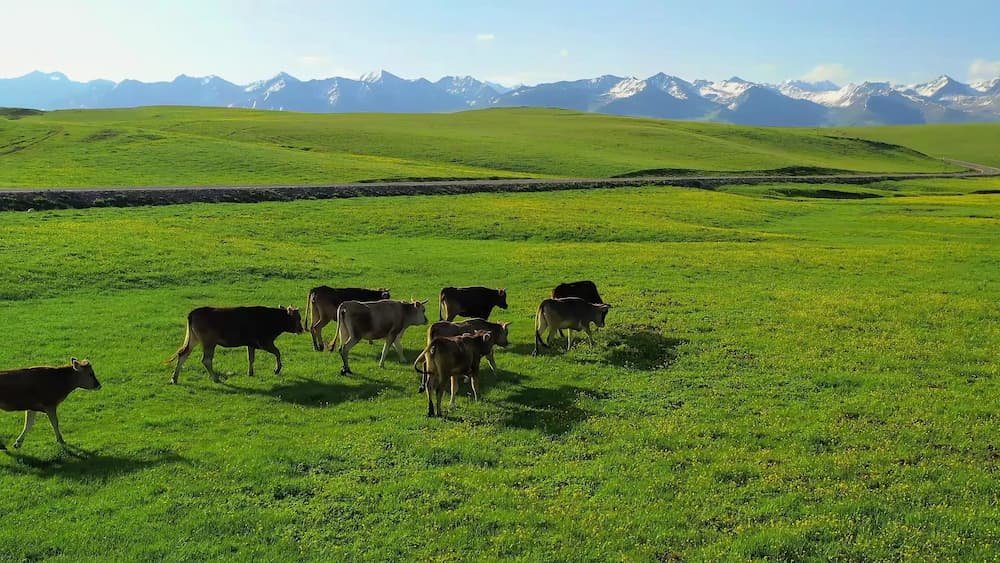
I packed a drone on my second Xinjiang trip and flew it exactly once, over an empty stretch of steppe, before a local official waved me down and explained, in gestures, that I was near a zone I shouldn’t have entered. No fine, just a firm lesson. Xinjiang is gorgeous from above, but it’s also one of the most restricted regions in China for aerial cameras, and the rules aren’t posted where you’d hope to find them.
If you’re thinking of bringing a drone, read this first. It’s the hard-won summary of what I’ve learned since that first awkward landing.
The Big Restricted Zones
Certain areas are effectively off-limits, and claiming ignorance won’t help if you’re caught.
Where Not to Launch
- Border regions: anywhere near the Pamirs, the Kyrgyz or Kazakh frontiers, and the Khunjerab corridor is sensitive. Drones there draw immediate attention.
- Military and government sites: bases, police posts, and clearly fenced compounds. No flying, no arguing.
- Airports: Urumqi Diwopu and every regional airport enforce a wide no-fly radius. Landing or taking off nearby is a fast way to meet security.
- Major infrastructure: dams, rail lines, and large bridges are often covered by silent restrictions.
When in doubt, don’t launch. The cost of a wrong guess in Xinjiang is a confiscated drone and a report, not a warning you can laugh off later.

The Permit Reality
Here’s the part that surprises travelers. China’s drone rules require registration for most aircraft, and Xinjiang adds layers on top.
- Register your drone with the national civil aviation system before you travel if you can; the app asks for the device’s serial and your ID.
- Foreign travelers often can’t complete the local registration as easily as residents, which already limits legal flying.
- Even registered, you need airspace approval for many flights, granted through an app that may not accept a foreign account smoothly.
- Sensitive regions simply won’t approve a permit, full stop. Don’t count on paperwork fixing that.
I’ve met travelers who spent weeks on applications and still couldn’t fly near Kashgar. The realistic answer is that casual tourist drone use in Xinjiang is rarely worth the risk.
Where You Might Get Away Clean
Some open, non-sensitive landscapes do allow flying, but only with care and local okay.
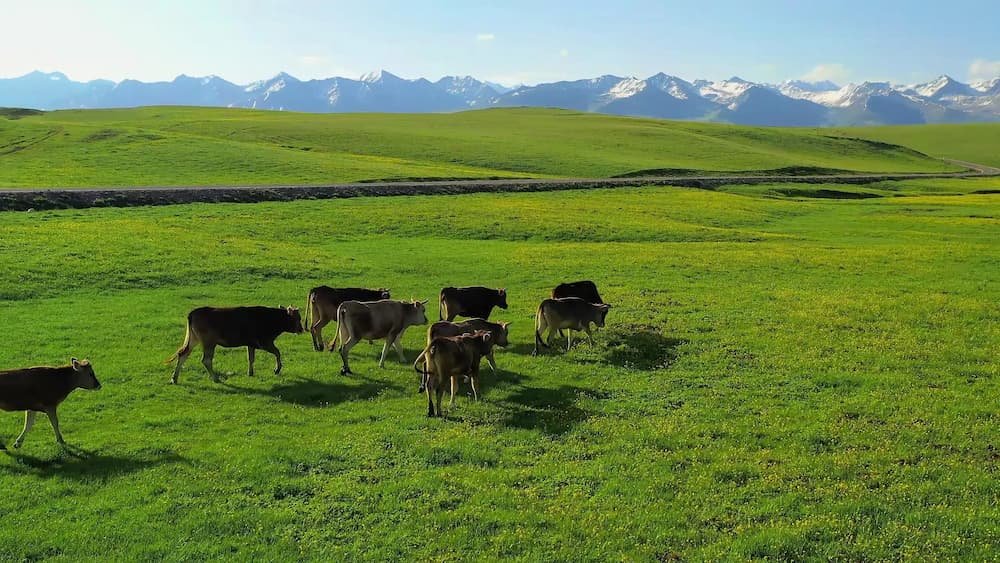
- Remote steppe or desert far from any town, border, or installation, with no people below.
- Private land where the owner explicitly agrees, and even then away from restricted airspace.
- Designated scenic spots that post a green light for drones, rare but worth checking at the ticket office.
Even then, I’d confirm with a local guide or the site staff before takeoff. The rule that saved me was asking a uniformed person “feasible?” with a smile and my drone in hand, not in the air.
Practical Tips if You Bring One
If you still choose to carry a drone, treat it as a controlled item.
- Keep it in your checked or declared baggage and be ready to show it at security.
- Don’t fly near crowds; a falling drone is a hazard and a fast way to get reported.
- Respect no-fly apps and any on-site signage, even if it’s only in Chinese.
- Pack it knowing you might not fly at all. Treat any legal shot as a bonus, not the plan.
- Consider a good zoom camera instead. From a viewpoint above Heavenly Lake I got frames just as striking without leaving the ground.
The best aerial-style photos I have from Xinjiang came from a high ridge I hiked, not a drone I launched. Boots beat props when the sky is closed.
Alternatives Worth Considering
If your goal is stunning imagery, you have options that don’t tangle with restrictions.
- Telephoto and wide lenses from elevated trails capture the scale of the mountains.
- Early light from a hotel balcony or a lookout gives that golden sweep.
- A local photographer or licensed operator can sometimes fly where you can’t, for a fee.
The Xinjiang travel tips veterans share about drones are blunt: bring it if you must, but expect to leave it in the bag. The landscape is generous to a patient ground-level eye.
What to Do If You’re Stopped
Even careful travelers get waved down, and how you respond matters more than the drone in your bag.
- Power it off and keep hands visible; don’t reach for the controller quickly.
- Be polite and show any registration you have on your phone without argument.
- Hand it over if asked; a calm traveler usually gets a warning and the device back.
- Note the location and, later, adjust your plan so it doesn’t happen twice.
The officials aren’t out to ruin your trip; they’re managing airspace they can’t explain to you in English. Cooperation beats confrontation every time.
Carrying Your Drone Through Airports
Getting the device into and out of the country is a separate matter from flying it.
- Pack it in checked luggage or carry-on as your airline directs; spare batteries must go in carry-on, never checked.
- Declare it if customs asks about electronics; an undeclared device raises needless questions.
- Expect X-ray questions about the battery count; know the number before you’re asked.
- Keep the receipt or a screenshot of the purchase in case value is questioned on exit.
I treat the drone as a liability I’m visiting with, not a toy. That mindset has kept every crossing smooth.
Practical FAQ
Can I just fly in the desert where no one is around? Technically safer, but border proximity and hidden restrictions still apply. Ask locally first.
Will they confiscate my drone? In restricted zones, yes, and you may not get it back. The risk is real.
Is registration mandatory? For most consumer drones, yes under national rules, and enforcement in Xinjiang is stricter than elsewhere.
Fly legal or don’t fly. Xinjiang’s beauty doesn’t need a drone to be unforgettable, and a confiscated craft is a souvenir you don’t want.