If you have 7 days in Xinjiang and it’s your first time, this is the route I’d give a friend. It covers the three places that actually matter for a first trip: Urumqi (the gateway), Turpan (the history), and Kashgar (the culture).
This guide is part of our complete Xinjiang Travel Guide series for foreign travelers.
I’ve done this route twice — once on my own, once with a group. The version below is the independent one, because that’s the one where you actually have time to wander.
The Route at a Glance
| Day | Place | Overnight |
|—–|——-|————|
| 1 | Arrive in Urumqi | Urumqi |
| 2 | Urumqi (International Bazaar + Museum) | Urumqi |
| 3 | Heavenly Lake (day trip) | Urumqi |
| 4 | High-speed train to Turpan | Turpan |
| 5 | Turpan (Flaming Mountains + Grape Valley) | Turpan |
| 6 | Fly/train to Kashgar | Kashgar |
| 7 | Kashgar Old City + Sunday Bazaar | Depart |
Total travel time: about 10 hours spread over 7 days. It’s not a lazy trip, but it’s not a marathon either.
Day 1: Arrive in Urumqi
Most international travelers fly into Urumqi from Beijing, Shanghai, or a connecting city in Central Asia. The airport is about 40 minutes from the city center by metro or taxi.
What to do: Not much. You’ll probably arrive tired from the travel. Check into your hotel, walk to the International Bazaar (it’s walkable from most city-center hotels), and have your first plate of Uyghur polo (抓饭, zhuafan).
Where to stay: Near People’s Square or the International Bazaar. It’s central, walkable, and has the best food options.
Jet lag note: Urumqi is 2 hours behind Beijing Time (China only has one timezone, but Xinjiang people live on “Xinjiang Time” — which is Beijing Time minus 2 hours). Your body will want to sleep at 10 PM, but the city is still alive at midnight. Lean into it.
Day 2: Urumqi City
Spend the day in Urumqi. The two must-sees are the International Bazaar and the Xinjiang Regional Museum.
Morning: International Bazaar
Go early (10 AM). The tour groups arrive by noon. You’ll want to wander the spice section (the smell alone is worth the visit), the dried fruit section (buy some for the rest of your trip), and the carpet section (even if you’re not buying, the patterns are extraordinary).
What to buy: Saffron (check it’s real — there are fakes), dried apricots from Turpan, and nuts. Bargain — the first price is always 30-40% high.
Afternoon: Xiniang Regional Museum
This is the best museum in Xinjiang. The mummy exhibit alone (the “Loulan Beauty” and others) is worth the visit. The museum is free, but you need to book a time slot in advance (through their WeChat mini-program or website). Bring your passport.
How long: 2-3 hours.
Evening: Food Street
Head to Xinhua South Road (新华南路) for dinner. This is where Urumqi people actually eat. Try the big plate chicken (大盘鸡, dapanji) at a place where you see locals lining up.
Day 3: Heavenly Lake (Day Trip)
Heavenly Lake is the most famous natural attraction near Urumqi, and it’s an easy day trip (1.5 hours by car each way).
Getting there: Hire a car with a driver (300-400 RMB round trip), or take a tour bus from the Nanjiao Bus Station.
What to do: Walk the boardwalk along the south shore (the best views of Bogda Peak), have lunch at one of the lakeside restaurants, and if you’re up for it, hike up to the temple (Fushou Guan) for a higher view.
When to go: Early. The tour buses start arriving around 10:30 AM. If you’re there by 8:30 AM, you’ll have the boardwalk mostly to yourself for an hour.
Note: Heavenly Lake is at 1,900 meters. That’s not high enough for altitude sickness for most people, but if you’ve just flown in from sea level, take it easy.
Day 4: Urumqi to Turpan (High-Speed Train)
Take the high-speed train from Urumqi to Turpan in the morning. The ride takes 1-1.5 hours, and the landscape changes from city to desert within 30 minutes of leaving Urumqi.
What to do in Turpan: Check into your hotel, then head to the Flaming Mountains in the late afternoon (the heat is unbearable at midday — Turpan is the hottest place in China, regularly hitting 45°C / 113°F in summer).
The Flaming Mountains are a photo stop — you look at the red sandstone ridges, take a photo, and move on. But in the late afternoon light, they actually look like they’re on fire.
Where to stay: Turpan city center. There are a few decent mid-range hotels, and the city is small enough to walk around.
Day 5: Turpan
Spend the day in Turpan. The three must-sees are the Flaming Mountains (if you didn’t do them yesterday evening), Grape Valley, and the Jiaohe Ruins.
Morning: Grape Valley
The Grape Valley is a lush oasis in the middle of the desert. It’s 70 RMB to enter, and it includes walking through vineyards, tasting grapes (in season: July-September), and watching a Uyghur folk performance (it’s touristy but enjoyable).
Afternoon: Jiaohe Ruins
Jiaohe was a city 2,000 years ago, and it’s one of the best-preserved ancient city sites in Xinjiang. It’s a 15-minute drive from Turpan, and you’ll need 2-3 hours to walk through the ruins (there’s a marked path).
The light is best in the late afternoon — the mud-brick ruins turn gold.
Evening: Turpan Night Market
Turpan has a night market that’s smaller than Kashgar’s but feels more local. Go for the food (kebabs, grapes, naan bread) and the atmosphere.
Day 6: Turpan to Kashgar
This is your longest travel day. You have two options:
Option A: Fly (Recommended)
There are direct flights from Turpan to Kashgar (1.5 hours). They’re not daily, so check the schedule in advance. Cost: 600-1,000 RMB.
Option B: Train
An overnight train from Turpan to Kashgar (12-15 hours). It’s an experience, but it’s not the most comfortable ride. Book a soft sleeper (软卧, ruanwo) if you go by train.
Arriving in Kashgar: Check into your hotel in the Old City. The boutique hotels in the Old City are genuinely nice — restored traditional houses with modern amenities.
Evening: Wander the Old City alleys at night. The lights are dim, the alleys are narrow, and it feels like a different century.
Day 7: Kashgar Old City + Sunday Bazaar
Your last day. Spend it in Kashgar.
Morning: Old City Wander
The Old City is a UNESCO World Heritage site, but it doesn’t feel like one — people live here, kids play in the alleys, old men sit on wooden beds in the doorways. Get lost in the alleys. That’s the point.
Don’t miss: The Id Kah Mosque (the largest in China — non-Muslims can visit outside prayer times), and the Abakh Khoja Mausoleum (the tile work is 300+ years old and still vibrant).
Afternoon: Sunday Bazaar (if it’s Sunday)
The Sunday Livestock Bazaar is one of the largest animal markets in Central Asia. It starts early (7 AM) and winds down by noon. If you’re in Kashgar on a Sunday, go. Even if you’re not buying a sheep, watching the trading is fascinating.
If it’s not Sunday, visit the Old City Bazaar instead — it’s smaller but open every day.
Evening: Depart
Kashgar has an airport with direct flights to Urumqi, Beijing, Shanghai, and some international cities. Fly out, or take the overnight train back to Urumqi if you have more time.
What This Route Doesn’t Include
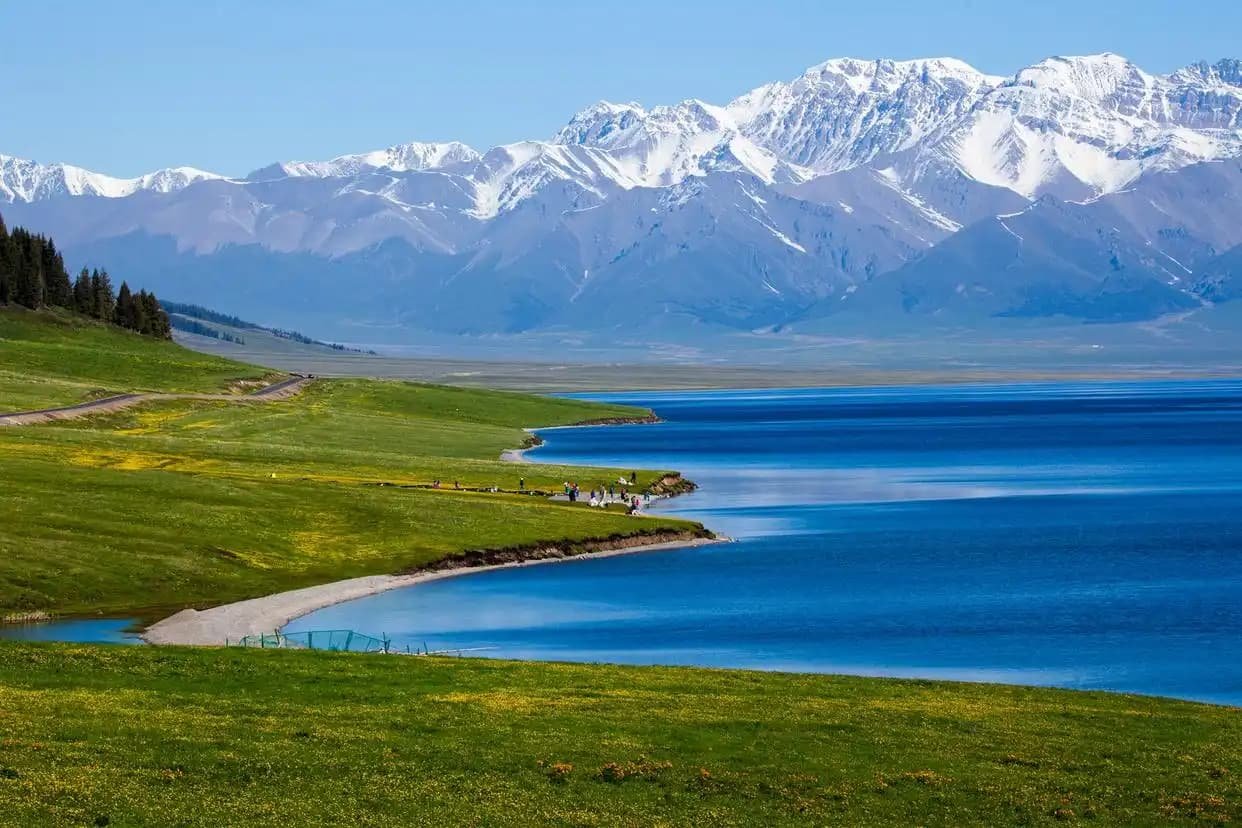
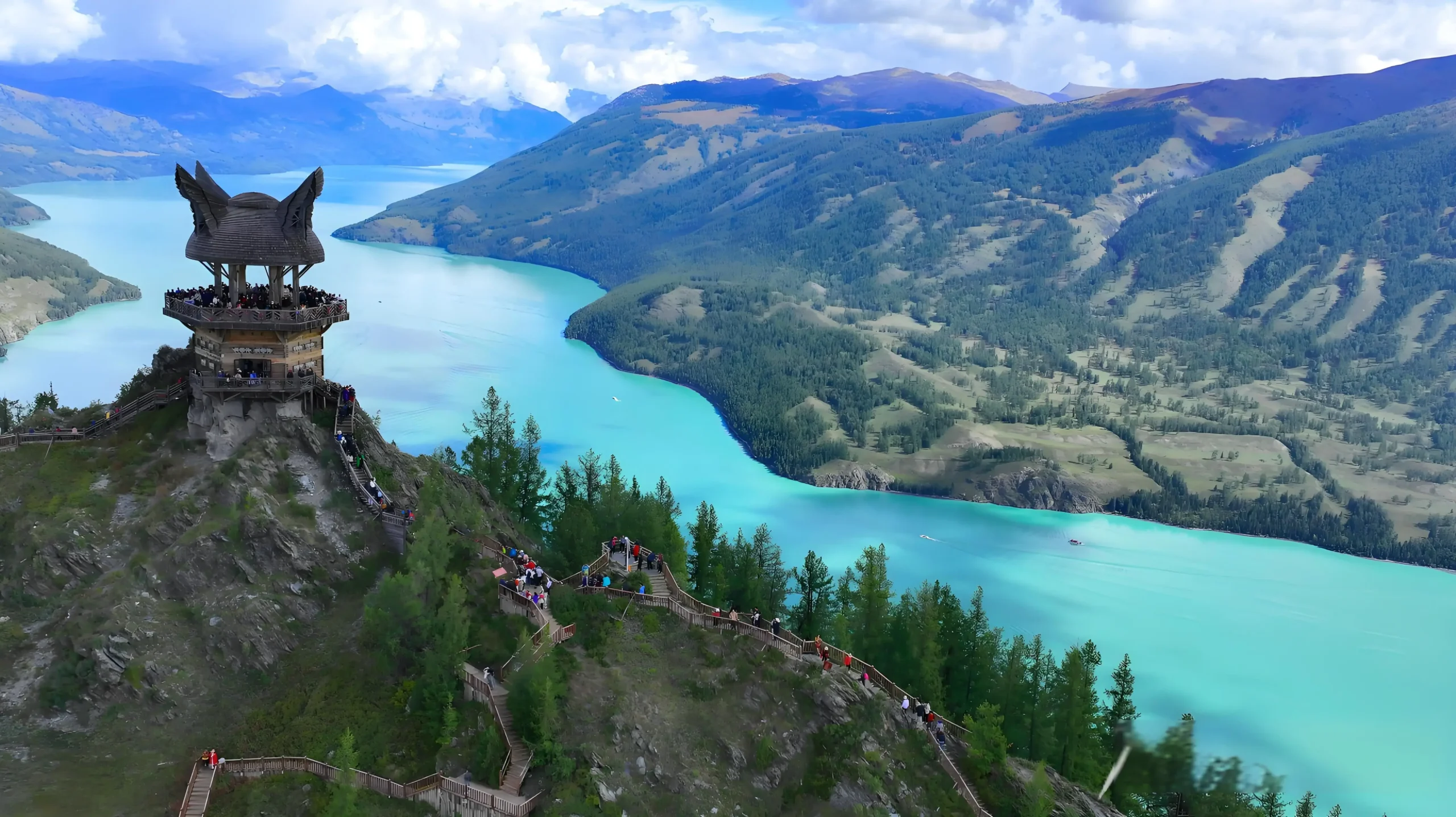
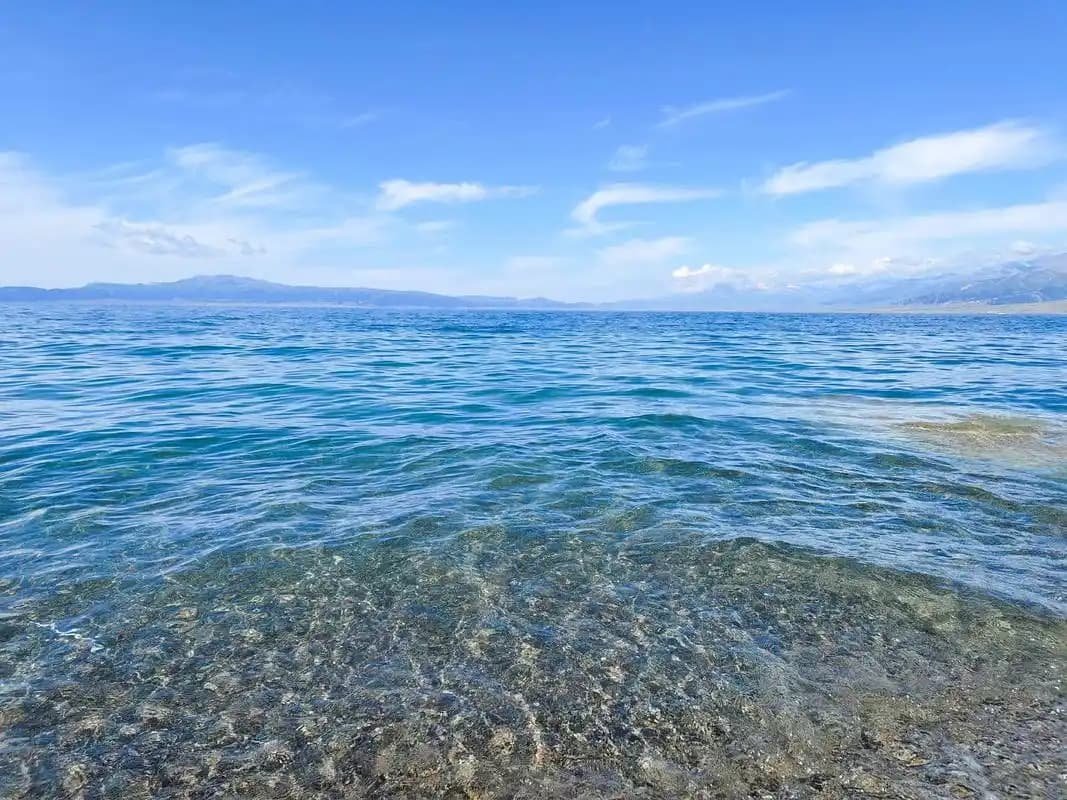
This 7-day route covers the classics, but it misses two of Xinjiang’s best places: Kanas Lake and Sayram Lake. Both are in northern Xinjiang, and both need at least 2-3 extra days.
If you have 10-12 days, add Kanas (3 days) or Sayram Lake + the Ili Valley (3 days). I’ve written separate itineraries for those — see our 10-day and 14-day routes.
Practical Tips for This Route
- Book trains and flights in advance, especially in summer. Xinjiang’s domestic tourism boom means things sell out.
- Carry your passport everywhere. You’ll need it for hotel check-in, and there are random security checks on the road between Urumqi and Kashgar.
- Bring cash. Some places in Turpan and Kashgar don’t take international cards.
- Download offline maps before you go. Google Maps doesn’t work reliably in Xinjiang. Maps.me works offline.
- Don’t overpack the days. Xinjiang is huge, and travel takes longer than you think. This 7-day route is already fairly packed — if you want to go slower, cut Turpan and spend more time in Kashgar.
The Bottom Line
Seven days in Xinjiang is enough to see the highlights, but it’s not enough to understand the region. You’ll leave wanting more — and that’s exactly how it should be.
—
*This itinerary was updated in June 2026 based on first-hand travel experience.*