

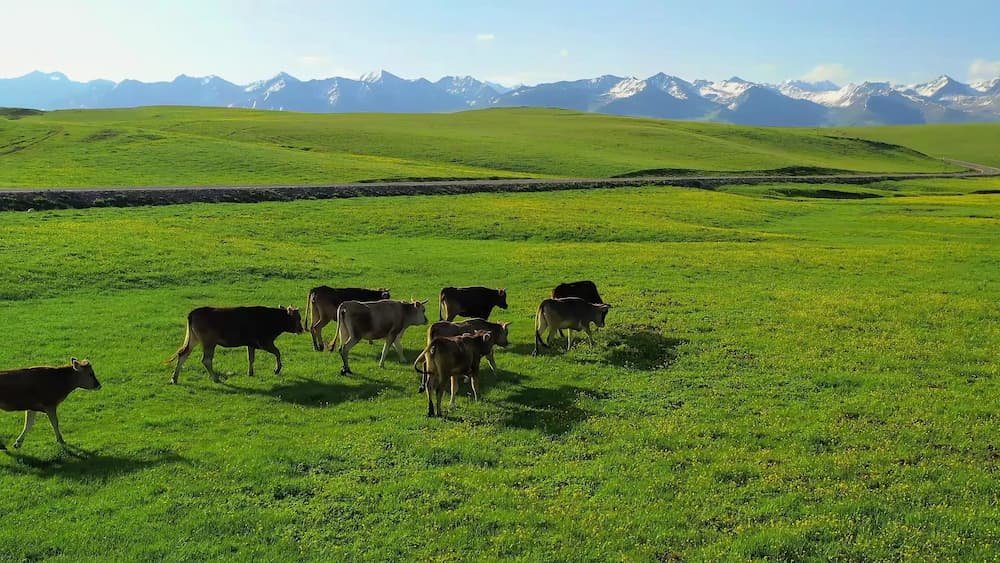
I used to think you needed two weeks to see the north of Xinjiang properly. Then a friend with only eight days of annual leave called me in a panic, and I had to prove otherwise. What I came up with surprised even me: a loop that hits the headline sights of Urumqi and the Altay prefecture without a single soul-crushing transfer day. The trick was simple — sleep near the sights instead of driving back to a hub.
Why this route works for short trips
Most people fly into Urumqi and try to bounce everywhere from there. That wastes half your trip on the road. This express route moves forward and loops back, so no leg is longer than about four hours of actual driving. I built it for a colleague who hates long bus days, and she came home with 600 photos and zero complaints about the seat.
The spine of the trip is the north’s three icons: a lake you can reach before lunch on day one, a fairy-tale forest lake up north, and a wooden village that smells of smoked milk. Everything else is a bonus you pick up along the way.

Day 1 — Urumqi and the plateau lake
Land in Urumqi in the morning, grab a rental, and head straight to Heavenly Lake. It’s about a 90-minute drive northeast into the Tianshan, and the payoff is immediate: a glacier-fed lake at 1,900 meters with spruce running down to the shore. I spent the afternoon walking the western boardwalk rather than taking the cable car, because the quiet side faces the mountain and almost nobody goes there.
Stay the night back in the city. The International Bazaar gets crowded, but the food stalls behind it — hand-pulled noodles at a plastic table — are where I ate my best meal that day.
Day 2 — Fly north, don’t drive north
Here’s the part that saves the trip. Instead of the 10-hour drive to Altay, take the one-hour flight from Urumqi to Altay city, then transfer to a car for the two-hour run to Kanas Lake. You lose a morning to airports but gain a full day at the lake. I’ve done the drive once; I’ll never do it again on a tight schedule.
Kanas Lake is the reason most people come north. The water really does change color through the day, and in October the birch behind it goes gold in a way that feels unfair to other landscapes. Book the shuttle bus up to the Guanyu Pavilion overlook — the climb is steep but the view down the S-shaped river is the postcard everyone remembers.
Day 3 — Hemu, the wooden village
Spend the morning at Kanas, then move 30 kilometers east to Hemu village. The drive is short, which is the whole point of this itinerary. Hemu is where the Tuva people live in spruce log cabins, and the smoke from breakfast fires hangs in the valley until the sun clears it. I rented a cabin, walked to the sunrise platform across the wooden bridge, and watched mist lift off the river. That hour alone justified the flight up.
Day 4 — Slow morning, then Burqin
Don’t rush out of Hemu. The light is best before nine, and the horses grazing on the hill behind the village make an easy half-day. In the afternoon, drive down to Burqin, a small river town about three hours away. It’s a gentle run on good pavement, and you arrive with energy to spare.
Burqin’s night market along the river is the move. Grilled fish from the nearby lake, cold beer, and a crowd that’s half local and half traveler. I sat there longer than planned.
Day 5 — The colorful cliffs at dusk
From Burqin, Kanas Lake is already behind you, but the real local gem is the Five-Colored Beach (五彩滩) just outside town. Go at sunset, not noon — the eroded rock glows orange and purple when the low light hits it, and the contrast with the green river poplars across the water is the shot. This is an easy two-hour visit, leaving the afternoon free to rest or visit the town museum.
Day 6 — Back toward Urumqi by air, then east
Fly Burqin (via Altay) back to Urumqi in the morning. In the afternoon, instead of collapsing in a hotel, drive two hours east to the fringe of the Duku Highway southern gateway at Hejing, or simply use the time to explore the city’s museums. I chose the latter and finally understood the region’s history at the Xinjiang Museum — the mummy hall alone is worth three hours.
Day 7 — A taste of the Duku before heading home
If the season allows (the Duku Highway is only open roughly June to September), drive the first stretch south toward the grasslands and turn back. You don’t need to cross the whole thing to feel its drama — the climb from desert floor to alpine meadow in under an hour is the highway’s signature. Otherwise, spend the day at Heavenly Lake again from a different trail, or visit the southern suburbs of the city.
Day 8 — Fly out
Buffer day. Flights from Urumqi are frequent, and having a spare morning means a delayed shuttle from the north won’t cost you your international connection.
What I’d change next time
I’d swap the Duku taste for a night in Koktokay if I came in autumn — the granite peaks there are quieter than the headline lakes. But honestly, this loop delivered more than I expected from eight days, and the short drives meant I actually remembered the places instead of the highways between them.