

I almost skipped Yining. On my first draft itinerary it was just a transfer point – fly in, grab a car, head straight to the grasslands. That changed when a driver in Urumqi told me, “Ghulja is where Xinjiang slows down and eats well.” He was right, and I ended up spending four nights there instead of one.
Yining sits at the heart of the Ili Valley, close to the Kazakh border, where the air feels softer and the trees grow taller than almost anywhere else in the region. Most people call it Yining on maps, but locals and older travelers still say Ghulja, and you’ll hear both. It’s the kind of place that doesn’t shout for attention, which is exactly why I liked it.
Getting to Yining and settling in
Flights from Urumqi to Yining take about an hour, and there’s also a comfortable high-speed rail connection if you’d rather watch the desert give way to green hills. I chose the train the second time, and seeing the landscape shift from grey scrub to poplar-lined fields was half the fun. The station is only twenty minutes from the center, and a cab into town costs next to nothing.
I based myself near the river. Mornings started with the sound of breezes moving through the tall trees, which is unusual in a part of the world where most cities feel dry and exposed. Yining is humid by Xinjiang standards, and that humidity is what keeps the valley so lush.
Hanren Street and the food I still think about
Everyone told me to go to Hanren Street, and they were not wrong. The name means “Street of the Han people,” but the reality is a crowded, happy mix of Uyghur, Han, Kazakh, Hui, and Russian-influenced cooking all crammed into a few blocks. I went expecting a quick snack and left three hours later having eaten my body weight in grilled meat.
What stuck with me:
- Grilled langman and chewy hand-pulled noodles at a stall where the cook flipped the dough like it owed him money.
- Samsa fresh from the tandyr oven, flaky and hot, stuffed with lamb and onion.
- Cold noodles with vinegar and garlic that cut through the richness of everything else.
- Ili-style ice cream, denser and less sweet than Western versions, sold from metal barrels on the corner.
The trick on Hanren Street is to follow the locals, not the brightest signs. The queues of tired workers at 9 p.m. are your best restaurant guide.
Kazanqi folk tourism district
After the food coma, I wandered into Kazanqi, the old Uyghur neighborhood painted in blues and greens. The name means “tin smith” in Persian, and the area keeps that artisan feel. I paid a family a small fee to see their courtyard home – a walled garden with grapevines overhead and a woven rug stretched across the floor. The grandmother offered me tea and apologized, in three languages, that her Mandarin was weak. We communicated fine with gestures and the shared belief that guests should be fed.
What I appreciated about Kazanqi is that it’s still lived-in. Unlike some “folk villages” that feel staged, people here actually reside in the blue houses, hang laundry, and wave from their gates. Hire a bicycle or an electric cart and let yourself get lost on the side lanes.
The Ili River bridge at dusk
The modern Ili River bridge is the city’s postcard, and I rolled my eyes at first – another lit bridge, I thought. Then I crossed it on foot at sunset and understood. The river runs wide and slow, the mountains behind it go purple, and the whole city seems to exhale. Locals walk here after dinner, kids on bikes, old men with thermoses of tea. I sat on a bench for an hour doing nothing, which is a rare and underrated travel activity.
If you have a second evening, walk the older pedestrian bridge a few hundred meters downstream. It’s quieter and the reflections on the water are better for photos.
Why Yining is the best base for the Ili grasslands
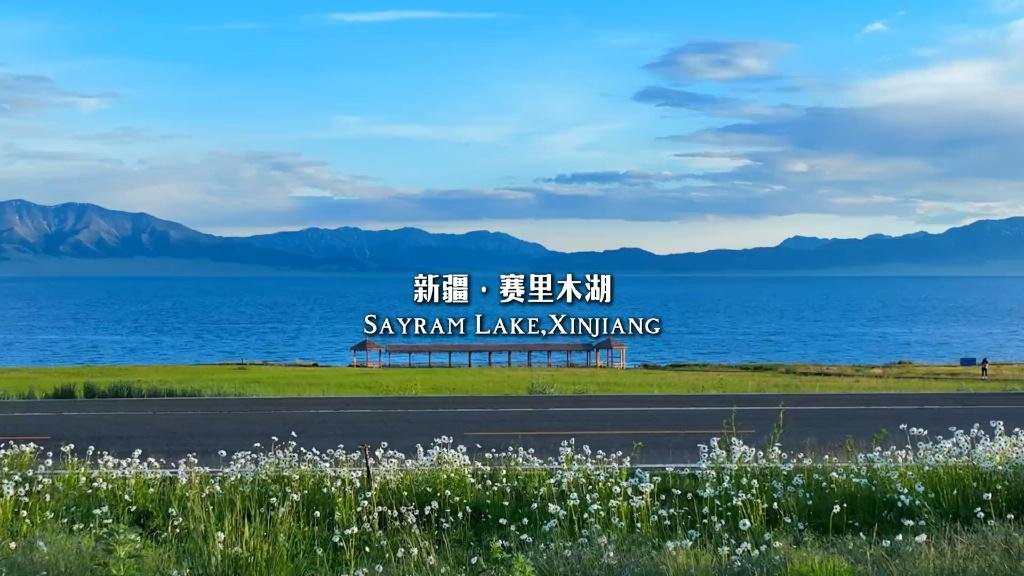
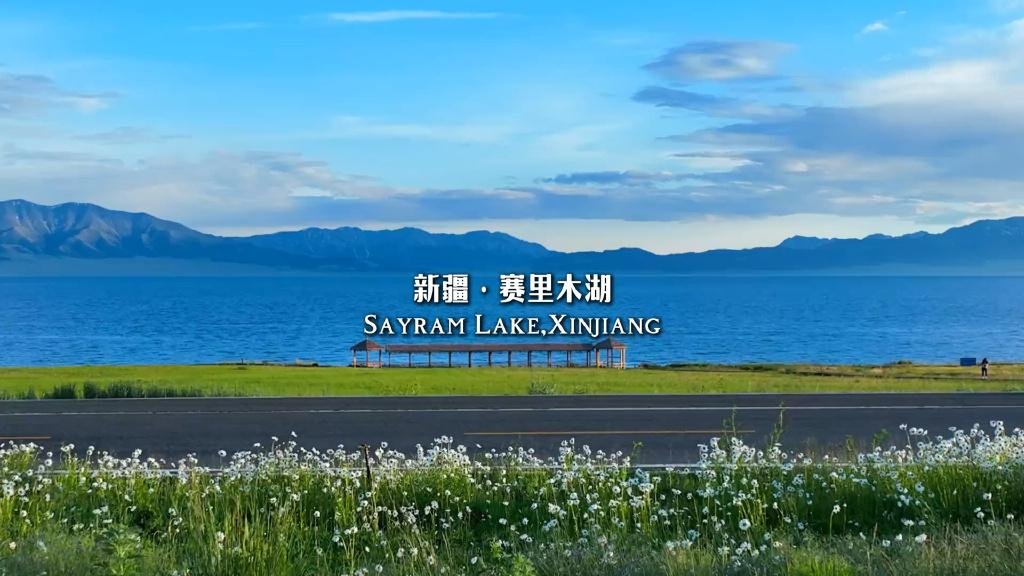
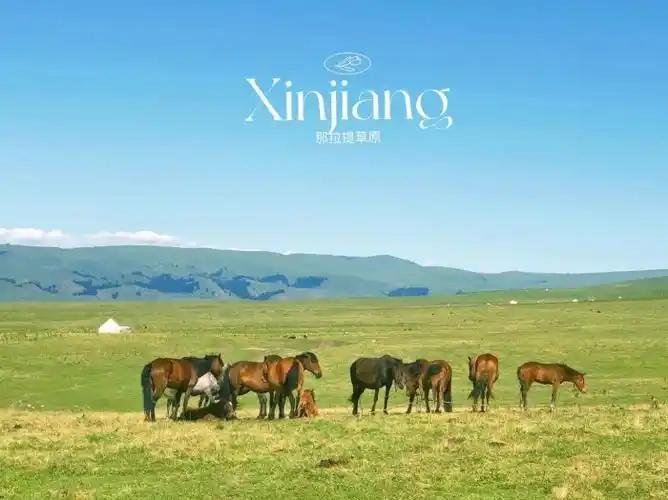
Here’s the part that matters for planning. The famous grasslands – Nalati, Kalajun, Kurdai – are all reachable as day trips or overnight loops from Yining. Renting a car here is cheaper and easier than starting from Urumqi, and the drive west toward Sayram Lake from Yining is one of the prettiest in the country. I used Yining as a hub: grasslands by day, hot showers and good meals by night, instead of camping rough every night.
A few practical notes from my own mistakes:
- Book grassland entry permits early in summer; the lots fill fast and the shuttle queues get long.
- Carry cash for the smaller village stalls, even though the city takes cards.
- Pack a light rain shell – the Ili Valley gets afternoon showers that don’t show up on a desert-weather forecast.
- Don’t overplan the days – the valley rewards slowness, and a missed grassland is just an excuse to come back.
A morning I didn’t expect
My favorite hour in Yining wasn’t at any attraction. It was 7 a.m., the bread ovens just firing up, the streets smelling of charcoal and yeast, and an old man feeding pigeons near the river. I bought a still-warm nang, broke it walking, and realized this was the Xinjiang I’d come for – not the postcard lake, but the ordinary, generous daily life.
If your route only allows one stop in the Ili Valley, make it Yining. The grasslands will still be there, but the city’s calm is the thing you’ll miss when you’re home.
Getting onward
From Yining you can loop north to Sayram Lake and the Bole corridor, or push deeper into the valley toward Zhaosu and Tekes. Either way, give the city at least two full days. I gave it four and left wanting more, which is the only review that counts.