

I’ll confess I almost booked a lakeside yurt and skipped Bole entirely. The plan was to sleep by Sayram Lake and drive off the next morning. A hotel clerk in Urumqi talked me into a night in Bole first, and it was one of those small detours that ended up richer than the headline stop.
Bole is the capital of the Bortala Mongol Autonomous Prefecture, tucked against the mountains near the Kazakh border. It’s the closest city to Sayram Lake – about an hour’s drive – and it makes a smarter base than the shore if you like hot showers, real restaurants, and a good night’s sleep before sunrise at the water.
Bole as the Sayram launch pad
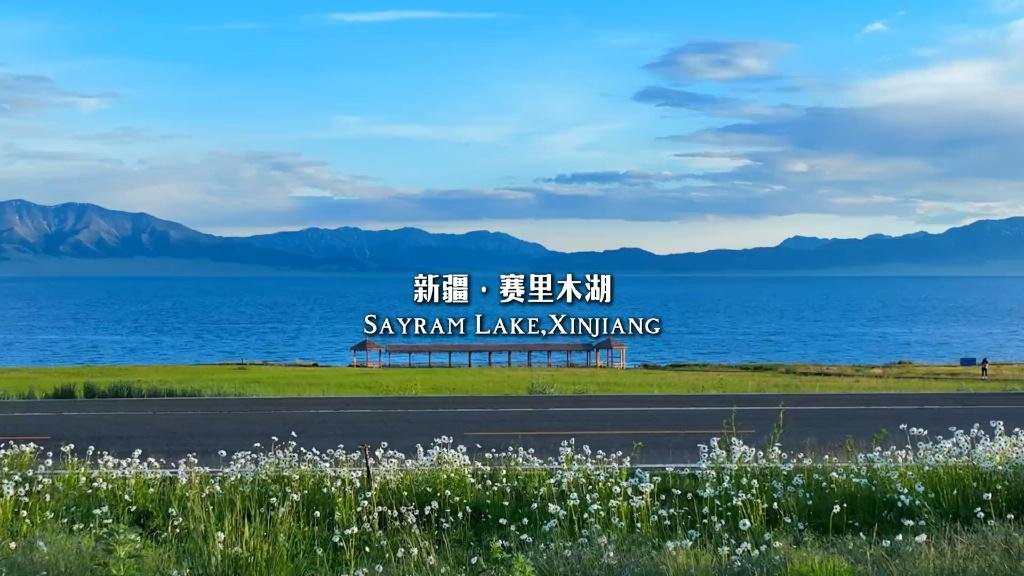
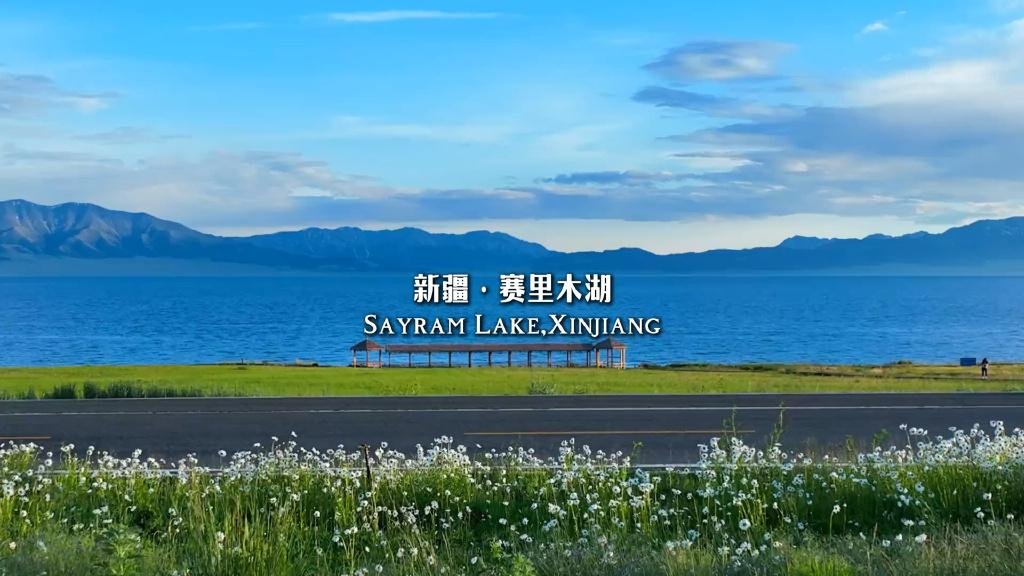
Sayram Lake is the largest alpine lake in Xinjiang, a deep cold blue ringed by snow peaks. It’s stunning, but the shoreline gets windy and the yurts are rustic. I used Bole as my bedroom and did the lake at the two best times: dawn and dusk. Driving up from Bole at 5 a.m. felt like a small adventure, and I had the eastern shore to myself as the sun lit the water.
My favorite shooting points, all easy from Bole:
- The east embankment at sunrise – the light hits the far ridge first and the lake goes from steel to sapphire.
- The north grassland curve – wildflowers in June, with the water as a flat blue line behind them.
- The highway bridge viewpoint on the south side, where the G30 sweeps past and you get the lake plus the road in one frame.
- The western inlet at dusk, where the wind drops and the surface goes mirror-still.
If you only have one window, pick dawn. The midday wind on Sayram can flatten the mood, and the early light is the lake’s real personality.
Guozi Valley – the weird rock park
South of Bole, Guozi Valley (怪石峪, “valley of strange rocks”) is a field of wind- and water-sculpted boulders scattered across a low hillside. I expected a quick photo and left an hour later, genuinely puzzled by how many shapes nature had managed – mushrooms, birds, a turtle mid-step. It’s not grand like the geoparks up north, but it’s fun and uncrowded, and the short walk is easy on tired legs.
Tips:
- Go mid-morning for the best light on the rock faces.
- Wear sturdy shoes; the ground is loose gravel.
- Bring water – there’s little shade.
I liked it precisely because it asked nothing of me. After days of big scenery, a small, strange park was a nice exhale.
Alashankou and the border feeling
A short hop from Bole is Alashankou (阿拉山口), one of China’s major rail ports to Central Asia and beyond. I’m not a logistics nerd, but standing at the edge of the port area watching cranes load containers bound for Kazakhstan gave me a real sense of Xinjiang as a doorway, not a dead end. There’s a small border-port exhibition hall and a wind-power field on the hills – the pass is one of the windiest places in the region, and the turbines spin even on still days elsewhere.
You can’t just wander across, obviously, but the town itself is a clean, odd little place where Mandarin, Uyghur, Kazakh, and Mongolian street signs sit side by side. I ate at a canteen where the cook was Mongolian and the cashier was Hui, and the menu had Russian borrow-words I didn’t recognize.
The cold-water fish
Here’s the part I didn’t expect to love: Bole’s cold-water fish. Sayram Lake and the nearby streams are too cold for normal carp, so the region farms trout and a local whitefish called borhu. I ordered a whole grilled trout at a small place near the bus station, and it was the cleanest-tasting fish I had inland – firm, mild, with none of the muddy note you sometimes get from warm ponds.
What to eat in Bole:
- Grilled Sayram trout with lemon and cumin – simple and perfect.
- Cold-water fish hotpot if you’re with a group; the broth stays clear and sweet.
- Mongolian milk tea at the morning market, salted and filling.
- Bortala-style lamb skewers, smaller and leaner than the south’s version.
The fish alone justifies a dinner in town before you head up to the lake.
The morning market
Before driving up to Sayram, I wandered Bole’s morning market, and it reset my expectations of border towns. Stalls of smoked fish, Mongolian cheese bricks, and piles of wild berries sat next to vendors calling out in three languages at once. I bought a round of hardened cheese and a handful of sour cherries and ate them in the car on the way to the lake – a breakfast no restaurant would have assembled. If you want to feel a place’s real mix, the market at 8 a.m. tells you more than any museum.
Fitting Bole into a western loop
Bole is the natural hinge between the Ili Valley and the north:
- From [Urumqi](/urumqi/): about five hours west; a good first night before Sayram.
- Toward Yining and the Ili grasslands: continue east after the lake.
- If you’re coming from [Kashgar](/kashgar/) on a long cross-region drive, Bole is where the green finally returns – a morale boost after the desert.
My honest take
Don’t treat Bole as a drive-through. Sleep there once. Do Sayram at dawn, eat trout at night, and poke into Guozi Valley when the light is soft. The lake gets all the photos, but Bole is the place that made those photos possible – and gave me a better dinner than the shore ever could.
I left thinking every Sayram visitor should do the same, and almost none do. That’s their loss and, if you read this, not yours.