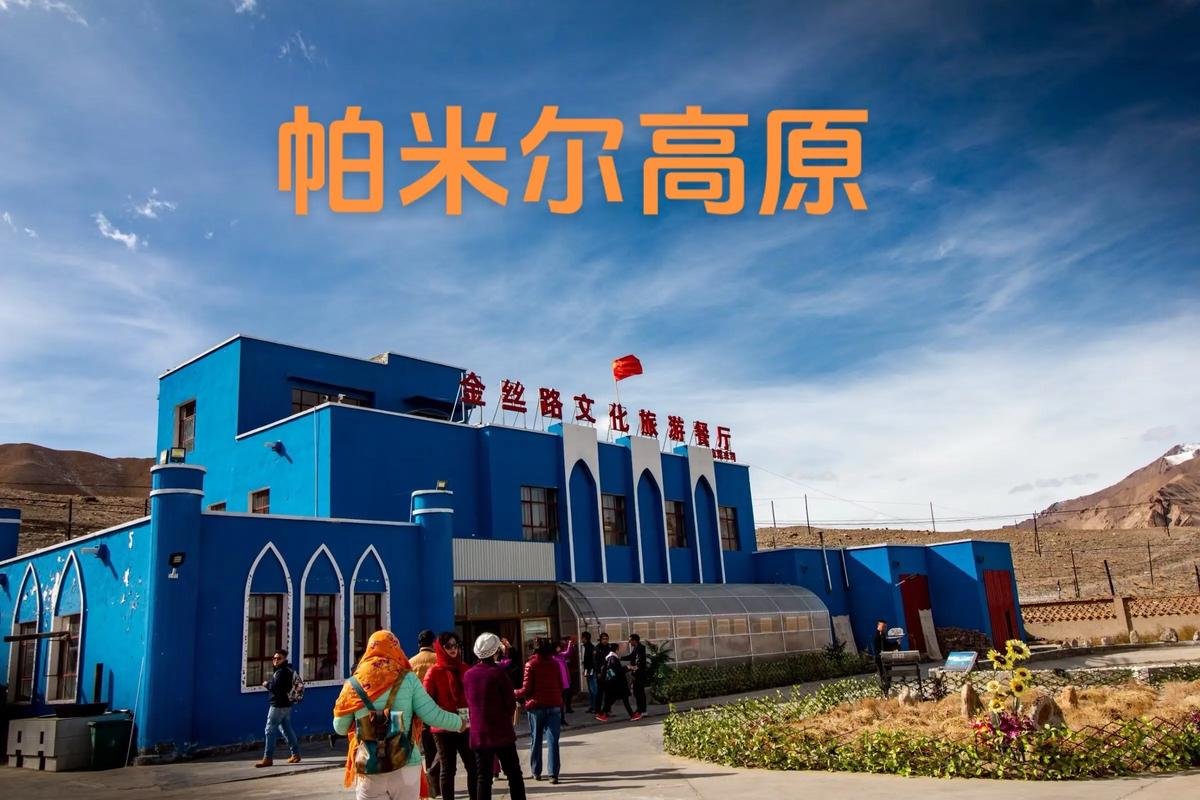
Tajik People & the Pamir Plateau
Tajik People & the Pamir Plateau – The Blue-Eyed Guardians of China’s Roof
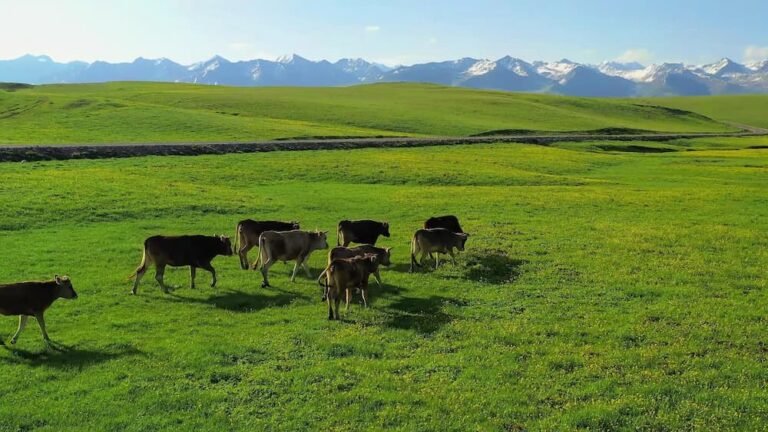
Drive south from Kashgar and the world climbs. The green oasis gives way to bare hills, the hills to sheer grey ramparts, and then you are on the Pamir Plateau – the “Roof of the World” – where the air turns thin and the horizon is nothing but snow peaks. This is home to the Tajiks of Xinjiang, China’s only Indo-European, predominantly Shi’a Muslim ethnic group, and one of its smallest. If you want to understand why the Pamir feels different from everywhere else in the region, you start with them.
Who the Tajiks of Xinjiang Are
The Tajiks of Xinjiang are not the same as the Tajiks of the Republic of Tajikistan, though they share ancestry and language roots. The Xinjiang Tajiks are almost entirely Sarikoli and Wakhi speakers, mountain peoples whose villages sit at 3,000 metres and above in Tashkurgan Tajik Autonomous County. They number around 50,000 – a tiny fraction of China’s population, but the undisputed majority in their high valley.
What strikes most visitors first is appearance: many have light skin, hazel or blue eyes, and high cheekbones – a living reminder that the Pamir was a crossroads of peoples long before it was a border. They are warm, hospitable, and proud of a culture that has survived at altitude for centuries.
Language and Faith
Sarikoli and Wakhi are Eastern Iranian languages, close cousins of the tongues spoken across the Hindu Kush. Most Tajiks also speak fluent Mandarin and Uyghur for daily business. Their faith is Ismaili Shi’a Islam, a gentle, music-and-poetry-friendly branch led spiritually by the Aga Khan – quite distinct from the Sunni practice common elsewhere in Xinjiang. You will not see overt religious display; what you will see is a culture built around family, hospitality, and the land.
The Eagle and the Dance
If there is one image that defines Tajik identity, it is the eagle. The Pamir is hawk territory, and the Tajiks have turned their admiration into the Eagle Dance (鹰舞) – a solo dance where the performer spreads arms like wings, dips, and circles to a vibrating tambur lute and daf frame drum. It is performed at weddings, at Nowruz, and increasingly for visitors at cultural shows in Tashkurgan. Watching a lean elder snap into a bird’s posture is genuinely unforgettable.
Nowruz – The Real Festival Season
The big date is Nowruz (March 21, the Persian New Year), shared with Iran and Central Asia. Houses are cleaned, a symbolic table of sprouts and seven items is laid out, and families visit for days of mutton, naan, and music. If your trip lands near late March, Tashkurgan during Nowruz is the single best cultural experience on the whole plateau. Our Xinjiang festivals guide maps the wider calendar.
What They Eat on the Roof
Pamir cuisine is hearty and built for cold. Expect naan cooked in stone ovens, polo (lamb and carrot rice), thick noodle soups, and dairy from yaks and sheep – butter tea and hard dried cheese travel well at altitude. Mutton is central; vegetables are scarce in winter. Meals are communal and you will be pressed to eat more than you want. Refusing the second helping is almost rude.
Where They Live – Tashkurgan and Beyond
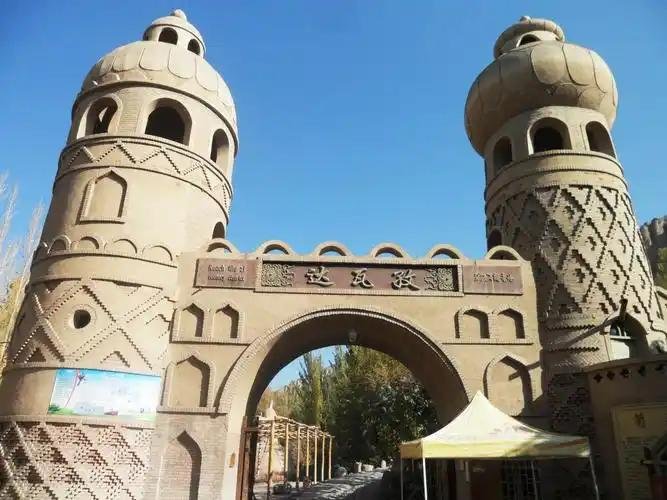
Tashkurgan (taxkorgan) town is the county seat and the natural base: a small, clean high-altitude town with a dramatic backdrop and a reconstructed stone fort (the “Tashkurgan” means “Stone Tower,” a Silk Road landmark mentioned by Ptolemy). From here the valleys branch to the Khunjerab Pass (the Pakistan border), the Karakoram Highway, and remote Wakhi villages. Our Pamir self-drive guide covers the drive in detail.
How to Visit Respectfully
The Tajiks are used to travellers but not to being photographed like exhibits. Ask before shooting portraits, accept tea when offered, and learn one phrase: “Rahmat” (thank you). Dress modestly – shoulders and knees covered – especially if you visit a home. A small gift (fruit, sweets) for a host goes a long way. The Kashgar guide is your launch point for the southbound journey.
Getting There and the Permit
Almost everyone reaches the Pamir from Kashgar, either on the Karakoram Highway (the KKH guide) or on a domestic road via G314. Foreign travellers need a border permit (边境通行证) to enter Tashkurgan County – arranged in Kashgar, usually through your hotel or tour operator. Plan this a day ahead; without it you will be turned back at the checkpoint. The permits and insurance guide explains the paperwork.
Best Time to Go
Late May to early October is the window – roads are open, the high passes are snow-free, and the grasslands briefly turn green. July and August are lush but busy; September gives golden light and thin crowds. Winter is brutal (regular –20 °C and closed passes) and not worth the risk for casual visitors. Match it against our month-by-month breakdown.
Is It Safe?
Yes. Tashkurgan is one of the calmest, most orderly corners of the region, and travellers consistently report feeling safe. The real risks are altitude and distance, not people. Read the safety overview and take the plateau’s elevation seriously – Tashkurgan sits at ~3,100 m.
Building It Into Your Route
The Pamir works best as the southern climax of a longer trip – Kashgar first, then two to three nights on the plateau, then either back north or onward toward the Khunjerab Pass. It pairs naturally with our itinerary plans and the north-vs-south comparison if you are deciding where to spend your days.
Frequently Asked Questions
Who are the Tajiks of Xinjiang?
They are a small, Indo-European, mainly Shi’a Muslim mountain people of Sarikoli and Wakhi heritage living in Tashkurgan County on the Pamir Plateau, distinct from the Tajiks of Tajikistan.
Do they speak Persian?
No, they speak Sarikoli and Wakhi, which are Eastern Iranian languages related to but not the same as Persian (Farsi). Most also speak Mandarin and Uyghur.
Can foreigners visit Tashkurgan?
Yes, but you need a border permit obtained in Kashgar. The plateau, the town, and the main roads are open to visitors with the right paperwork.
What is the Eagle Dance?
A solo Tajik dance that mimics the flight of an eagle, performed to lute and drum at weddings and Nowruz. It is the signature cultural expression of the Pamir.
When is the best time to visit?
Late May to early October, with September offering the best light and fewest crowds. Winter closes passes and brings extreme cold.
Written by Karl Huang – a Xinjiang-based travel writer who has spent more than one freezing but beautiful night in Tashkurgan.
Want the Pamir built into a smooth south-Xinjiang route? We handle permits and timings. Contact us here to plan it.