Is Xinjiang Safe to Visit in 2026? A Practical, Honest Answer
The Short Answer
For ordinary travelers, Xinjiang is generally safe to visit. The everyday risks are not personal security but distance, weather, altitude, and over-ambitious driving. Millions of domestic and some international tourists travel the region each year without incident. The practical concerns below matter far more than the headline question, and they are all manageable with basic prep — this is a standard China trip with extra logistics, not a dangerous one.
We say this plainly because the headline fears rarely match the on-the-ground reality, while the mundane risks (a closed pass, a sick passenger at altitude, a dead phone in a signal gap) are the things that actually shape trips. Prepare for those and you will be fine.
Solo and Female Travel
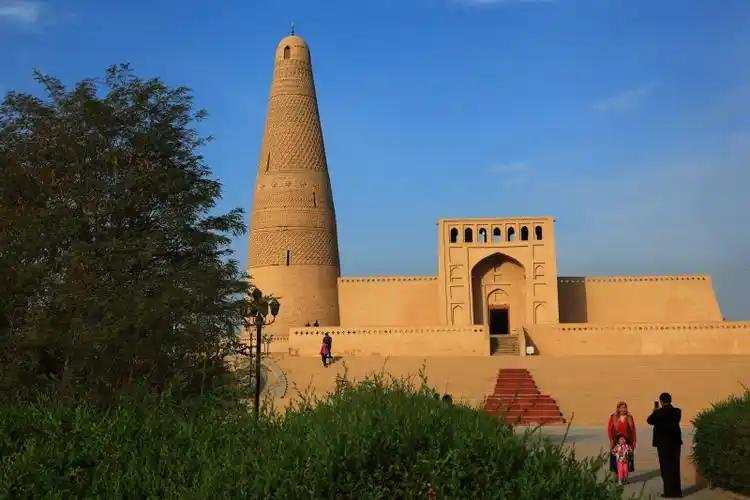
Solo travel is common and manageable. Buses, trains and domestic flights are safe; ride-hailing apps work in cities. In remote areas, a driver or small group removes the isolation risk. Female travelers report the usual big-city precautions suffice; the main annoyance is occasional attention in bazaars, not danger. Stick to lit areas at night and you will be fine, and the bazaars are busy and friendly by day.
The bazaars and guesthouses are family-oriented and welcoming; solo women routinely travel the northern loop and the >Kashgar–Pamir route without issue. As anywhere, keep valuables close in crowded markets and avoid accepting unsolicited ‘tour guide’ offers from touts.
Altitude and Health
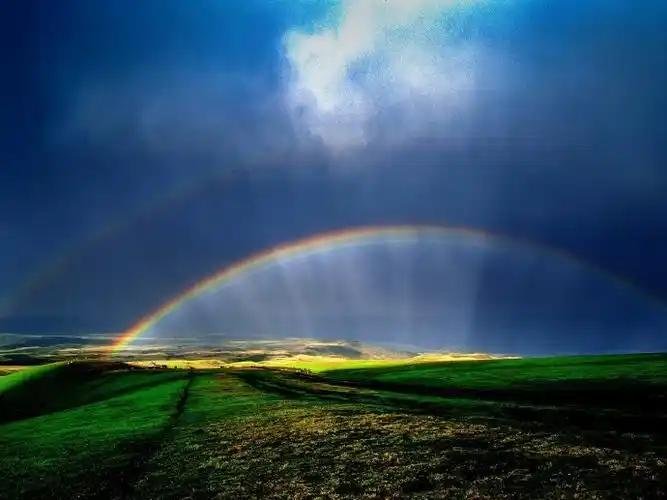
The Pamir Plateau, Nalati, Bayinbuluk and other highlands sit above 2,000–3,600 m. Even fit travelers can feel altitude: rest on arrival, hydrate, skip heavy alcohol the first night, and carry a small oxygen canister from any Urumqi pharmacy — they cost almost nothing and settle mild symptoms fast. Tashkurgan in particular deserves a rest day before you push higher.
Strong UV means real sunburn risk even when it feels cool; sunscreen, a hat, and sunglasses are not optional at altitude, and lip balm prevents the cracking that catches first-timers off guard. The combination of dry air and altitude dehydrates you faster than you notice.
Scams, Money, and Connectivity
Scams are no more common than elsewhere in China; the usual taxi-meter and market-haggling cautions apply, and the bazaars are generally honest if you agree a price first. Carry some cash — foreign cards fail in remote bazaars and small guesthouses, and a dead payment app in a signal gap is a real inconvenience, not a danger.
Set up a travel VPN and a local SIM before arrival, since many international services are blocked on the mainland, and download offline maps for the long drives where signal drops. The connectivity gaps are the practical risk, not a security one — offline maps turn them into a non-issue.
Photography and Cultural Etiquette
Ask before photographing people, especially at religious sites and in the Old City — a smile and a gesture usually gets a yes, and the portraits are often the trip’s best images. Dress modestly at mosques (shoulders covered, no shorts). During Ramadan and Eid, respect fasting hours in public. A little courtesy in the bazaars goes a long way and is appreciated — Xinjiang is hospitable when you meet it halfway.
The rooftop cafes in Kashgar and the tea houses are built for photographers; buy a tea and shoot as long as you like. The etiquette is simple: people first, then the lens, and a shared smile covers most language gaps.
The Real Risk List (and How to Beat It)
In priority order: (1) distance and bad driving — beat it with buffer days and a rested driver; (2) altitude — beat it with a rest day and oxygen; (3) weather and road closures — beat it by checking the Duku and passes before you commit; (4) connectivity gaps — beat it with offline maps and a local SIM. None of these is a security issue, and all are avoidable with the prep above.
Notice what is not on the list: personal security. That is the honest summary — the things that actually disrupt Xinjiang trips are logistical, and they are the ones worth your attention when you pack and plan.
Insurance and Emergencies
Travel insurance is strongly recommended, especially for the Pamir and remote loops, where evacuation for altitude sickness or a vehicle breakdown is costly without cover. Keep digital and paper copies of your passport, permit, and insurance separate from the originals. Major cities have good hospitals; deep rural areas do not, so carry a basic kit and any personal medication in full.
Save the local emergency numbers and your embassy contact before you go, and tell someone your route when heading into the Pamir or remote grasslands. These are the unglamorous steps that turn a bad day into a manageable one.
Frequently Asked Questions
Is Xinjiang safe for foreign tourists?
Yes. The region has heavy security presence (ID checks at transport hubs, bag scans) which actually makes tourist areas very safe. Petty crime is low. The main practical issues are distance, weather, and language barriers, not personal safety.
What should I expect at checkpoints?
Carry your passport at all times. Expect ID scans when entering hotels, boarding trains/flights, and at some road checkpoints in southern Xinjiang. It is routine, not targeted. Allow extra time at hubs.
Is it safe to drink the tap water or eat the food?
Boil or bottle water. The food is safe and delicious – just ease into the chili and lamb if your stomach is sensitive. Street food at night markets is generally hygienic; our food guide covers what to try first.