
Off-Season Xinjiang – Fewer Crowds, Lower Prices
The Short Version
I almost didn’t include Off on my first Xinjiang trip. Big mistake. Here’s why it ended up being one of the stops I tell everyone about.
Xinjiang doesn’t have a single “best” month — it has several, depending on what you came for. Here’s the honest rundown.
Month-by-Month
- Spring (Apr–May): Apricot blossoms in Ili, fewer crowds, cool and green.
- Summer (Jun–Aug): Lush grasslands, long daylight (sunset ~10 PM), peak crowds and prices.
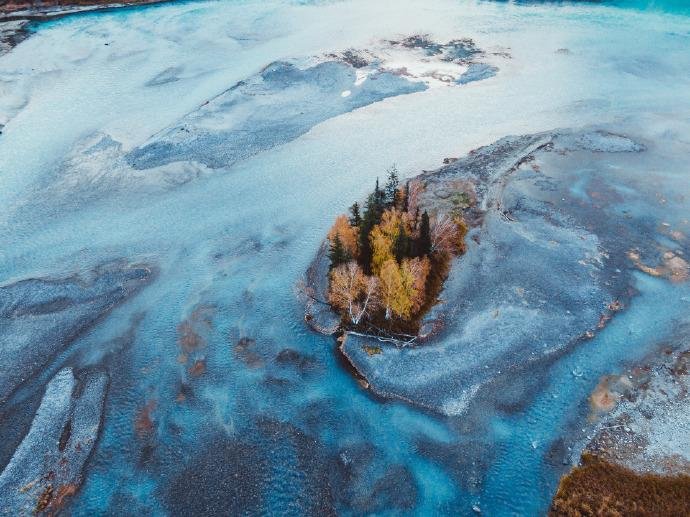
- Autumn (Sep–Oct): The famous one — golden birch at Kanas Lake, blue skies, harvest fruit.
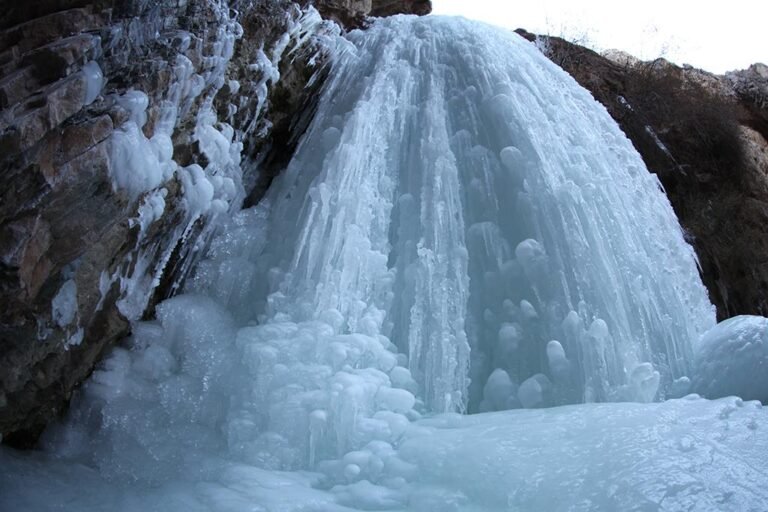
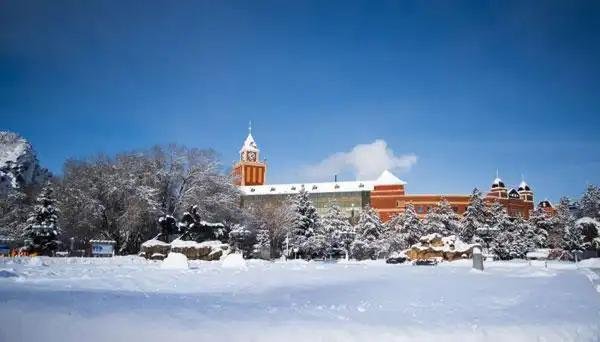
- Winter (Nov–Mar): Empty, cheap, magical in snow; many facilities close.
What to Pack
Layers, always. Mornings can be near-freezing even in summer. Our best time to visit Xinjiang packing section breaks it down by season.
Crowd & Price Notes
Avoid the first week of October and the Spring Festival week. Everything else is manageable if you book early.
A Few Honest Tips
- Learn three words: hello (yakhshi), thank you (rahmet), delicious (tam). They open more doors than any app.
- Pack for two seasons. Xinjiang’s day-to-night temperature swing is no joke — mornings near 10°C, afternoons near 30°C.
- Go early. The single best upgrade to any Xinjiang trip is being at the gate when it opens.
Planning Around the Weather
For current entry formalities and transport links, the official China travel site is the one I check before a long-haul trip.
Xinjiang’s size means “the weather” is really several weathers at once. While Urumqi bakes, the mountains above Kanas Lake can be 15°C colder. Pack as if you’re visiting two climates — because you are.
The official China travel portal is the fastest way to double-check pass and border requirements before you book, and China Daily Travel covers the seasonal road closures that catch most visitors out. Neither replaces talking to your hotel three days out.
The spring apricot blossom in Ili and the autumn birch at Kanas are the two windows people build entire trips around, and both are short. The blossoms last about two weeks; the peak birch color maybe ten days. If those matter to you, book transport and beds before anything else.
Shoulder seasons (late April, early June, mid-October) are the sweet spot most travelers miss — decent weather, open facilities, a fraction of the crowds. Our best time to visit Xinjiang guide lays out the trade-offs month by month so you can pick your own.
What Closes When the Season Turns
Off-season Xinjiang is quieter, but it is not a frozen museum. Some things shut, and knowing which ones saves you a wasted day. The mountain passes go first: the Duku Highway, the dramatic shortcut linking northern routes through the Tianshan, is gated from late October until it reopens in early June. Snow and ice decide it, not the calendar.
Next are the shuttle buses. Scenic areas shorten their shuttle runs, and a handful of high-altitude sections — winter sections of the Kanas lake area and the Tianchi road above Urumqi among them — close outright for the coldest months. The gate stays open; the uphill part does not. Always call the scenic-area number or ask your hotel the morning you plan to go. Hotels in the big cities run at reduced staff through winter, so the desk is slower to answer but unusually helpful.
Restaurants are the quiet casualty. Family-run spots in small towns close for the cold season and reopen in spring, which means the excellent little place near your guesthouse may simply be shut. In Urumqi and Kashgar the choices are there — just check opening hours, because a winter lunch service often ends at three in the afternoon.
How to Get Around Off-Season
Flights thin out first. Urumqi keeps its connections, but the seasonal direct flights to smaller fields such as Kanas and Kashgar shrink to a couple of runs a week, and occasionally none. Check the schedule before you commit to a day; a missed afternoon flight strands you in Urumqi for the night.
The rail network barely touches winter. The overnight Urumqi–Kashgar sleeper is the single most reliable way to cover 1,200 km, and the carriages are heated. For everywhere else, a private driver with winter tyres is worth the money: buses along the northern loop reduce their timetables, and the Pamir road to Tashkurgan can sit behind snow for days.
One honest note on proportions: distances here are brutally long. A “short” transfer between two viewpoints can be four hours, and in winter that is four hours of unlit mountain road. Build the day around the driving rather than packing two stops into it — the Xinjiang itinerary templates that work in summer stop working in January, so re-plan your legs before you book the car.
What the Off Season Really Costs You
Two things get worse and one gets much better. Daylight shortens sharply — in December the light goes by around five in the afternoon, so an 8 am start buys you a full working day and a long blue hour over the snow. Cold is the real cost: mornings regularly sit below −15°C in the northern basin, and the wind at Kanas Lake makes it feel colder than the number says.
What you get in return is value and space. Rooms drop 40–60 per cent below July rates, some scenic tickets run seasonal discounts, and the same Kanas Lake that you queued for in October you can walk for ten minutes without seeing another person. Pair it with the best time to visit Xinjiang breakdown and you can build a trip that mixes one hard cold week with two perfect ones — which is, honestly, the trip locals would take themselves.
Quick Reference
| | |
|—|—|
| Best season | Spring & autumn for most; our best time to visit Xinjiang guide has the month-by-month.
| Daily budget | ¥150–600 depending on style and city.
| Crowd level | Moderate — arrive at opening to beat tour groups.
| Permit needed? | Only for >Kashgar→Tashkurgan border areas; see Xinjiang visa rules.