This guide is part of our complete Xinjiang Travel Guide series.
If you’re planning a trip to China and trying to decide whether to include Xinjiang, you’ve probably read that it’s “the most beautiful region in China” and “totally different from the rest of the country.” Both are true. But that doesn’t necessarily mean it’s worth it for you.
This is an honest assessment — the pros, the cons, and who should (and shouldn’t) go.
The Short Answer
Yes, Xinjiang is worth visiting — if you have at least 7 days, you’re comfortable with some logistical hassle, and you’re genuinely interested in landscapes and cultures that are different from anywhere else in China.
If you have less than 7 days, or you’re only interested in China’s cities and historical sites, skip it. The travel time alone will eat up too much of your trip.
What Makes Xinjiang Different
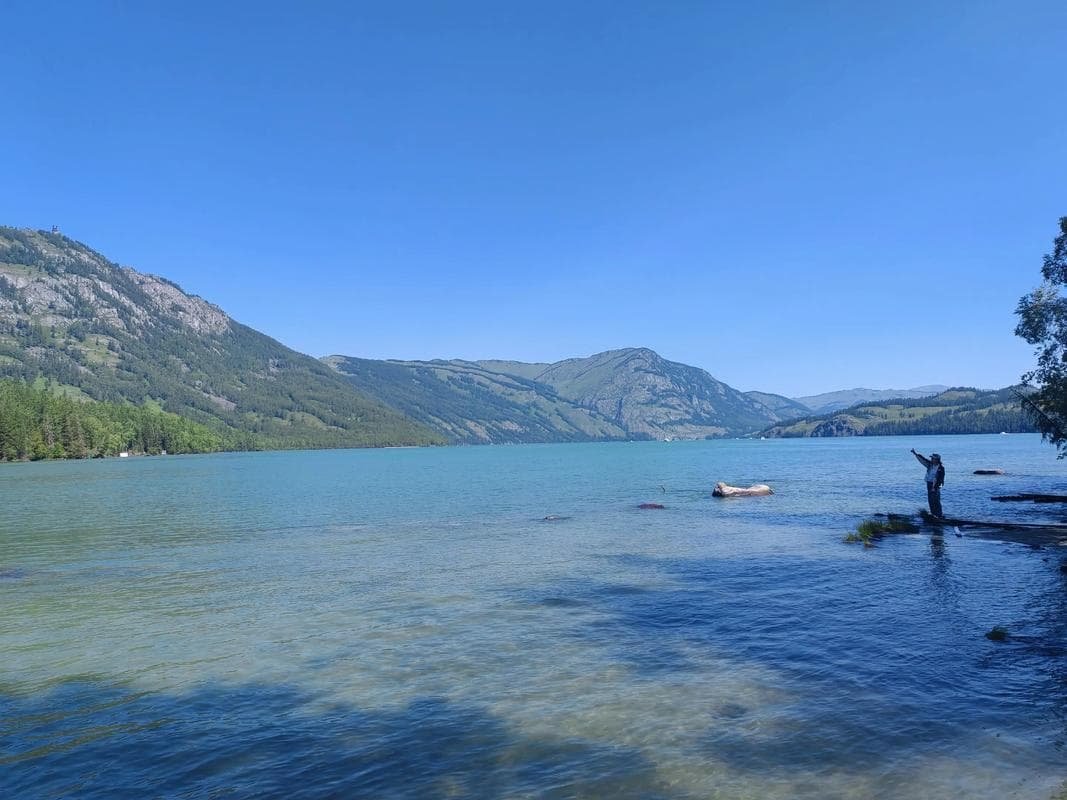
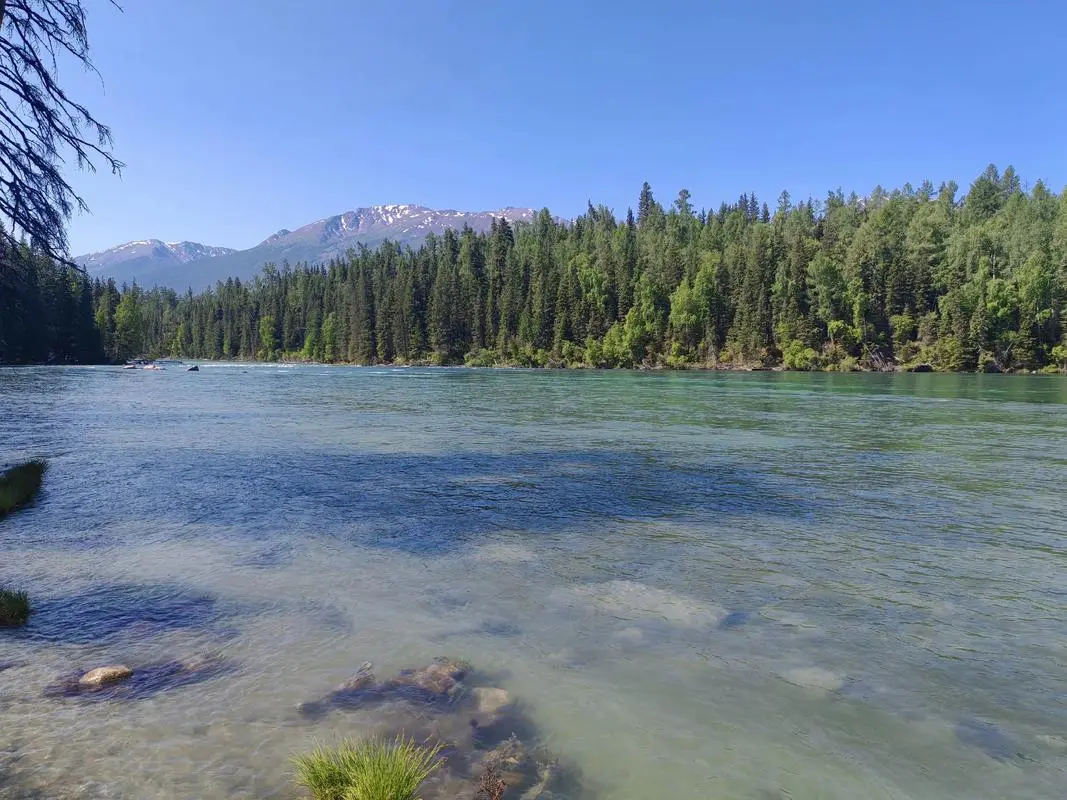
The first thing you’ll notice is the landscape. Xinjiang is huge — it covers one-sixth of China’s territory — and the geography changes dramatically every few hundred kilometers. You can go from snow-capped mountains to a red-rock desert to a lush grape valley in a single day of driving.
The second thing is the culture. Xinjiang’s Uyghur, Kazakh, and Kyrgyz communities have their own languages, food, and traditions. The food alone is worth the trip — it has nothing to do with what most people think of as “Chinese food.”
The third thing is the scale. Distances in Xinjiang are massive. The drive from Urumqi to Kashgar takes 15 hours. You don’t “pop over” to the next city. You commit to a route and stick with it.
The Downsides (Be Honest)
It requires more planning than most China trips. You need to think about permits, hotel restrictions for foreigners, and transportation between cities. It’s not hard, but it’s not as straightforward as traveling in Beijing or Shanghai.
English is rare. Outside Urumqi, you’ll need a translation app. Restaurant menus, bus schedules, and hotel check-in forms are all in Chinese.
It’s not cheap. Flights to Xinjiang from Beijing or Shanghai cost 1,500-3,000 RMB round trip. Once you’re there, hiring a car with a driver costs 300-500 RMB per day. A 10-day trip for one person can easily cost 8,000-12,000 RMB.
The weather is extreme. In summer, Turpan hits 45°C. In winter, Kashgar drops to -20°C. The best time to visit is May-June or September-October, but even then, the temperature swing between day and night can be 20°C.
Who Should Go
Go if:
- You’ve already seen the “classic” China (Beijing, Xi’an, Shanghai) and want something different.
- You’re interested in landscapes — mountains, deserts, lakes — and don’t mind long drives to see them.
- You like food, and you’re excited about trying cuisines that have nothing to do with Cantonese or Sichuan food.
- You’re comfortable with some uncertainty — buses that don’t have English signs, hotels that aren’t on international booking platforms, etc.
Skip it if:
- You have less than 7 days in China total. Spend that time in Beijing and Xi’an instead.
- You need everything to be easy and predictable. Xinjiang isn’t that.
- You’re only interested in urban China — skyscrapers, high-speed trains, modern malls. Xinjiang’s cities are small, and the appeal is what’s outside the cities.
My Recommendation
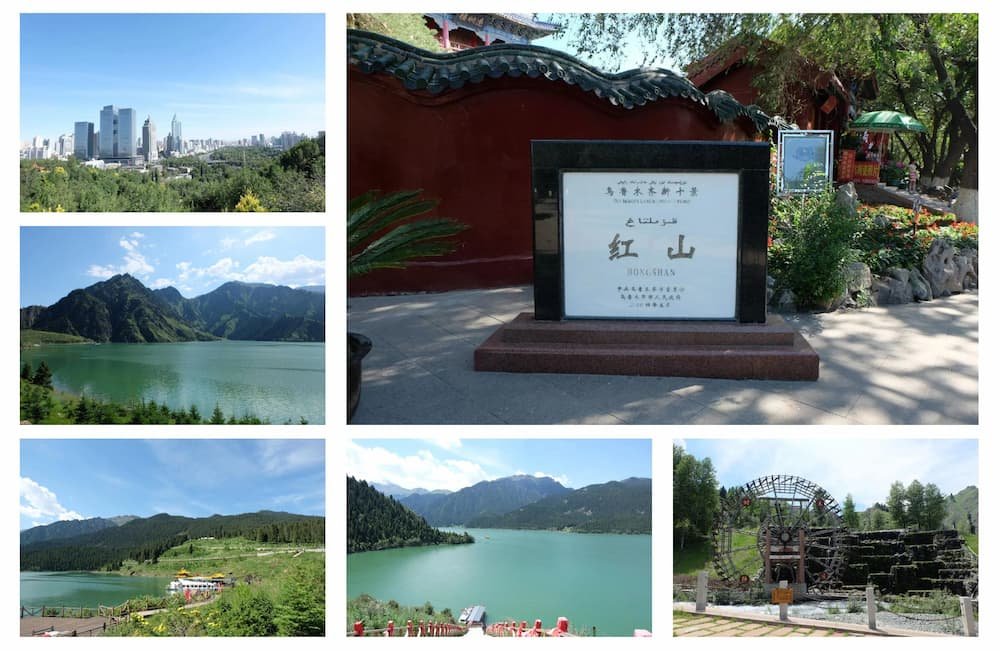
If you’re on the fence, here’s what I’d do: plan a 7-day trip that covers Urumqi, Heavenly Lake, Turpan, and Kashgar. That’s enough to give you a sense of what Xinjiang is like without requiring a huge time commitment.
If you love it (and most people do), you’ll come back for the longer routes — Kanas Lake, the Pamir Plateau, the Taklamakan Desert.
If you decide it’s not for you, at least you’ll know from experience, not from reading about it.
Practical Next Steps
If you’ve decided to go, start with our visa and permit guide to make sure you have the paperwork sorted. Then read our 7-day itinerary to get a sense of what a first trip looks like.
And if you have specific questions about whether Xinjiang is right for you, get in touch. I’m happy to help you figure it out.