Xinjiang is a landscape photographer’s dream. With its surreal rainbow mountains, infinite deserts, mirror-like alpine lakes, and pastoral grasslands, the region offers an ever-changing canvas of colors and textures. But capturing that magic requires more than just showing up with a camera—it takes timing, location knowledge, and a bit of luck with the weather.
Best Photography Seasons in Xinjiang
Each season in Xinjiang offers a completely different photographic palette. Spring (April–May) brings apricot blossoms in Kashgar and lush green valleys. Summer (June–August) is prime time for alpine lakes and grasslands, though expect more tourists in hotspots like Sayram Lake. Autumn (September–October) is widely considered the best season—the best time to visit Xinjiang for photographers, with Kanas turning golden and the Hemu grassland glowing at sunrise. Winter (November–March) transforms the region into a minimalist wonderland of snow and ice, perfect for moody, high-contrast shots.
Top Photography Spots by Region
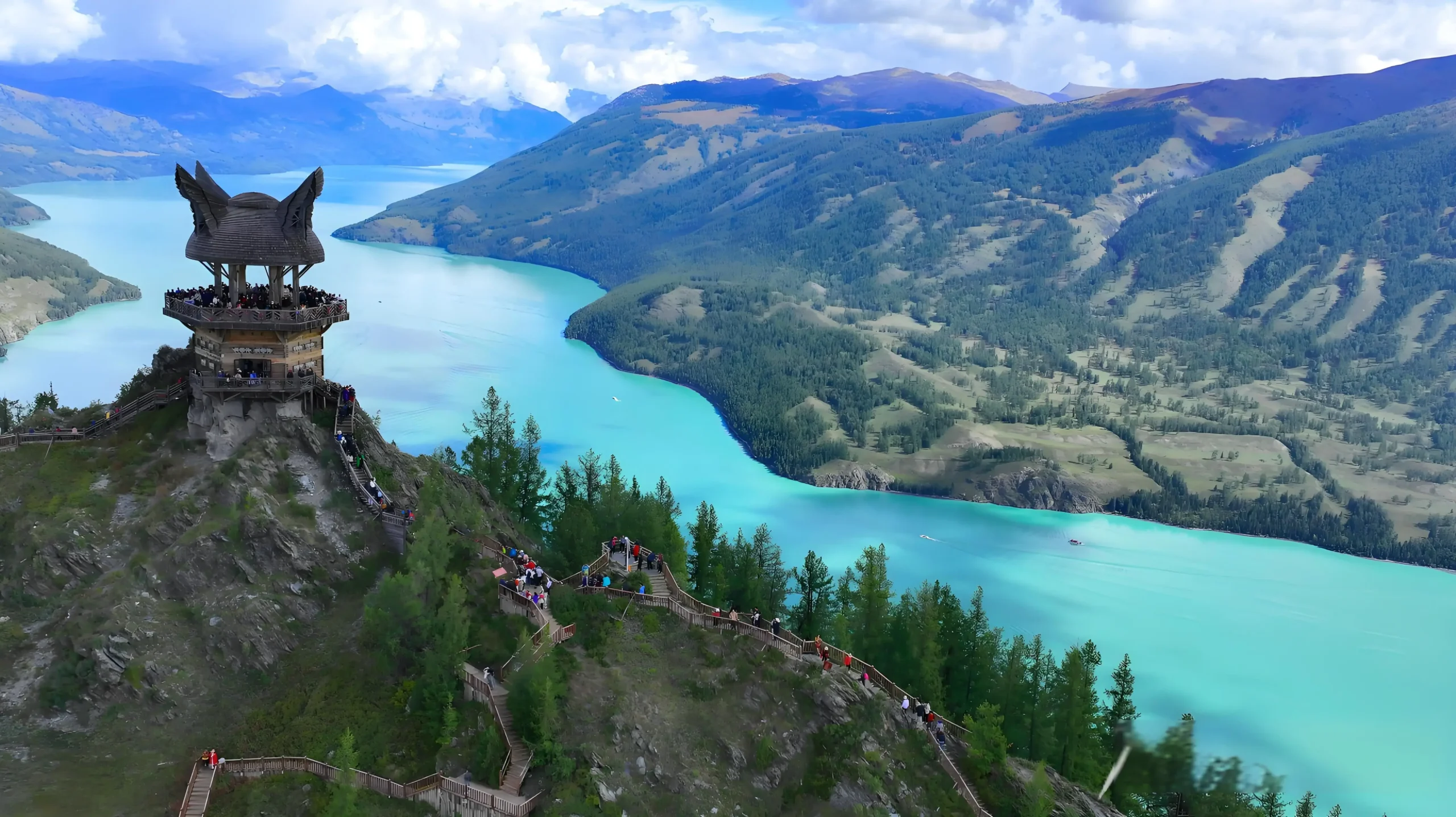
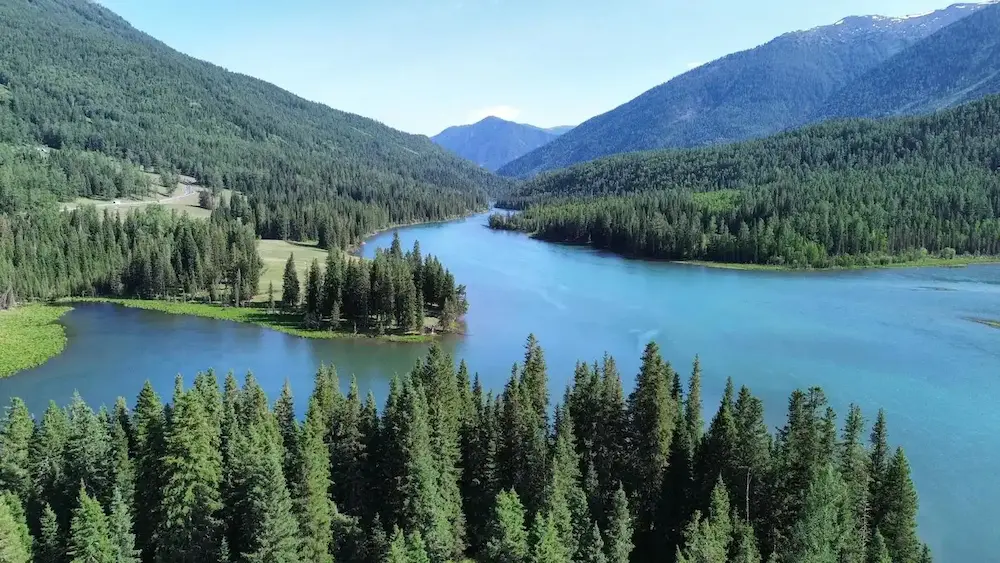
- Kanas Lake: Best at sunrise in September–October. The wooden bridge near the ferry pier offers a classic composition. Bring a telephoto lens for compressed mountain layers.
- Sayram Lake: The ring road offers 360° compositions. Sunset from the western shore is spectacular. A Sayram Lake travel guide recommends scouting locations a day ahead.
- Zhangye Danxia (near Xinjiang border): Shoot 1–2 hours after sunrise or before sunset for the most saturated colors. Overcast days actually work better here—the colors pop without harsh shadows.
- Kashgar Old City: Best in the early morning (7–9 AM) when the light is soft and the alleys are quiet. The Kashgar Old City guide covers the most photogenic alleys and rooftops.
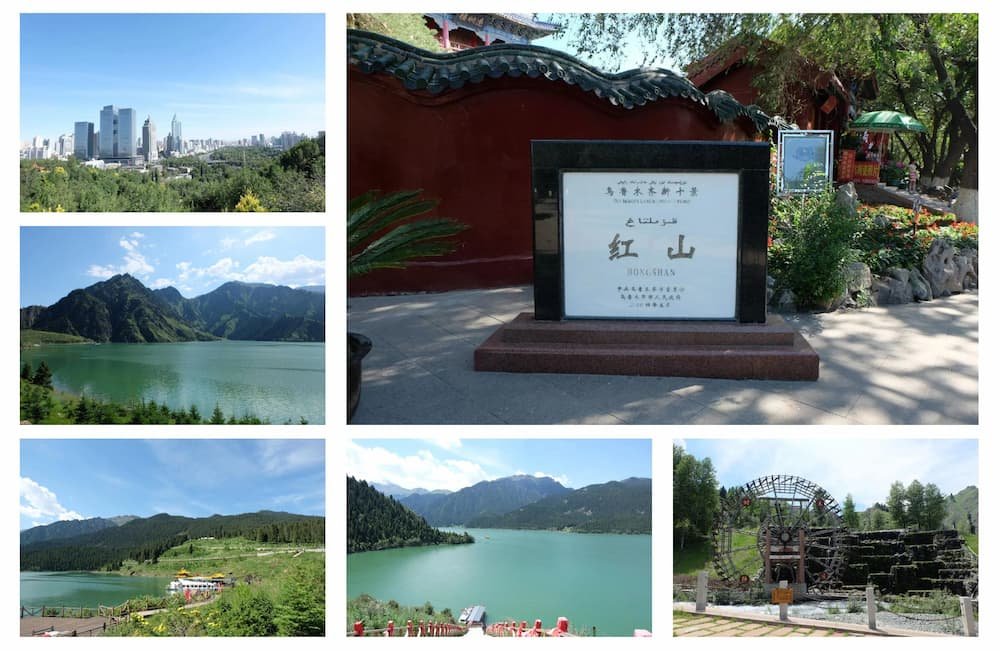
- Heavenly Lake (Tianshan): A Heavenly Lake guide tip: hike 1–2 hours along the lakeshore for fewer people and better reflections.
Gear & Practical Tips
Xinjiang’s light is intense. A polarizing filter is essential to cut glare from desert surfaces and water. Bring extra batteries—cold mornings at high altitude drain them fast. A lightweight tripod is non-negotiable for sunrise and star photography. If you’re traveling to Xinjiang with camera gear, note that some checkpoints may ask to inspect equipment—keep your gear accessible and be patient with security procedures.
Cultural Photography Etiquette
Always ask before photographing people, especially in rural areas and traditional communities. A smile and a gesture go a long way. In mosques and religious sites, respect local customs—some areas prohibit photography entirely. When in doubt, ask. The safety guide for Xinjiang tourists also covers cultural sensitivity tips that apply to photography.
With the right preparation, Xinjiang will reward you with some of the most striking images in your portfolio. Pack light, shoot often, and don’t be afraid to wake up before dawn—the best light waits for no one.