
My cousin uses a wheelchair, and when she asked if Xinjiang was possible, I had to be honest: it’s improving but uneven. We did a two-week trip together and learned a lot about what works and what doesn’t. If you or a travel companion has a disability, here’s the straight version, based on what we actually found in Urumqi, Kashgar, Kanas, Heavenly Lake, and Turpan.
The overall picture
Xinjiang lags behind China’s coastal cities on accessibility. You won’t find the consistent curb cuts and audio signals of Shanghai or Beijing. But it’s not hopeless – the big cities and the major scenic areas have made real progress in the last few years, especially the newer facilities.
Trains are your friend. The high-speed line into Urumqi has step-free access and accessible toilets. Long-distance buses are worse – many old stations lack ramps.
Wheelchair access by place
Kashgar old town
The old city has been partly rebuilt with paved, flatter lanes in the main tourist core, and the central squares are navigable. Side streets are cobbled and uneven – bring a companion for those. The Kashgar Sunday market is mostly flat open ground, doable with help but crowded.
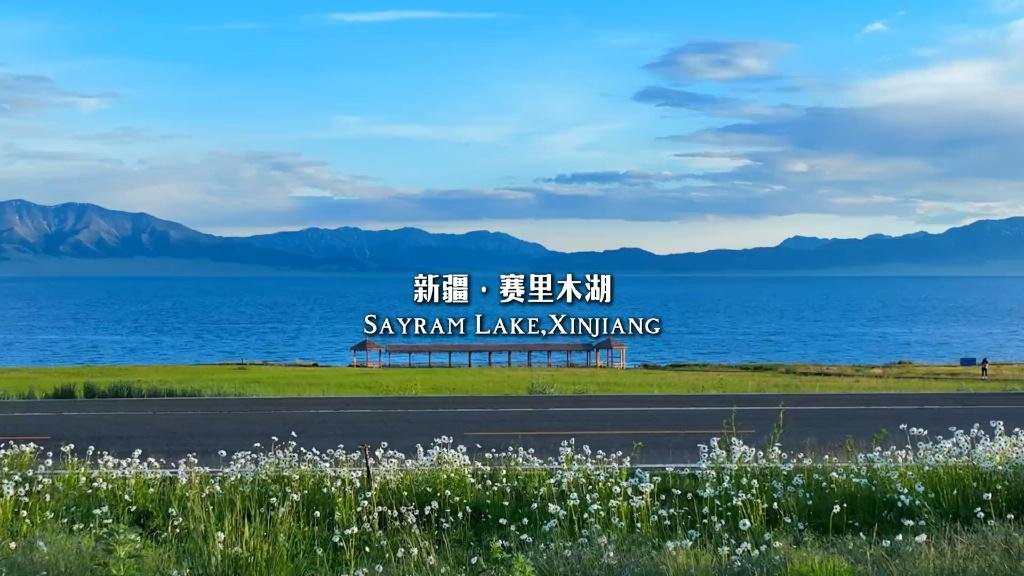
Heavenly Lake
The visitor center and the first boardwalk section near Heavenly Lake are paved and step-free. The boat pier has a ramp. Deeper trails get steep, so stay near the lakefront loop. We managed a good hour out there.
Kanas
This is the hard one. Kanas is built on hills with many stairs and shuttle-bus transfers. The viewing platforms have steps. A wheelchair user would see little without strong assistance, and some platforms were simply unreachable. I’d lower expectations here or pick the lakeside flat path only.
Turpan
The Turpan grape valley and the Jiaohe ruins have flat, open ground – the ruins are actually one of the easier sites, a wide earthen maze with few steps. Be careful in heat; shade is limited.
Urumqi
The regional museum and the big malls near Urumqi center are the most reliably accessible, with elevators and ramps. Use the city as your comfortable base.
For blind and low-vision travelers
Most scenic areas offer little specific support – no braille maps, few audio guides in English. The upside is that Xinjiang is heavily sensory in a good way: the call to prayer in Kashgar, the smell of roasting nan, the wind off Heavenly Lake. A sighted companion makes navigation far easier.
I’d suggest downloading offline maps and sharing your live location with someone. Signal is good in cities, patchy in mountains.
For deaf and hard-of-hearing travelers
This is the easiest category. Xinjiang’s appeal is visual – landscapes, architecture, markets – so missing spoken commentary hurts less than it would in a museum-heavy trip. Written notes and translation apps cover most needs. Locals are used to pointing and gesturing; we got by with a phone and patience.
Practical tips that helped us
- Travel with a companion. Almost everywhere, a second pair of hands solves the ramp-or-stair problem.
- Choose guided or private car. A driver who waits at the door saves the bus hassle. We used a car with a driver out of Urumqi and it removed most stress.
- Call ahead. Scenic areas’ English lines are weak, but hotels can call the park. We confirmed Heavenly Lake‘s ramp access the day before.
- Pick ground-floor or elevator rooms. Ask specifically; “accessible room” isn’t a standard category, so describe the need.
- Build in rest. Distances are long. We capped drives at four hours and napped.
Where it’s heading
New infrastructure skews accessible – the Urumqi airport expansion, the high-speed rail, and recent boardwalks at Heavenly Lake all show the trend. Older sites like parts of Kanas lag, but I noticed more ramps than on my first visit five years ago.
Airports and arrival access
The Urumqi airport is the most accessible entry – elevators, accessible toilets, and staff who helped us with a wheelchair tag without fuss. Kashgar airport was decent too, with ramps at the new terminal. Smaller city airports are more variable, so if flying matters for access, route through the two big ones and use a car with a driver onward.
We pre-arranged assistance by calling the airline a day ahead; it meant a wheelchair met the gate. Worth the phone call in Mandarin (have your hotel help).
Equipment and helpers
I didn’t find rental wheelchair services easily outside Urumqi. If you need specialist equipment, bring your own or arrange through a tour operator before arrival. For my cousin, a lightweight foldable chair we carried was the practical fix.
Hiring a local companion-guide in Kashgar or Urumqi is possible through agencies and removes the daily navigation strain. It costs more but turned a stressful plan into a relaxed one.
Hotels that worked
In Urumqi we found step-free rooms at the international-chain properties near the CBD. In Kashgar some old-town guesthouses had steps at the door – ask for “no stairs entrance” specifically. Turpan hotels were flat and easy. Always confirm by phone, not just the booking note; “accessible” isn’t a standard filter on local sites.
Attitude on the ground
The biggest help wasn’t a ramp – it was people. Strangers in Kashgar lifted the chair over a step without being asked; a Urumqi waiter carried cousin’s food to a better table. Xinjiang is a helpful, physical-culture place where assistance comes naturally. Go expecting warmth, and you’ll get it.
A realistic bottom line
Plan for the cities and the flat sites, bring a companion, and treat the mountain stair-viewpoints as “photos from the car window” rather than goals. With that framing, a disabled traveler can still taste the region’s best – the Turpan ruins, the Kashgar alleys, the Heavenly Lake shore – without fighting the terrain daily.
My honest advice
Xinjiang is doable for many disabled travelers if you plan around the cities and the flat, open sites, and if you bring a companion. Skip the stair-heavy mountain viewpoints and lean on Turpan, Kashgar‘s core, and Urumqi‘s museums. With a private car and realistic daily limits, my cousin came home with great photos and no horror stories. That’s a win worth planning for.