If you’re planning a trip to China and Xinjiang is on your list, you’ve probably asked yourself one question first: Is Xinjiang safe for tourists?
This guide is part of our complete Xinjiang Travel Guide series for foreign travelers.
It’s a reasonable question. Xinjiang shows up in the news for all kinds of reasons, and most of what you read has nothing to do with what it’s actually like to travel there. I’ve spent time in the region, and this guide is based on what I’ve seen on the ground — not headlines, not government briefings, and not what someone copied from a travel forum.
The Short Answer
Yes, Xinjiang is safe for foreign tourists in 2026. The region has a visible security presence, but crime rates are low, and the main inconvenience for travelers is paperwork — not personal safety.
If you’re worried about getting robbed, scammed, or physically harmed while traveling in Xinjiang: that’s not what you need to worry about. The real issues are practical — permits, hotel restrictions, and the fact that English is barely spoken outside Urumqi.
What Security Actually Looks Like on the Ground
You’ll notice security checks at train stations, airports, and some highway entrances. Your bags go through X-ray machines. You show your passport. Sometimes you wait in a line. It’s routine, and once you’ve done it once, it stops feeling unusual.
In Kashgar‘s old city, in Urumqi’s bazaars, and on the road to Turpan, I’ve walked around alone at night without thinking twice. The theft rate in Xinjiang’s tourist areas is lower than in most European cities I’ve visited. That’s not propaganda — that was my actual experience.
The One Practical Problem: Not Every Hotel Accepts Foreigners
This is the one issue that catches foreign travelers off guard. Some smaller hotels in Xinjiang aren’t licensed to accept foreign guests — not because of safety, but because of a separate registration requirement with the local police. It’s administrative, not political.
The solution is simple: book hotels in advance through platforms that confirm they accept foreigners, or stick to internationally branded hotels in larger cities. In smaller towns, your best option is often a guesthouse recommended by a travel agency that regularly works with foreign clients.
Border Permits: Annoying but Manageable
If you want to visit Kanas, Taxkorgan (on the Pakistan border), or certain areas near the Kyrgyzstan border, you need a Border Area Entry Permit (边境管理区通行证). You can’t apply for this yourself — a licensed travel agency in Xinjiang has to do it for you.
It takes 1-2 days and costs somewhere between 100-200 RMB depending on the agency. If your itinerary includes these areas, factor this in. Most travel agencies in Urumqi or Kashgar handle this routinely — it’s not a big deal, just a step you can’t skip.
Altitude and Health: The Real Safety Risk
The actual safety issue in Xinjiang that no one talks about enough is altitude. Parts of the region — especially the Pamir Plateau near Taxkorgan, and areas around Bayanbulak — sit at 3,000-4,000 meters. If you fly into Kashgar (1,280m) and immediately drive to the plateau, you may feel it.
Symptoms are usually mild: headache, shortness of breath, trouble sleeping. Spending a night in Kashgar before heading higher up makes a difference. If you have a heart condition or respiratory issue, talk to your doctor before the trip — not because Xinjiang is dangerous, but because high altitude anywhere requires the same precautions.
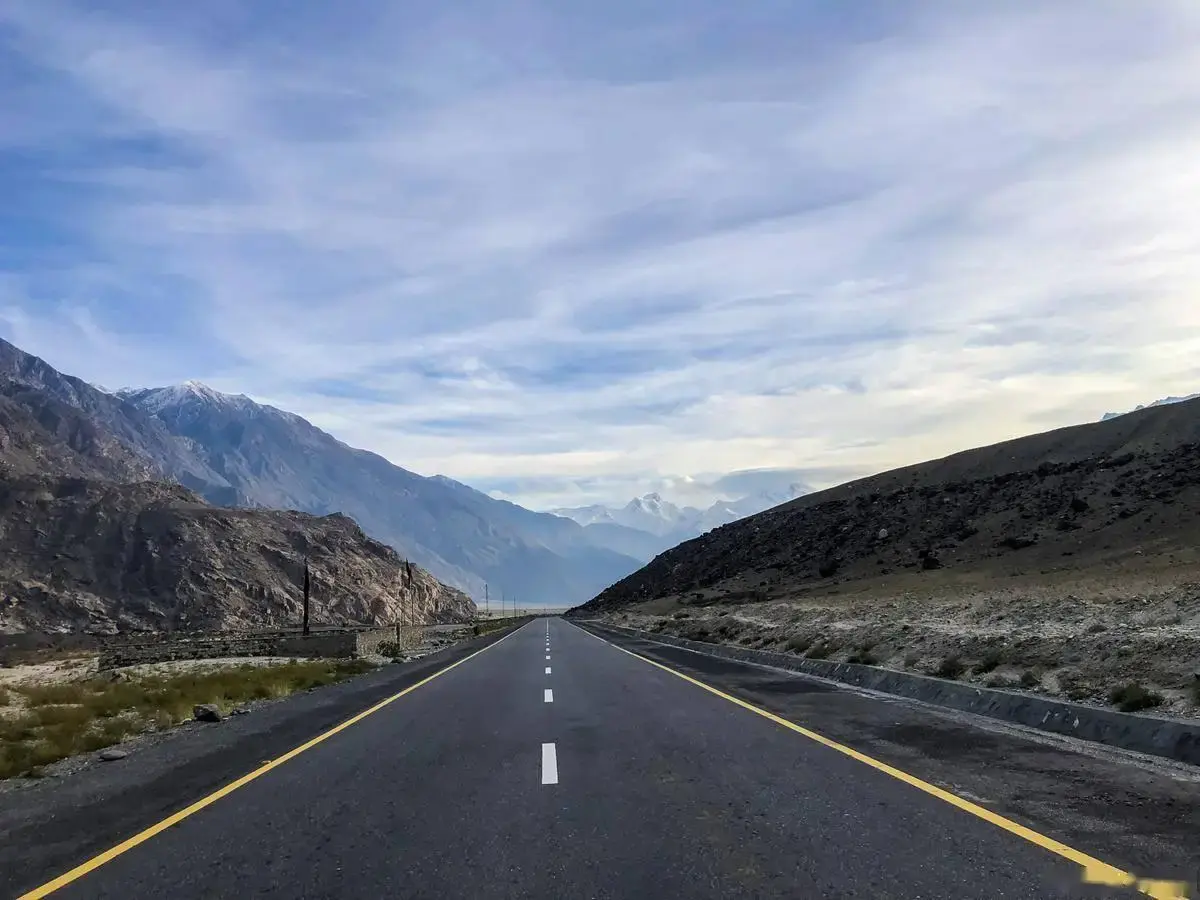
Getting Around: Roads Are Better Than You Think
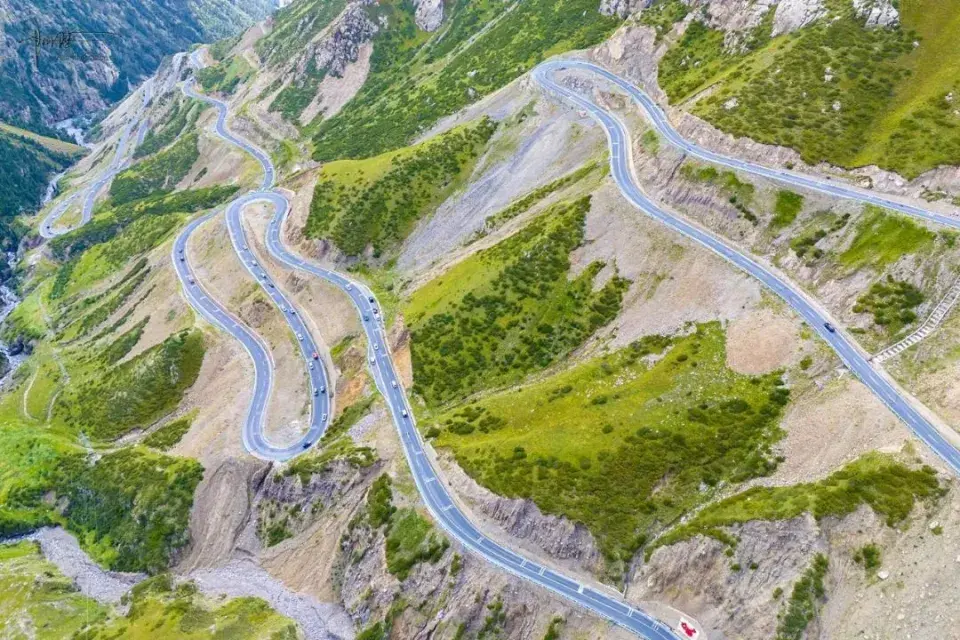
The Duku Highway — a scenic route across the Tianshan Mountains — gets mentioned in every Xinjiang travel article, and for good reason. It’s open from June to September, and it’s paved, guarded, and busy with domestic tourists. You don’t need a 4WD. You do need to start early, because traffic backs up at the single-lane sections.
For most foreign travelers, the most practical way to get around is hiring a car with a driver. You can’t rent a car and drive it yourself unless you have a Chinese driver’s license (International Driving Permits aren’t recognized in mainland China). A driver costs 300-500 RMB per day depending on the car, and it saves you from navigating Chinese navigation apps and fuel station payment systems that don’t always accept foreign cards.
Language: The Bigger Barrier Than Safety
Outside Urumqi and the occasional high-end hotel in Kashgar, English is rare. Restaurant menus, train station signs, and bus schedules are in Chinese. Google Translate’s camera function works well for characters, and you can download the Pleco dictionary app before you go. It works offline and is what most foreigners in China actually use.
Is It Safe for Solo Travelers?
Yes. I met solo travelers — both male and female — in Kashgar’s old city and on the train from Urumqi to Turpan. The main challenge for solo travelers isn’t safety, it’s logistics: some attractions are far apart, and group tours or carpooling with other travelers can cut costs significantly.
If you’re a woman traveling solo: Xinjiang is culturally conservative in parts, especially in southern Xinjiang. Dress modestly when visiting mosques or rural areas. You don’t need to cover your hair, but sleeveless tops and shorts will draw stares in smaller towns. In Urumqi and Kashgar’s tourist areas, dress codes are relaxed.
What About the Winter?
Xinjiang in winter (November-March) is cold — really cold. Urumqi regularly hits -20°C. Some mountain passes close. The Duku Highway shuts for the season. But if you’re interested in skiing (the powder in Altai is genuinely good) or seeing snow-covered desert, it’s safe. Just pack accordingly, and check which roads are open before you go.
The Bottom Line
The safety question around Xinjiang is more complicated than a yes or no, but here’s the practical version: you’re unlikely to encounter personal danger traveling in Xinjiang as a foreign tourist in 2026. The region is heavily policed, the locals I met were hospitable, and the infrastructure for tourists — especially domestic tourists — is solid.
The challenges are real: the language barrier, the permit requirements, the hotel restrictions, and the fact that you need to plan more carefully than you would for, say, Thailand or Japan. But “requires more planning” isn’t the same as “unsafe.”
If you’re still unsure, start with a short itinerary — Urumqi, Turpan, and Kashgar — and see how it feels. Most travelers I’ve spoken to after their trip said the same thing: the anticipation was worse than the reality.
Have a specific question about traveling in Xinjiang that isn’t covered here? Get in touch — I do my best to answer every inquiry.