Xinjiang Big Plate Chicken (Da Pan Ji): How to Order & Eat It
Xinjiang Big Plate Chicken (Da Pan Ji): What It Is and How to Eat It Properly
Big plate chicken is the dish that most reliably surprises first-time visitors to Xinjiang. It arrives in a shallow metal or enamel platter far larger than seems reasonable, a glossy red-brown braise of chicken pieces and potatoes with peppers and onions, whole dried chillies and a deep savoury sauce. Then, just when you think the meal is over, the staff bring a plate of wide hand-pulled noodles and tip them into the leftover sauce. That second act is the point of the whole dish. This guide explains what goes into it, where it came from, how to order the right size, how it differs from the other Xinjiang staples, and how to avoid the small mistakes that leave tourists full before the best part.
The Short Answer
Order it for a group of three or four, ask for a moderate chilli level if you are unsure, eat the chicken and potatoes first, and save room for the noodles that come at the end. It is a shared, informal, slightly messy meal built around a braise rather than a grill, which makes it a useful counterpoint to the skewers and rice that dominate most visitors’ first few days. If you only eat one sit-down dish beyond kebabs, this is a strong candidate, and the Xinjiang food guide is the best place to map it against everything else on the table.
What Exactly Is in the Plate
The core is bone-in chicken chopped into pieces, waxy potatoes cut into generous chunks, onion, and red and green peppers, braised in a sauce built on ginger, garlic, dried chilli, Sichuan pepper and a soy-and-tomato base. Some kitchens add a little sugar for gloss, some push the chilli harder, some finish with fresh coriander or a scattering of whole peppercorns. It is not a dry stir-fry and it is not a soup: the sauce should be loose enough to coat noodles later but concentrated enough to cling to the potatoes.
Texture is the thing to notice. The potatoes are cooked until their edges soften into the sauce, thickening it naturally, while the peppers stay just short of collapsing. Bone-in chicken is standard and keeps the meat from drying out during a long braise; if you are served boneless breast pieces, you are probably in a kitchen cooking for a different audience. The deep dive beyond kebabs covers how this kind of braise fits into the wider regional repertoire.
Where the Dish Came From
The account you will hear most often places its origin in the Shawan area of northern Xinjiang in the late twentieth century, at roadside restaurants serving long-distance drivers on the highway between Urumqi and the west. In that telling, a cook stretched a chicken braise with potatoes and served it in a big shared pan, then added noodles to mop up the sauce so nothing was wasted. It spread along the truck routes and eventually onto menus across China.
It is worth being honest about the evidence: this is a widely repeated culinary story rather than a documented historical record, and details such as the exact town, decade and inventor vary between tellings. What is not in doubt is the logic of the dish — a hot, filling, shareable one-pan meal that suits cold evenings, long drives and a table of hungry people. You can still find restaurants that treat it as their signature and serve it with a degree of ceremony, especially along the northern highway corridor out of Urumqi.
The Noodles at the End: The Part People Miss
Wide, flat, hand-pulled noodles — often called belt noodles because of their width — arrive after the meat and potatoes have been eaten, and are tipped into the sauce remaining in the pan. They are deliberately plain, because their job is to carry the braise: chilli oil, softened potato, onion sweetness and everything that has settled at the bottom. Many travellers, unfamiliar with the sequence, fill up on chicken and leave before the noodles appear. Some restaurants ask when you want them; at others they simply arrive. If in doubt, say you want the noodles when the platter is half finished.
This is also where the dish connects to the rest of Xinjiang’s noodle culture. The hand-pulled noodle guide explains the same stretched dough in its stir-fried form, and a cooking class or food tour is the easiest way to see how the dough is handled. If you enjoy the second act more than the first, order a separate plate of noodles on your next visit — nobody will think it strange.
How It Differs From Other Xinjiang Dishes
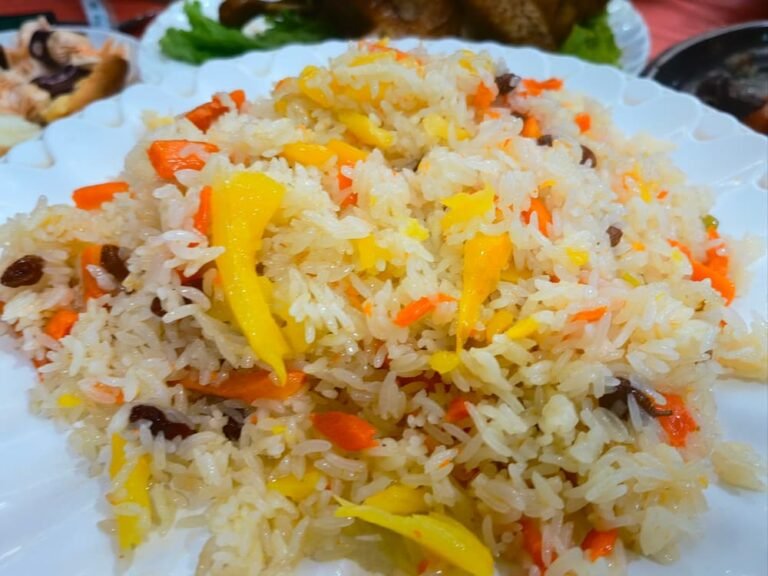
Compared with pilaf, big plate chicken is a braise with a sauce rather than rice steamed in stock, and it is eaten communally from one pan. Compared with lamb skewers, it is a sit-down, spoon-and-chopsticks dish with no charcoal smoke. Compared with the night market style of eating, it is a single large commitment rather than a progression of small things. Knowing that helps you plan a day: a big plate chicken lunch and a heavy street-food evening in the same twelve hours is a mistake.
It also sits slightly apart from the Uyghur home-cooking tradition that dominates the region’s food writing, being more closely associated with roadside Han and Hui restaurant cooking. That is part of what makes Xinjiang’s food scene interesting — several cuisines sharing a geography. The halal food guide is worth reading if that distinction matters to you.
How to Order for a Group
One standard platter comfortably feeds three, often four with the noodles, and can defeat two people. Many menus offer a small and a large size, or price by the weight of chicken; ask what size suits your table and be prepared for the server to suggest less than you were about to order. Chilli level is usually adjustable — mild, medium or spicy — and “medium” in a Xinjiang kitchen can still be assertive, so start low. Sides are minimal: a cold cucumber salad, pickled vegetables or plain naan, plus tea or a soft drink.
Pointing works fine if you do not share a language, but the two things worth communicating clearly are the number of people and the chilli level. If you want the noodles, mention them at ordering time so the kitchen holds back enough sauce. The greetings and customs guide has a few phrases and gestures that make counter ordering easier.
What It Costs
Prices vary considerably between a highway roadside restaurant, a city neighbourhood place and a tourist-facing venue, and they are often quoted per portion or per weight of chicken rather than as a fixed plate. Rather than relying on a figure from an old blog post, read the menu in the shop and confirm whether the noodles are included or charged separately — they usually are included, but not always. For a framework on what a day of eating should reasonably cost, the detailed cost breakdown and the general budget guide are more useful than a single number.
Value is generally good because the dish is designed to be shared. Two people splitting one platter with noodles is still a substantial meal, and leftovers are awkward to carry in a hot car, so resist ordering a second dish “just in case”.
Where to Find a Good One
Look for places that advertise the dish as their speciality, ideally with a steady local lunch trade rather than a photo menu in six languages. The original highway-town style is still the benchmark: unfussy rooms, big tables, a visible stack of platters, and a kitchen that has been braising the same recipe for years. In Urumqi and the larger northern cities you will find polished versions with more chilli oil and less potato; both are legitimate, but they are not the same meal.
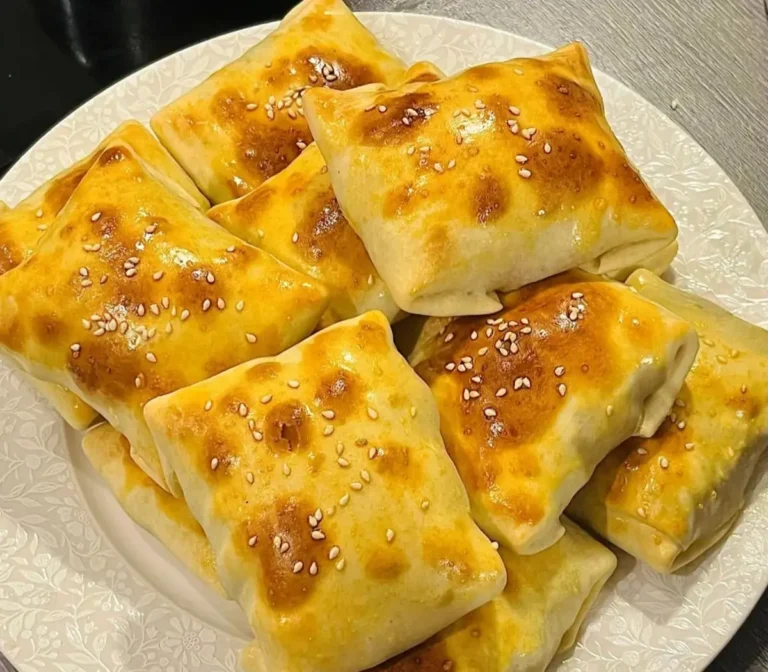
If you are passing through the northern corridor, ask a driver or hotel receptionist where they would eat it — that question produces better answers than a search ranking. For a structured introduction, a food tour can put the dish in context alongside samsa and steamed buns and the rest of the local table.
Spice, Dietary and Halal Notes
The heat comes from dried chillies and Sichuan pepper, so it is fragrant and numbing as well as hot, and the seeds and whole peppercorns stay in the pan. If you are sensitive, ask for less chilli and pick around the whole spices; removing them after cooking only does so much. The dish contains bones by default, which is worth knowing for children or anyone with dental concerns. It is chicken-based and commonly served in halal or halal-friendly restaurants, but confirm rather than assume if that matters to you, and note that the braise is not vegetarian even if you skip the meat, since the sauce is built on chicken stock.
Vegetarians will have a thin time with this particular dish and are better off with the noodle, bread, salad and fruit side of the menu. Anyone with a serious allergy should be cautious about cross-contamination in a shared-pan kitchen and should carry a written card describing the allergy in Chinese.
Eating Etiquette and Pacing
Everyone eats from the same platter, usually with chopsticks and a spoon for the sauce, and there is no formal ordering to who takes what. It is normal to leave the potato chunks until they have softened further and to fish out the best pieces of chicken early. Pace matters more than manners: the meal has two acts, and the second is not optional in spirit. Keep some sauce in the pan, do not let a well-meaning server clear it, and signal when you are ready for the noodles.
Bread is a legitimate tool. A piece of naan dragged through the sauce is an entirely normal move, and some tables skip the noodles in favour of it. If you are eating with local hosts, expect them to keep urging you to have more, and expect the usual first-timer mistakes to be gently corrected. For general regional food reporting in English, China Daily’s travel section and TravelChinaGuide are useful starting references.
Making a Home Version
The home logic is simple even if the balance is hard to match. Brown bone-in chicken pieces hard, soften ginger, garlic, onion and dried chilli in the fat, add soy and a little tomato or paste, return the chicken, add water and simmer, then add potato chunks partway through so they soften without disintegrating. Finish with peppers near the end so they keep some bite. Serve in a wide shallow pan with separately boiled wide noodles added at the table.
Two things usually go wrong: adding the potatoes too early, which turns them to mash, and reducing the sauce too far, which leaves nothing for the noodles. Keep it looser than you think a braise should be. It will not taste exactly like a Shawan roadside kitchen, but the structure — a shared pan, a second act with noodles — survives translation.
Common Mistakes
Ordering a full platter for two and then a second dish; filling up before the noodles arrive; asking for “extra spicy” on a first attempt; letting the pan be cleared; assuming the dish is a street snack rather than a sit-down meal; and treating a widely repeated origin story as settled fact. Fix those and the meal almost always lands. If you want one more comparison before you go, the food deep dive sets out where the braised dishes sit relative to grilled and steamed ones.
Frequently Asked Questions
What is Xinjiang big plate chicken?
A shared braise of bone-in chicken, potatoes, onions and peppers in a chilli-and-soy sauce, served in a large shallow pan, with wide hand-pulled noodles added to the remaining sauce at the end of the meal.
Where did da pan ji originate?
The most common account places it in the Shawan area of northern Xinjiang in the late twentieth century, at roadside restaurants serving long-distance drivers. Details vary between tellings and there is no definitive documented record, so it is best treated as culinary lore.
How many people does one platter feed?
A standard portion comfortably serves three, often four once the noodles are added. Two people will usually struggle to finish it, so ask about a smaller size or skip additional dishes.
Is big plate chicken very spicy?
It is usually moderately hot and numbing from dried chilli and Sichuan pepper, but most kitchens will adjust the level. Ask for mild or medium on a first attempt and pick around the whole spices.
What are the noodles at the end?
Wide, flat, plain hand-pulled noodles, sometimes called belt noodles, tipped into the leftover sauce. They are a deliberate second course and are the reason to leave sauce in the pan.
Is it halal?
It is chicken-based and commonly served in halal or halal-friendly restaurants across Xinjiang, but practices vary by establishment. Confirm with the restaurant rather than assuming.
Written by Karl Huang – a Xinjiang-based travel writer who has eaten da pan ji at enough highway tables to know the correct answer is always “save room for the noodles”, and who has nevertheless failed to follow that advice more than once.