

It’s More Complex Than You Think
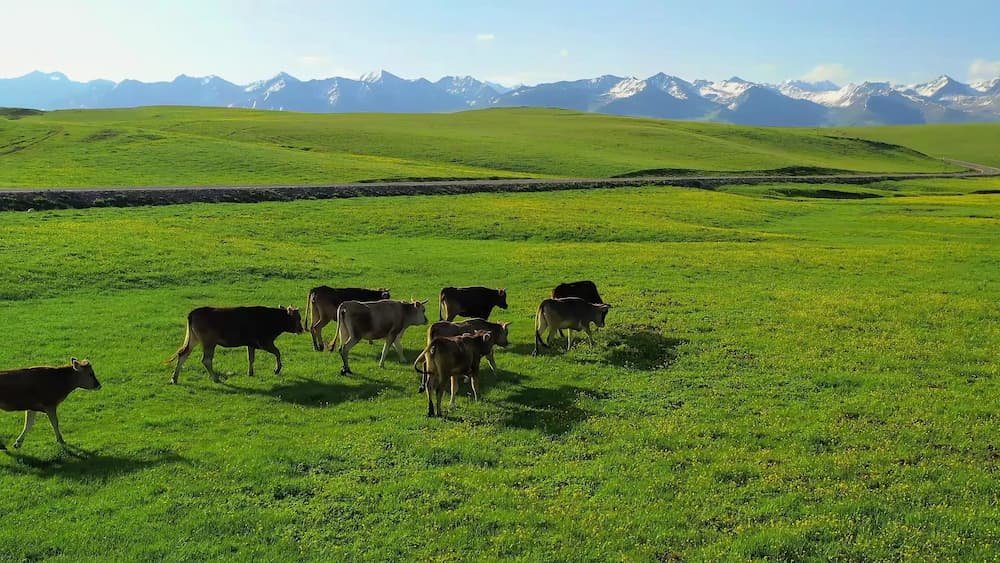
Xinjiang’s culture isn’t one thing. It’s Uyghur families running naan bakeries in Kashgar. It’s Han Chinese traders in the Urumqi markets. It’s Kazakh herders moving their yurts in the Ili Valley. It’s Hui Muslim restaurant owners in Turpan.
If you go expecting “China,” you’ll be confused. If you go expecting “Central Asia,” you’ll be partially right. The reality is a unique blend that doesn’t exist anywhere else.
What to Know Before You Go
1. Religious Considerations
Xinjiang has a large Muslim population (Uyghur, Hui, Kazakh, Kyrgyz). Even if people don’t practice strictly, the culture is influenced by Islamic traditions.
What this means for you:
- Dress modestly in conservative areas (Kashgar Old City, rural areas). Cover shoulders and knees.
- No public drinking/alcohol in conservative areas. In Urumqi and tourist areas, it’s fine.
- During Ramadan: Some restaurants may be closed during daylight hours. Be respectful — don’t eat in front of someone who’s fasting.
2. The Tea Culture
Tea is the universal greeting in Xinjiang. If someone invites you for tea, say yes. It’s not about the tea (which is usually just black tea with milk/sugar) — it’s about sitting down and talking.
Etiquette: Don’t rush. The tea might come with nuts, dried fruit, or bread. Eat a little. It’s polite.
Pro tip: If you don’t want more tea, leave a little in your cup. An empty cup means “please pour me more.”
3. The Hospitality Thing (It’s Real)
Uyghur hospitality is legendary. If you’re invited to someone’s home for a meal, it’s not a casual thing — it’s a multi-course feast.
What to bring: You don’t need to bring a gift (they won’t expect it), but bringing some fruit, sweets, or tea from your home country is a nice gesture.
Shoe etiquette: Take off your shoes when entering a home. Slippers will be provided.
4. Photography Etiquette
Xinjiang is incredibly photogenic. But not everyone wants to be in your Instagram story.
Ask before photographing:
- People (especially women and children)
- Inside religious buildings
- Military/police checkpoints (this one isn’t “etiquette” — it’s “you’ll get in trouble”)
A smile and a gesture with your camera usually gets a yes.
5. The Language Situation
Mandarin is widely spoken in Urumqi and tourist areas. In Kashgar Old City, Uyghur is more common.
Useful phrases (Mandarin):
- “Hello” — Nǐ hǎo (你好)
- “Thank you” — Xièxie (谢谢)
- “How much?” — Duōshao qián? (多少钱?)
Useful phrases (Uyghur — approximate pronunciation):
- “Hello” — Assalamu alaykum
- “Thank you” — Rahmat
- “Delicious” — Besh (very approximate)
- The bathroom situation in rural areas: Carry tissues. Always.
- The “tea house nap” thing: Old men in Kashgar sometimes spend 4-5 hours in a teahouse. It’s a social club, not just a drink.
- The music: Uyghur music is incredible. If you hear live music in a teahouse or at a festival — stay. It’s not a performance; it’s people’s actual culture.
The Stuff Guidebooks Won’t Tell You
The Verdict
Xinjiang’s culture is the best part of visiting. The landscapes are spectacular, but the people — that’s what you’ll remember.
Be curious. Ask questions (through translation apps if necessary). Accept the tea invitation. Try to understand a little of what makes this place so complex and so beautiful.
And when in doubt? Smile. It’s the only universal language that actually works.
—
Published on Xinjiang Travels — Real travel advice from someone who’s been there.