

I almost skipped Akto. Like most people, I treated Kashgar as the jumping-off point for the Pamirs and figured the county of Akto was just a blur of highway between the city and the good stuff. Then a driver in Kashgar told me he was from Akto, and that the best view of Muztagh Ata he’d ever seen was from his own village. That sent me down a rabbit hole, and two trips later I’m convinced Akto is the smarter base for the Pamir approach than the city everyone floods to.
Getting to Akto from Kashgar and Urumqi
Akto sits about 40 kilometers southwest of Kashgar, which makes it an easy half-day transfer if you’re coming from the city. If you’re arriving from the north, the train from Urumqi to Kashgar now puts you within a short hop of Akto’s county seat, and there’s a station stop that saves you the Kashgar traffic entirely. I learned this the hard way after sitting in a Kashgar taxi for an hour; the next time I just got off at Akto and rented a 4×4 from a local guesthouse owner.
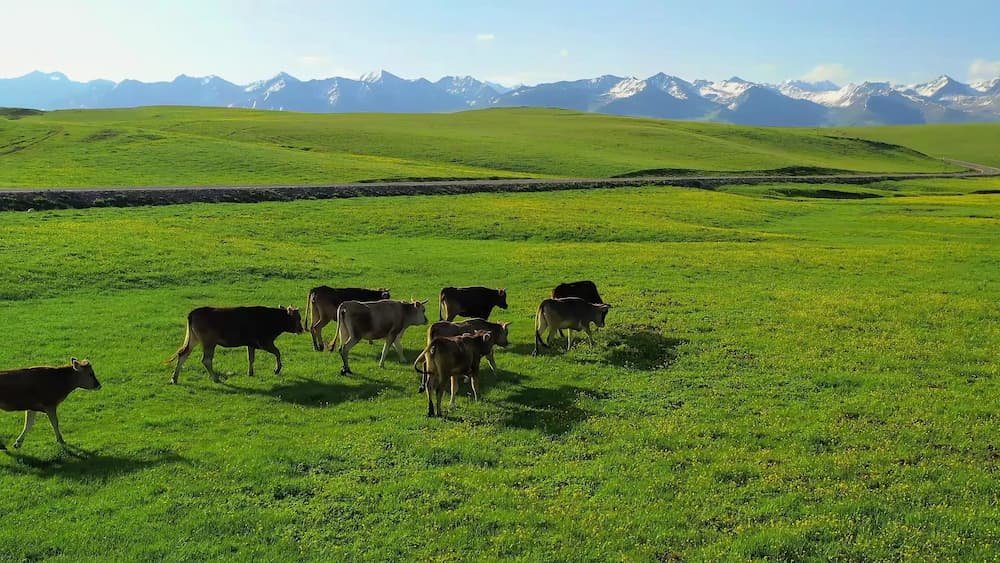
The road south climbs almost immediately. Within twenty minutes the flat Tarim basin floor gives way to rock, then to the first glimpses of snow on a horizon that keeps getting taller. By the time you reach the Oytag turnoff, you’re already breathing mountain air that smells of cold stone and dry grass.
Oytag Glacier Park without the tour buses
Most Pamir itineraries save glaciers for later, up near the ice cap itself. Oytag Glacier Park, just past Akto, lets you walk toward a glacier before you’ve even committed to the high plateau. I went in late September. The path follows a braided river, and the glacier tongue hangs at the end of the valley like a frozen waterfall someone forgot to turn off.
What I liked was the quiet. The big Karakul Lake stops get coaches; Oytag got me, a German cyclist, and a family from Urumqi who’d driven down for the weekend. We shared instant noodles at a herder’s tent and watched the ice turn pink at sunset. Bring layers—even in September the wind off the glacier drops the temperature fast, and there is no shelter once you’re past the parking lot.
White Sand Lake on the way up
The White Sand Lake, or Baisha Lake, is technically between Akto and the higher Pamirs, but I treat it as Akto’s front yard. The wind stacks pale dunes against a band of turquoise water, and the contrast is so clean it looks edited. I arrived at 7 a.m. to beat the light buses from Kashgar and had the shore to myself for almost an hour.
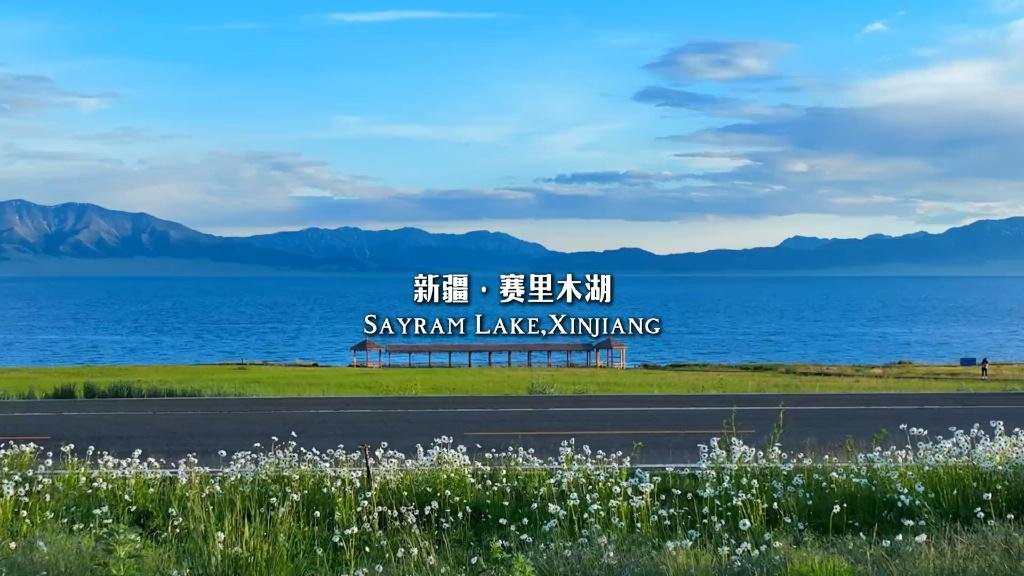
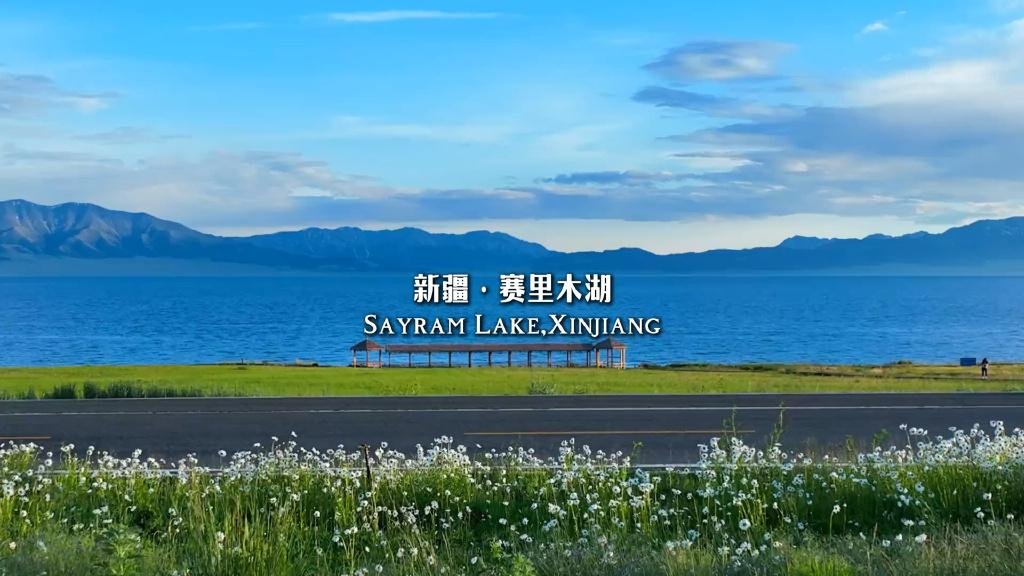
There’s a walking causeway now, which some purists dislike, but it keeps you off the fragile sand. I’d recommend the eastern spur, where a small hill gives you a wide shot of the dunes meeting the water with Muztagh Ata behind. If you’re looping north afterward, the same road eventually connects you toward Sayram Lake via the long Tarim-to-Ili run, though that’s a multi-day drive I’ll cover elsewhere.
Karakul Lake as a day trip, not an overnight
Karakul Lake gets the postcards, and it deserves them—the reflection of Muztagh Ata in still morning water is the image everyone carries home. But the lakeside guesthouses are basic and cold, and the altitude, around 3,600 meters, wrecked my first night’s sleep. Staying in Akto and driving up for sunrise solved both problems. I’d leave the guesthouse at 5:30, reach the lake shore by first light, shoot for two hours, and be back in Akto for a hot breakfast before the tour groups arrived from Kashgar.
The Kirghiz herders around the lake rent yaks for photos. I paid forty yuan, felt ridiculous, and then loved the picture. Tip: negotiate at the lake edge, not in the parking lot, where prices double.
A village morning I didn’t plan
On my second trip I got invited to a Kirghiz village just outside Akto town after helping a grandmother haul water from the pump. We sat on a flat roof, drank salty milk tea, and watched the sun hit the first ridge. Her grandson translated: the mountain was “father,” the river was “veins.” I’d read that kind of thing in books, but hearing it from someone who’d never left the valley made it land differently. This is the part of Akto no itinerary captures, and it’s the part I now go back for.
Where to eat and sleep in Akto
Akto’s county seat is small but has real food. The night market behind the main square does laghman noodles and grilled mutton that beats most Pamir-road stops. I ate at a place with no English sign, pointed at a sheep leg, and got the best charred ribs of the trip. Breakfast is nan bread, tea, and walnuts from the nearby orchards.
For sleeping, there are two decent hotels and a stack of family guesthouses. I stayed at a guesthouse run by a woman who’d grown up herding near Muztagh Ata; she drew me a hand map of viewpoints the tour books never mention, including a bend in the river where the whole massif lines up like a postcard you didn’t have to stage.
Practical notes I wish I’d had
- Altitude: Akto itself is around 1,300 meters, so it’s a gentle place to acclimatize before the 3,600-meter lakes.
- Permits: The Pamir stretch beyond Akto still needs the border-area permit. Get it in [Kashgar](/destinations/kashgar) before you leave; Akto can’t issue it.
- Fuel: Fill up in Akto. Stations thin out fast once you’re past Oytag.
- Timing: Late September to early October gave me clear skies and the first snow on the peaks without frozen roads.
Why Akto over Kashgar as a base
Kashgar is unmissable—the old town, the Sunday livestock market, the food. But as a launch point for the Pamirs, it’s a city you have to escape every morning. Akto is already halfway there, cheaper, and quiet enough that the mountains feel like yours. If you’ve got Sayram Lake and the Ili Valley planned for the north, Akto also breaks up the long haul logically instead of forcing one exhausting push.
I left Akto with a folder of photos I couldn’t have taken from the city, and a habit of asking drivers where they’re from. The best tips never come from the brochures.