

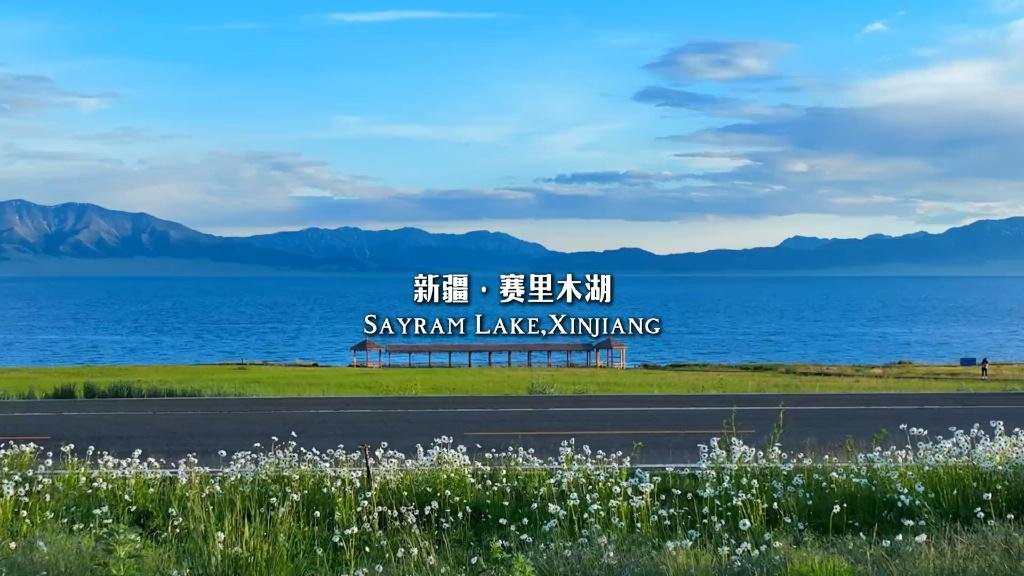
I grew up on warm lowland ponds where the fish bite lazily. Xinjiang rewired my idea of angling: glacial-cold water, strange northern species, and rivers that flow to the Arctic. This is the introduction I wish I had before my first cast into Sayram Lake — a colder, stricter, and quietly better kind of fishing than I knew.
Sayram Lake: the cold-water prize
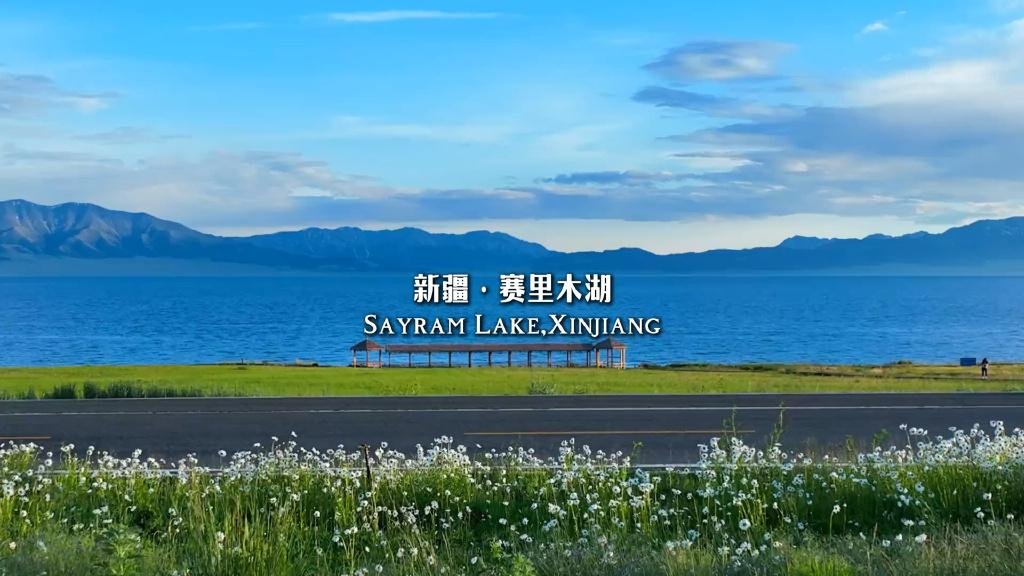
Sayram Lake is the only home in China of the Brahmic whitefish (Coregonus), introduced from colder climates and now a local legend. The water is frigid and oligotrophic, so the fish are sparse but prized. I fished from the eastern shore at dawn with a local who has done this for decades — slow retrieves, light line, and patience the lake demands. Catching one is a quiet bragging right among Urumqi anglers. He netted a fat one after two hours of nothing, held it up, and said “this lake gives slowly.” He was right about everything.
Rules note
Sayram is a protected scenic area; check current fishing permits and zones before you cast. Some shores are strictly no-take. Always ask at the gate. I was turned away from the south shore and pointed to a legal stretch — annoying at the time, correct in principle.
Bosten Lake: the big freshwater
Bosten Lake (博斯腾湖) is the more forgiving option — larger, warmer at the edges, and home to carp, perch, and introduced predators. I spent a calm October morning on a rented boat with a family who net-fish legally, and they taught me that the reed-edge drop-offs hold the most. Bring mosquito defense in summer; the reeds breed them. We caught three carp and released two, keeping one for the family’s dinner — a trade they proposed and I was happy to accept.
The Ili and Irtysh rivers
Two rivers define Xinjiang angling for different reasons:
- Ili River (伊犁河): West-flowing, supports carp, catfish, and migratory species in season. I fished the lower stretches near Ili city at dusk and lost a big one to a snag — standard tuition. The catfish bite at night and fight like they mean it.
- Irtysh (额尔齐斯河): The only Chinese river that reaches the Arctic Ocean. Up in Altay, it holds northern species — pike, perch, and the prized *taimon* (giant salmonid) in the right season. This is the serious angler’s destination, and the one that humbled me most.
Best seasons
| Water | Peak bite | Notes |
| — | — | — |
| Sayram Lake | Jun–Aug (cold stable) | Permit-checked |
| Bosten Lake | May, Sep–Oct | Avoid summer heat |
| Ili River | Apr–May, Sep | Dusk bite |
| Irtysh (Altay) | Jul–Sep | Northern species |
Permits and the law
Fishing rules in Xinjiang vary by site and change often. My standing practice:
- Ask at the local gate or fishery office before setting up
- Carry ID — border regions near Altay and Ili check routinely
- Respect closed zones — many are ecological, not bureaucratic
- Hire a local guide for the Irtysh; they know legal stretches and the border checks
A guide on the Irtysh also handled the paperwork that would have eaten my whole first day. Worth every yuan.
Catch-and-release culture
I release almost everything now. The cold-water species grow slowly and a taken whitefish is years of growth lost. The Ili and Altay locals I fished with release the big breeders by habit — it is practical, not precious. Wet hands, support the fish horizontally, and let it swim. A photo is a poor trade for a dead trophy. One old angler on the Ili told me his grandfather’s rule: “keep the pan-sized, return the breeders, and the river feeds your grandson.” I have not forgotten it.
Local catch you might eat
When you do keep within the rules, the eating is excellent:
- Bosten carp — steamed with scallion, sweet and clean
- Ili catfish — grilled over coals by the river
- Irtysh perch — fried crisp in a village guesthouse
The Ili catfish I ate was smoky from the coals and better than any restaurant fish I have had. Cook it the day you catch it; the cold does not keep it fresh forever.
Reading the water
Cold Xinjiang rivers hide their fish differently than warm ponds. The Ili and Irtysh both run clear and fast, and the fish hold where the current eases — behind a rock, on the inside of a bend, in the slack below a riffle. I learned to read the surface: a faint dimple, a slightly different color where a deeper channel cuts the gravel, the nervous flick of a minnow that means a predator is near. The local on the Irtysh told me to “fish the seam” where fast and slow water meet, and that single sentence caught me more than any lure.
Time of day matters more than gear. Dawn and the last hour of light are when the cold-water fish rise; midday they sink and sulk. I now arrive before the sun and am often packing up as the crowds arrive at ten. And I match the fly to what is actually hatching — on the Ili in September a small gray imitative pattern out-fished my flashy ones three to one. The river is not impressed by your tackle. It responds to whether you paid attention.
One last word on tackle
If you fly in, bring a 4-piece travel rod rather than a one-piece — the airlines are rougher on gear than the fish are. I carry a small box of barbless hooks (easier release, kinder to the cold-water breeders), a couple of spoons for the Irtysh, and a float rig for the still lakes. Line-rated for cold: standard mono goes brittle below zero, and I learned that the hard way when a good fish snapped me at the knot near Altay. Braid with a fluorocarbon leader has been the reliable answer since.
How to start
Base in Urumqi, drive to Sayram Lake for the headline whitefish (permit first), swing through Ili for the river, and if you are serious, push north to Altay for the Irtysh. Bring a 4-piece travel rod, cold-rated line, and a permit question for every gate. Xinjiang fishing is not about numbers. It is about standing at the edge of ancient, cold water and earning a single, careful bite — and then, if you are wise, letting the next one go.