

The first night I spent under a Xinjiang sky, I stopped talking halfway through a sentence. The Milky Way was not a faint smear — it was a structure, a river of light with dust lanes you could trace by eye. Out here, away from the glow of Urumqi, the stars still win. This is where I go to watch them, and how I learned to do it without freezing or fumbling the shot.
Sayram Lake: the easy dark sky
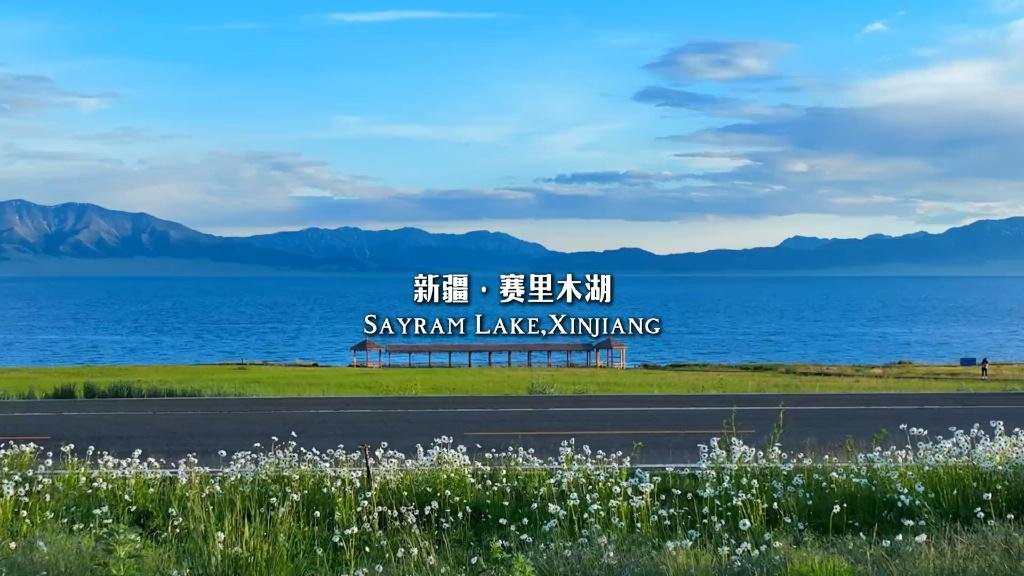
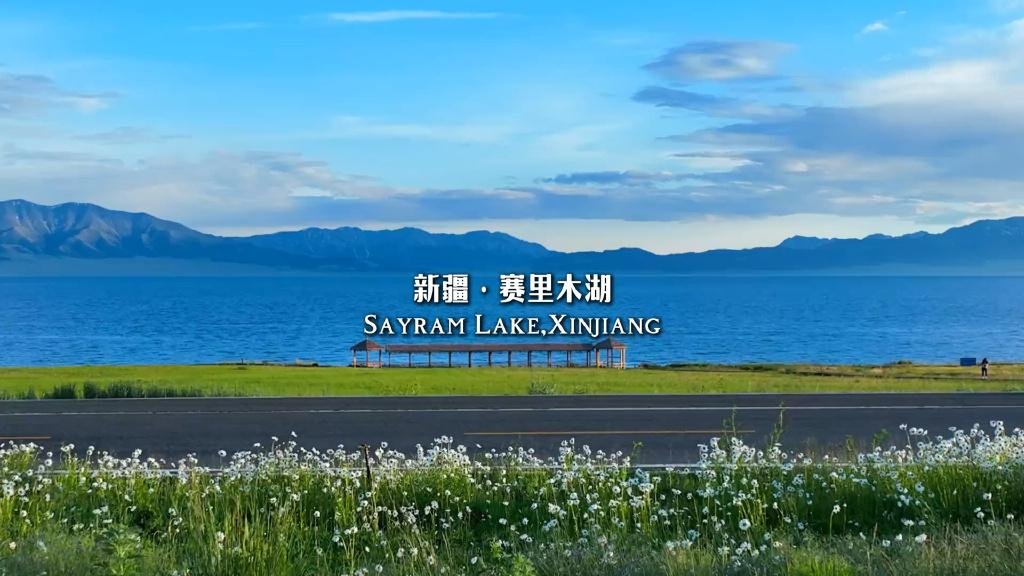
Sayram Lake is my first recommendation for beginners. It is high (2,000m), remote enough to be nearly light-pollution-free, and reachable on a normal road trip. I camped on the eastern shore, set the camera on a rock, and watched the galactic core rise over the water. The reflection doubled the show. A fellow camper and I lay on the gravel for an hour naming constellations we only half-remembered; the dark made us honest about how little we knew.
Camera settings that worked
- Aperture: f/1.8–f/2.8 (fast lens)
- Shutter: 15–20s (avoid 25s+ or stars trail at this latitude)
- ISO: 3200–6400 (push until noise, then back off)
- Focus: Manual, set on a bright star, magnified
- White balance: 3800K for natural night tone
- Intervalometer: For stacked Milky Way or a star-trail sequence
I ruined my first attempt with autofocus hunting the black; manual focus on a bright star is the only reliable way.
The Pamirs: altitude equals clarity
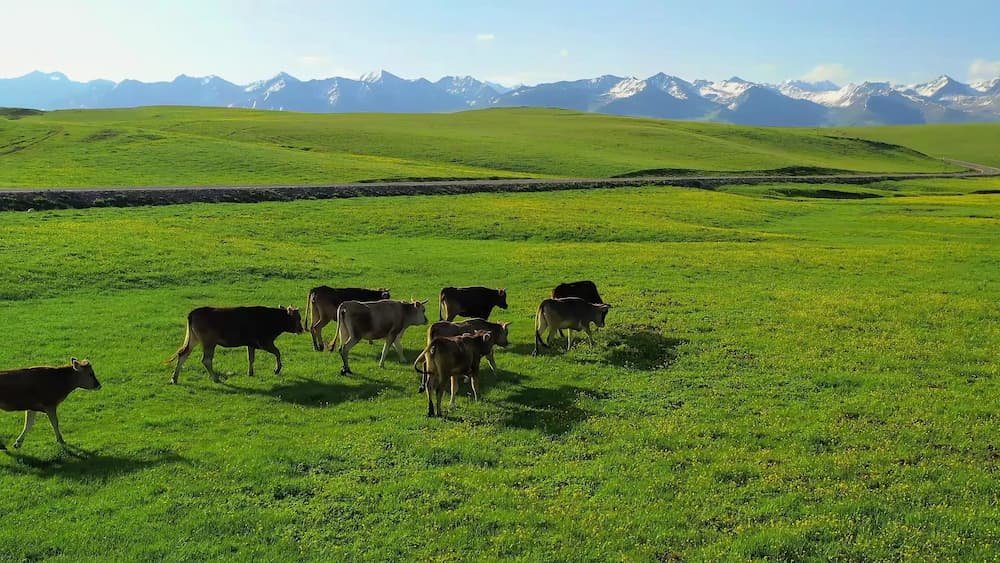
Down near Kashgar, the Pamir Plateau rises past 4,000 meters. The air is thin, dry, and staggeringly clear. I joined a small group to a plateau lake and the sky at 4,200m was the sharpest I have ever seen — planets showed discs, not points. Warning: altitude sickness is real. Acclimatize in Kashgar for two days first, and don’t push high if you feel off. One member of our group had to turn back at 3,800m; the sky waited, but his stomach did not.
Hemu and the Altay Milky Way
The wooden village of Hemu in Altay is famous for dawn smoke, but its nights are the sleeper hit. With the log houses dark and the mountains black, the Milky Way arches directly overhead. I shot from a quiet field outside the village to avoid the few streetlights, and the composition of rooftops against galactic core is now my favorite frame from the whole trip. A dog barked once, a horse snorted somewhere in the dark, and otherwise there was only the slow turn of the sky.
Meteor showers
- Perseids (mid-August): Watch from Sayram Lake; warm nights, high rates
- Geminids (mid-December): Best from Altay snow or a dark Pamir edge — dress for brutal cold
- Quadrantids (early Jan): Short peak; worth it if you are already north
For the Geminids I drove to Altay in December and sat at −28°C. The meteor rate was glorious; my toes were not. Warmth is not optional (see below).
Staying warm is the real skill
Cold ruins more stargazing than clouds do. My kit:
- Down suit or heavy layers — you sit still for hours
- Hand and toe warmers — batteries and fingers both
- Thermos of tea — morale is thermal
- Reclining chair — looking up kills your neck fast
- Headlamp with red mode — preserves night vision
I also tuck a heat pack against the camera battery in extreme cold; it buys a few more frames before the sensor ices.
A dark-sky code
I keep the light discipline strict: no white torches, no tent lights left on, and I ask camp neighbors to dim theirs. The Ili valleys and plateau edges are dark because people protect them. A single phone flashlight held careless can end a neighbor’s night. On the Pamir trip our guide confiscated a guest’s phone flashlight after one careless sweep — firm, and right.
What I got wrong the first night
My debut at Sayram Lake was nearly a waste. I arrived at 21:00, set up under a security light I assumed was far enough away, and wondered why every photo had an orange wash. The light was a kilometer off and still ruined the sky. I moved the car behind a low ridge and the sky returned. Lesson one: darkness is fragile, and you must engineer it.
Lesson two was focus. I left autofocus on, the camera hunted the black, and my first ten frames were soft garbage. Manual focus on a bright star, magnified ten times, is the only method that works. Lesson three was warmth — I wore a jacket and jeans, lasted 25 minutes, and went back to the tent shivering and empty-handed. The night I returned with a down suit, a reclining chair, and a thermos, I stayed three hours and got the shot. Stargazing in Xinjiang is 20% sky and 80% preparation; get the 80% right and the sky does the rest.
Photographing a meteor shower specifically
For a shower like the Perseids or Geminids, the method differs from Milky Way stills. I use a wide fast lens (14mm f/1.8), ISO 3200–6400, and 15-second exposures on an intervalometer set to fire continuously for two hours. Most frames catch nothing; a few catch a streak, and one might catch a fireball that ruins you for ordinary nights. Frame with the radiant low and the horizon interesting — a Sayram Lake shoreline or an Altay ridgeline gives the meteor a stage.
Battery management matters more during a long shower: I rotate two bodies through a warm pocket every half hour. And I watch with my eyes, not the screen. The camera records; you should feel the sky move.
Where to begin
If you have one night, drive to Sayram Lake and sleep by the shore. If you have a week, add Hemu in Altay and a Pamir night out of Kashgar. Xinjiang gives you the sky our cities stole. Lie back, let your eyes adjust for twenty minutes, and remember what the dark is supposed to feel like. The stars were here first, and in Xinjiang they are still in charge.