
I’ve now rented cars in Xinjiang four times, and the difference between a smooth loop and a stressful one came down to the company I chose and the small print I almost skipped. Xinjiang’s distances are no joke — Urumqi to Kashgar is over 1,400 km — so your rental is the backbone of the trip. Here’s the straight talk.
The national chains: reliable, predictable
China Auto Rental (神州租车) and eHi Car Rental (一嗨租车) are the two giants you’ll find at Urumqi airport and in city centers. Their upsides are real: standardized contracts in app-form, English-friendly interfaces for eHi at least, roadside assistance, and a real chance of finding a clean, low-mileage car. I used eHi for a Turpan–Kanas loop and the pickup took ten minutes through the app. Their downside is price — peak summer rates climb, and one-way drop-off fees between, say, Urumqi and Kashgar can be steep because they have to reposition the car.
Local rental shops: cheaper, looser
Around Urumqi and Kashgar you’ll find smaller local outfits with lower daily rates and more negotiation room. I once got a decent SUV from a Kashgar backstreet shop for less than half the chain price. But the contract was thin, the English was zero, and the insurance was murky. Only go local if you read the Chinese terms or bring someone who can, and always photograph the car thoroughly. The savings aren’t worth a disputed scratch charged to your deposit.
Why an SUV is not optional
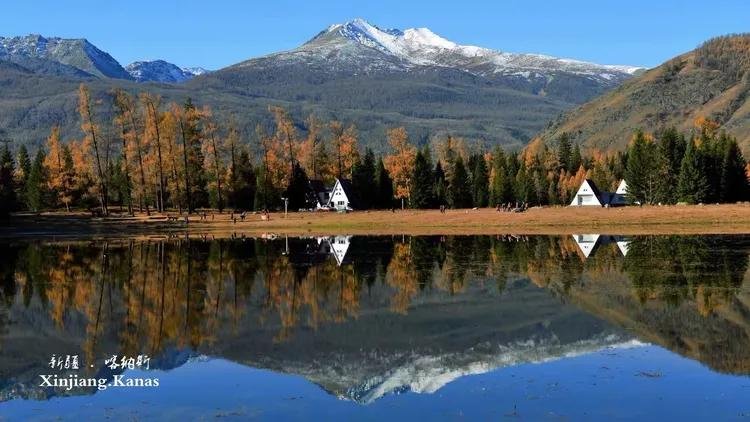
People ask if a sedan is fine. On the main highways, yes. But the moment you leave the G30 or detour toward Kanas forest roads, the gravel, the occasional flood wash, and the long unlit stretches make an SUV the sane choice. I rented a compact sedan once for a Urumqi–Turpan run and regretted it the second a rainstorm turned a side road to mush. Ground clearance and tougher tires paid off on every later trip.
Insurance: read the two tiers
Every quote shows a basic insurance (基础险) baked in, which leaves you with a deductible — often a few thousand yuan — for any damage. For peace of mind I always add the full waiver / no-deductible option (不计免赔). It costs more per day but once, when a gravel stone cracked my windshield near Turpan, it meant I walked away at return with zero argument. For a remote Xinjiang trip, the waiver is worth every yuan.
Pickup and the damage checkpoint
At pickup, walk the car with the agent and photograph every scratch, dent, and windshield chip, ideally with the agent in frame or the damage noted on the form. I do a slow video walkaround. Returns in Xinjiang can be busy and a pre-existing mark blamed on you is the classic dispute. Ten minutes of photos saves a deposit fight later.
Winter: snow tires and special clauses
If you rent between November and March, ask specifically about snow tires (雪地胎). Some chains fit them automatically in mountain routes toward Kanas; local shops may not. Winter contracts often include clauses about not attempting certain closed passes — respect them. I delayed a Tian Shan crossing by a day after a rental agent flatly told me the pass was ice-locked; that call likely saved the car.
Driver’s license: translation required
Your home license isn’t enough on its own. Carry an official Chinese translation or an IDP-style international permit accepted locally — most chains want a notarized translation, and eHi’s app guides you through uploading one. I got mine done before leaving home and it smoothed every pickup. Without it, national chains will refuse you outright.
My quick decision guide
- First time / want zero hassle → eHi or China Auto Rental, SUV, full waiver
- Tight budget, confident in Chinese → vetted local Kashgar or Urumqi shop
- One-way Urumqi → Kashgar → book the chain early; compare the drop fee vs flying back
- Winter → confirm snow tires in writing before paying
Fuel, tolls, and the real daily cost
The rental price is only part of the bill. Fuel on a Urumqi–Kashgar loop is significant — I spent more on petrol than on three days of the car itself, because distances are enormous and an SUV drinks more. Highway tolls (ETC or cash) add up too. Budget roughly the rental fee again in fuel for a long loop, and don’t be surprised when a remote stretch has only one gas station for 200 km — I learned to top off whenever the tank dropped below half, especially before the Turpan desert roads where stations thin out.
Returning the car without drama
At drop-off, the same photo rule applies in reverse. I walk the car with the agent, match it to my pickup video, and get the deposit release confirmed on the spot — ideally in the app with a “no damage” status. Chains like eHi refund the deposit quickly; local shops may want a few days. I once returned in Kashgar with a new scrape from a Pamir rock and, because I’d taken the full waiver, signed and left in five minutes. Without that waiver it would have been a negotiated charge and a held deposit.
Driving nerves and the long empty roads
A word of reassurance: the main Xinjiang highways are excellent and well-signed, and outside city rush hours they’re empty. The mental challenge is the boredom and the distance — four hours between stops is normal. I break long drives with a night in Turpan or a midway town, and I never drive the Pamir or Tian Shan passes tired. The car is your freedom here; treat the logistics seriously and it rewards you with the drive of a lifetime.
Rent smart and Xinjiang becomes a drive-you’ll-never-forget. Rent careless and it becomes the story you tell about the deposit you lost.