

The first time I visited Xinjiang I chased lakes. The second time, I came back for grass. The Ili Valley in the far west is a green slash through an otherwise brown map, and its grasslands are not one thing but three very different characters. I’d already done the north’s Kanas Lake and Heavenly Lake on earlier trips, and I assumed the meadows would feel like a lesser version. They didn’t. Four days is tight, but if you skip the cities and sleep among the meadows, you can meet all three without feeling herded.
Why three grasslands and not one
People ask me which grassland is best. My answer is always “all three, because they’re nothing alike.” Nalati is a manicured, accessible valley with a cable car and a performance. Bayinbuluke is a high, windswept wetland where swans nest and the sunset doubles on water. Kalajun is wild and ridged, the kind of place you hike rather than pose. Seeing them back to back taught me more about the land than any single postcard could, and it explained why the valley, not the famous lakes, is what locals actually call home.
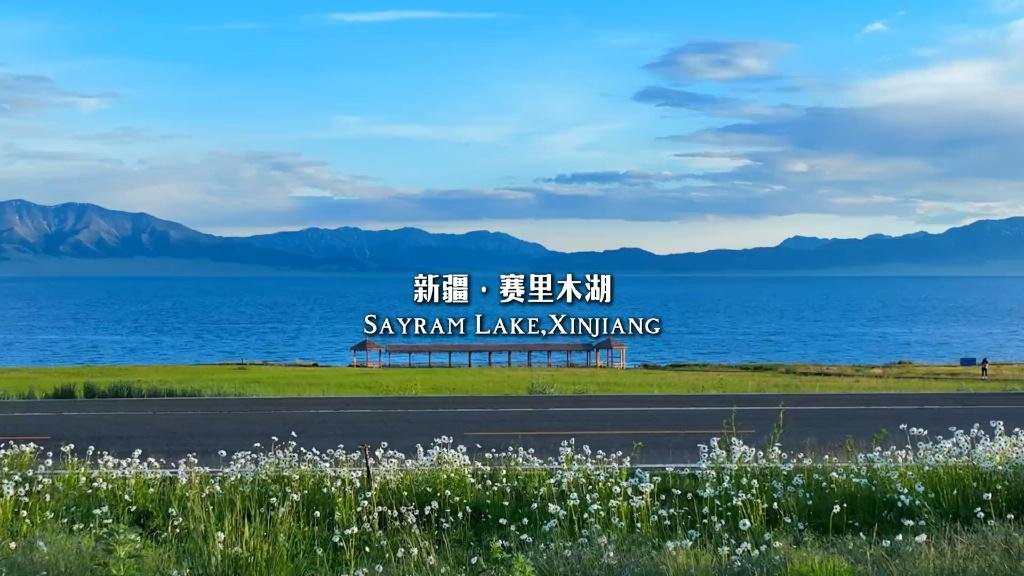
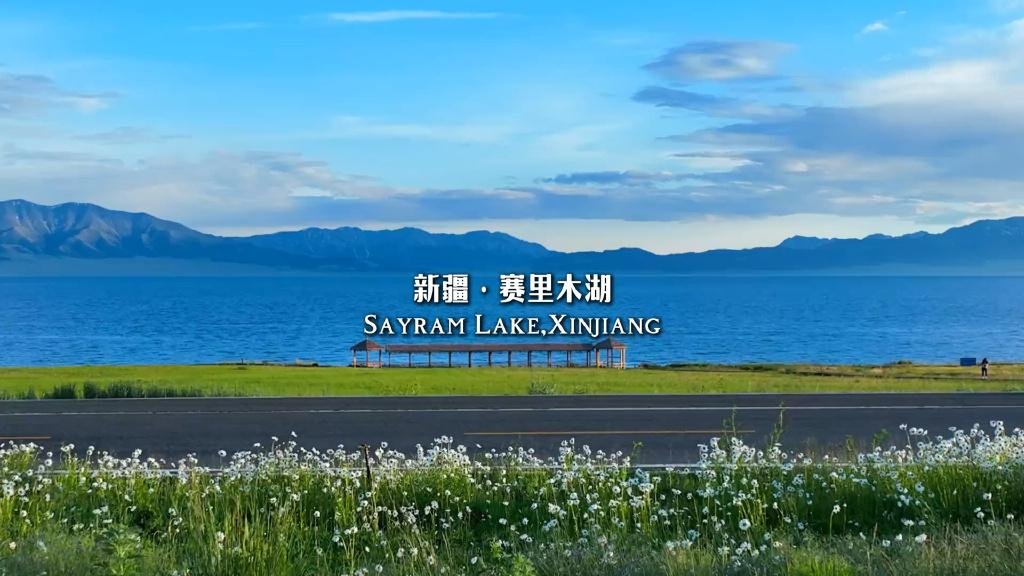
Fly into Yining from Urumqi, the valley’s hub, and rent a car there. Ili Valley roads are good and the distances between meadows are short — that’s what makes this route gentle. If you have an extra day, the nearby Sayram Lake sits a few hours north and pairs well as a blue counterpoint to all this green.
Day 1 — Yining to Nalati
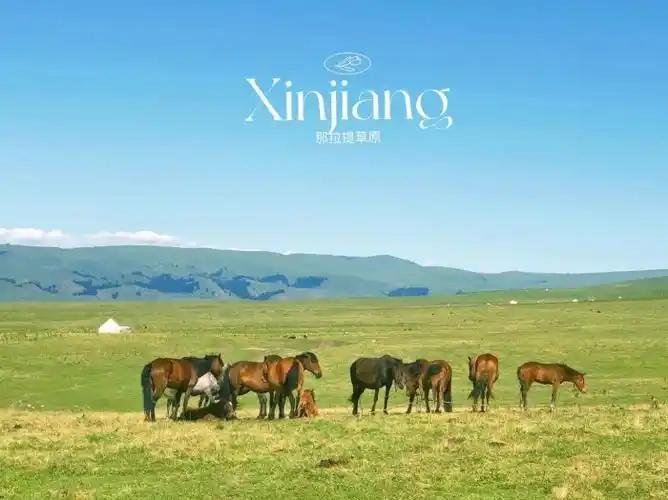
Drive east from Yining to Nalati, about three hours through fields of wheat and the occasional apricot orchard, with the Tianshan snow never far to the right. I arrived in the late afternoon and took the valley shuttle to the river flat, where Kazakh herders still bring horses down at dusk. The performance stage was empty that day, which I preferred — just wind, grass, and a kid practicing rope tricks near the parking lot while his grandfather watched from a saddle.
Stay in a yurt camp just outside the scenic area. The host poured me milk tea and warned the night would drop near freezing even in July. He was right. I woke to frost on the felt and a dog barking at nothing, and I’ve rarely felt more awake.
Day 2 — Nalati morning, then Bayinbuluke
Spend the early morning on Nalati’s sky grassland — the upper meadow you reach by the longer shuttle. Few tourists make the climb, and from up there the valley folds into a green quilt stitched with rivers. By late morning, drive south toward Bayinbuluke, roughly three and a half hours over a high pass. The road itself is the highlight: you crest into a giant alpine basin where the sky feels twice as tall and the only sound is your own engine.
Bayinbuluke’s Swan Lake is the draw, but the real magic is the Nine-Bend River at sunset, where the water curves into the plain and the low sun turns each bend to fire. I arrived an hour before close and barely moved from the viewing platform, watching the light walk across the water until the guards politely told me to go.
Day 3 — Bayinbuluke to Kalajun
This is the longest drive of the trip, about four hours west toward Kalajun, near Tekes. Break it up at a roadside spot for laghman noodles — the kind of meal you remember because the cook apologized that the bread was stale and then brought extra onions to make up for it. Kalajun is less developed than the other two, and that’s the point. I hiked the east ridge in the afternoon and had the whole slope to myself except for marmots whistling from the rocks and a single eagle riding the thermal below my feet.
Day 4 — Kalajun and back to Yining
Take the morning to walk Kalajun’s flower terraces if it’s June — the wildflowers carpet the ridges in a way that feels staged but isn’t, a different species every few steps. Then drive back to Yining, about two and a half hours, and catch an evening flight out. If you have energy, Yining’s evening bazaar is a calm way to end: grilled corn, cold apricot juice, and old men playing chess under the lamps while the call to prayer drifts over the stalls.
What surprised me
I expected to pick a favorite and didn’t. Nalati was easiest on the legs, Bayinbuluke the most cinematic, Kalajun the most peaceful. The Ili Valley doesn’t make you choose — it just shows you the same green idea stretched into three completely different moods. If you’ve already done the north’s lakes, this is the logical second act, and honestly the one I’d repeat first.
A note on getting between the meadows
The distances on this route look small on a map but the roads climb and fall, so budget more time than the mileage suggests. I let the GPS overestimate and was happier for it. Fuel up in Yining before the first leg — the smaller towns have stations but not always the grade you want for a long mountain run, and running low on a high pass is the kind of story you tell once and don’t repeat. Book the yurt or guesthouse a day ahead in July and August; the meadows fill with domestic travelers on the weekend, and the best spots near Nalati and Bayinbuluke sell out first. If you’re driving yourself rather than with a car and guide, download offline maps before you leave Yining, because the signal on the Bayinbuluke pass is a rumor. The Ili Valley rewards planners and punishes the casual, and I’d rather be the former.