

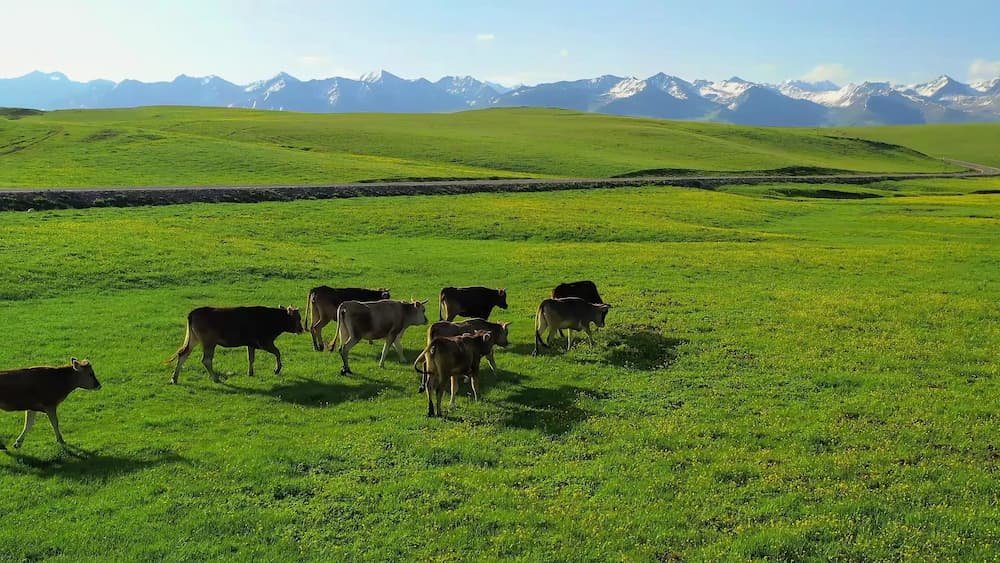
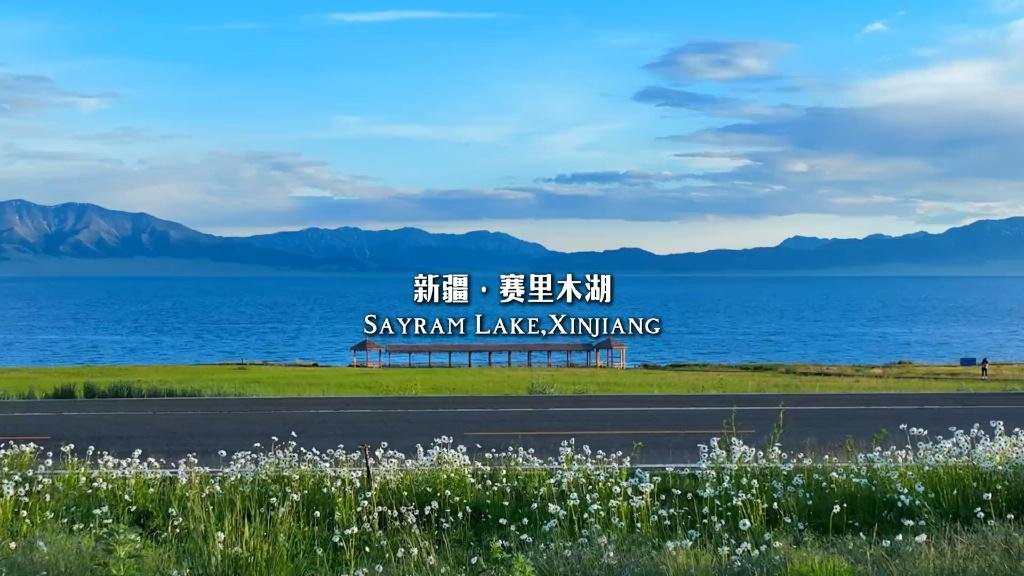
When people picture Xinjiang, they usually imagine alpine lakes. I used to be one of them — my first trip north was all Heavenly Lake and Kanas Lake, and I came home convinced that was the whole story. Then I spent six days below the Tianshan and found the culture that actually stuck with me. The south is dustier, older, and far more human. Six days isn’t enough to see everything, but it’s enough to fall for Kashgar, touch the Pamirs, and eat your way through Hotan. This is the route I send to friends who care more about people than panoramas.
Day 1 — Arrive in Kashgar, get lost on purpose
Fly into Kashgar from Urumqi — the flight is long but cheap, and you land in a different world. Skip the rest on day one and walk the old city. The lanes of the rebuilt Old Town are a maze by design, and the best thing I did was put my phone away and just turn corners. A coppersmith hammered a teapot in a doorway; a boy kicked a football past a bakery; an old man invited me to sit and drink brick tea without a word of English between us. We ended up sharing a plate of walnuts and laughing at nothing in particular.
Stay inside the old town if you can. The guesthouses have thick mud-brick walls that keep the desert heat out, and the rooftop at dusk — with the call to prayer rolling across the tiles — is the best free show in town. I sat up there an hour past dark just listening.
Day 2 — Sunday market and the city’s edges
If your visit lands near Sunday, the livestock market on the city’s edge is unmissable. I watched a man buy a sheep by slapping its flank, haggling for ten minutes, then shaking hands over sweet raisins someone pressed into my hand. The animals are brought in by truck at dawn, and by noon the whole place smells of dust, hay, and nervous wool.
In the afternoon, see the Id Kah Mosque and the Apak Hoja mausoleum. The tourism gloss is real, but the devotion at both is not. At a small tea house off the main lane I ordered a pot of green tea and got adopted by a table of retirees who insisted I try their homemade apricot jam on nan. That hour taught me more about the south than any monument.
Day 3 — The Karakoram Highway to Tashkurgan
This is the day the trip earns its name. Drive the Karakoram Highway (KKH) southwest from Kashgar toward Tashkurgan. The road climbs past Urumqi-level plains into bare mountain, then into the Pamirs, and the air gets thin enough that I found myself breathing through my nose on purpose. Karakul Lake sits below Muztagh Ata, a snow peak locals call the “Father of Ice Mountains.” I stopped there for an hour and watched yaks graze between the scree and the shore while a herder’s kid tried to sell me a handful of quartz.
Tashkurgan itself is a small Tajik town near the border, and the air is thin and clean. I stayed with a family who served butter tea and a flat bread cooked on a stone; the father had crossed into Pakistan as a trader before the passes tightened. The stone fort on the hill is modest, but standing there you feel the weight of being at a crossroads of empires — this was the roof of the Silk Road.
Day 4 — Back to Kashgar, then a night train south
Return to Kashgar the next morning — the drive back goes faster when you know the stops, and I slept most of it. That evening, board the sleeper train or an overnight bus south to Hotan. I took the train; the berth was hard but the cotton fields flying past at dawn, pale green under a low sun, made up for it. A vendor walked the car with hot kebabs at a stop I couldn’t name, and I ate three standing in the aisle.
Day 5 — Hotan’s jade, silk and bread
Hotan is famous for three things, and I chased all of them. The jade market by the river is where locals still dig stones from the water — I bought a small river-pebble jade for less than a nice dinner and have no regrets. The seller wrapped it in newspaper and told me, through a translator app, that it had been in his family’s pocket for luck before he sold it. The silk workshop on the city’s edge shows the old tie-dye method by hand, and the bread lane near the bazaar produces round nan that crackles when you break it.
Spend the evening at the Hotan night market. The lamb skewers are fine, but the real prize is the “shisha” of fruit — roasted walnuts, apricots, and dates sold by weight in paper cones. I bought one of each and walked the stalls until the call to prayer ended the night.
Day 6 — Fly home via Urumqi
Most flights out of Hotan connect through Urumqi, so plan a layover buffer. If you have a few hours, the Urumqi museum’s west wing has a Hotan Buddhist relic hall worth a dash if your connection allows — a quiet bookend to a trip that began in the north’s lakes and ended in the south’s dust.
Honest notes for the south
Southern Xinjiang is drier, dustier, and more conservative than the north I’d seen first. Cover your shoulders out of respect, carry cash for the small markets, and learn two phrases: “rahmet” (thank you) and “qandaq” (how much). I spoke maybe forty words of Uyghur the whole trip and was treated like a regular. The desert doesn’t care about your itinerary, but the people do — and they’re the reason I’ve already booked a third visit.