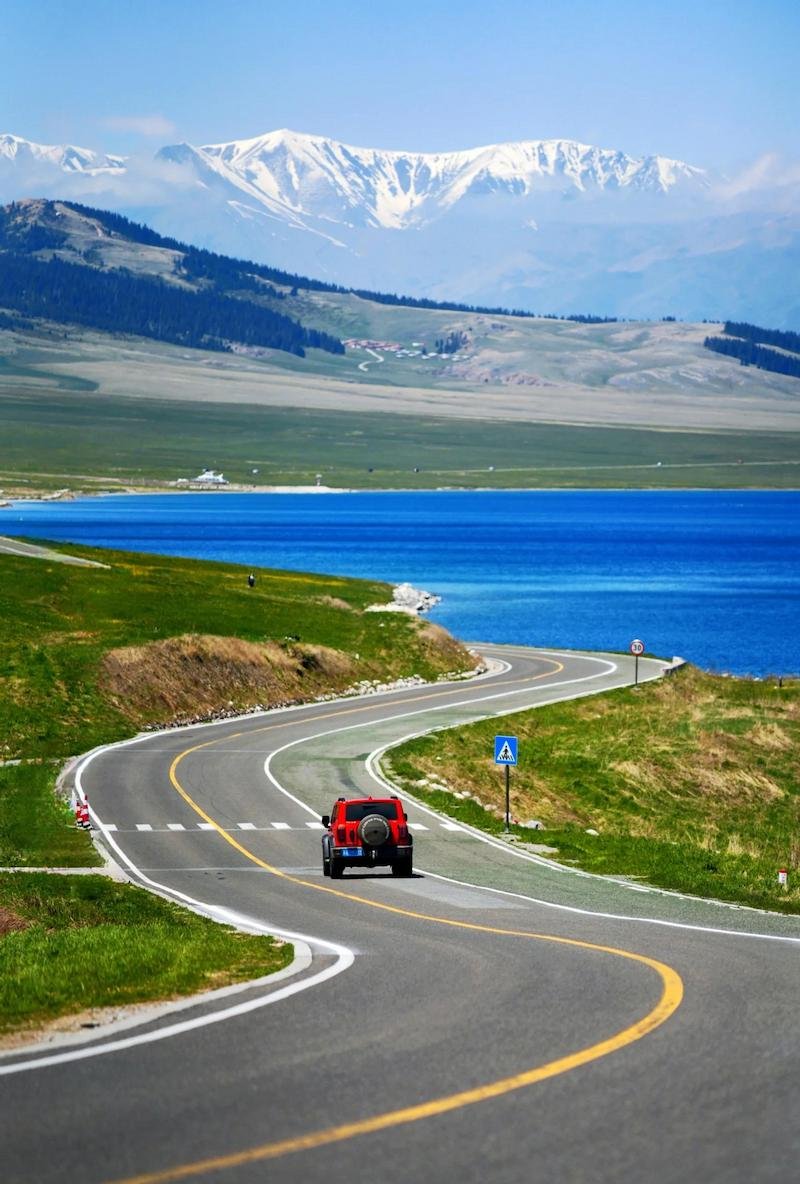
Duku Highway Self-Drive – Four Seasons in One Day
The Route in One Breath
Most people rush past Duku Highway Self Drive. They shouldn’t. Give it a proper look and it quietly becomes the part of Xinjiang you remember longest.
This is a driving route as much as a destination list. The road itself — Duku Highway-style passes, Ili valleys, Pamir switchbacks — is half the point.
Day-by-Day Highlights
- Days 1–2: Ease in from Urumqi, then push toward the first big landscape.
- Mid-route: The headline stops — Kanas Lake, Sayram Lake, or Kashgar depending on your loop.
- Final stretch: A slower day to actually absorb it before flying or driving out.
Driving & Logistics
A self-drive route in Xinjiang means long distances and gorgeous nothing-in-between. Fuel up whenever you can, download offline maps, and check our Xinjiang travel tips for border and permit notes if your loop touches Kashgar or the Pamir.
Best Stops Along the Way
Don’t treat the in-between as dead time. Roadside bazaars, a random apricot orchard, a teahouse at dusk — these are the memories.
Tips for First-Timers
- Don’t over-plan. The best moments here are unplanned — a tea invitation, a detour, a sunset you didn’t expect.
- Carry cash. Cards work in cities, but small-town ticket booths and roadside stalls often don’t.
- Go early. The single best upgrade to any Xinjiang trip is being at the gate when it opens.
Making the Drive Count
The mistake most first-timers make on a Xinjiang road trip is treating the route as a checklist. It isn’t. The Duku Highway, the Ili valleys, the Pamir switchbacks — these are the trip. Build your days around the driving, not despite it.
Fuel and toilets: fill up whenever you see a station; the gaps between them are long and pumps in small towns close early. Toilets at scenic stops are basic — carry tissues and small change. Cash matters more than you’d expect once you leave the cities.
Driving style: speed limits on mountain passes are strictly camera-enforced and the penalties are real. Locals drive fast and confident; you don’t have to match them. Pull over at marked viewpoints, let the honkers pass, and enjoy being somewhere most people only see in photos.
If this is your first self-drive route in the region, start with a shorter loop and a Xinjiang itinerary you can actually finish. A half-done ambitious plan is worse than a completed modest one.
Quick Reference
| | |
|—|—|
| Best season | Spring & autumn for most; our best time to visit Xinjiang guide has the month-by-month.
| Daily budget | ¥150–600 depending on style and city.
| Crowd level | Moderate — arrive at opening to beat tour groups.
| Permit needed? | Only for Kashgar→Tashkurgan border areas; see Xinjiang visa rules.
FAQ
Do I need a guide? Not always. Cities and major scenic areas are signed in English and Mandarin. Remote regions (Pamir, some border zones) are far easier with a local driver.
Is it safe for solo travelers? Yes — read our Is Xinjiang safe on-ground answer. Standard travel caution applies.
How many days here? At least 2–3 for a single stop; a week+ if you’re stringing several on a Xinjiang itinerary.
Where You’ll Sleep
Three tiers, and the gap between them is smaller than you’d expect. Hostels and guesthouses in the old towns of Kashgar or Turpan run $15–35 a night, often with a courtyard and a family running the front desk. Mid-range hotels in Urumqi sit around $40–80 and are where most first-timers end up; the rates swing hard with season, and the same room in August can be half price in February. Inside the big scenic areas, ecolodges and guesthouses in places like Hemu are the only real option — book them the day the calendar opens, because the village is small and the buses are full by mid-morning.
What actually decides where you sleep is the shape of your day, not the budget. If you want to be at the gate when it opens, sleep inside the scenic zone and accept the higher tariff. If you’d rather have a real bed, a热水 shower and dinner you didn’t have to queue for, base yourself in the city and drive out early. Most people who regret their accommodation didn’t plan this at all.
Getting There and Moving Around
Almost every route starts in Urumqi: it has the region’s main airport, the long-distance bus station and the rail hub, so book the outbound leg into Urumqi and build outward from there. Flights from Kashgar to Urumqi are short but occasionally cancelled in winter fog; the overnight train is slower and far more reliable, and the sleeper berth is the cheapest comfortable bed in the province. If you’re short on time, an internal flight plus a hired car for the local legs usually beats trying to do the whole loop by public transport.
Self-drive is the other half of the story, and it’s excellent until it isn’t. Distances here are brutal — a “short” hop between two viewpoints can be four hours, and the mountain roads take snow early. Fuel up whenever you pass a station, carry cash for small ticket booths, and remember that the famous shortcuts (the Duku Highway through the Tianshan, the Pamir passes) are seasonal. Build the day around the driving rather than cramming two stops into it.
Sources Worth Checking Before You Go
Border rules, seasonal road closures and flight schedules change faster than any guidebook, so confirm them against the official China travel portal and the China Daily travel desk. Both track the winter closures that decide whether a planned day is possible at all.
If you’re still shaping the bigger picture, our Xinjiang travel tips and the best time to visit Xinjiang guide are the two reads I’d start with. Pair this with a solid Xinjiang itinerary and you’ve got a trip that actually hangs together.
—
Published on Xinjiang Travels — real advice from someone who’s been there.