Xinjiang Border Permit for Tashkurgan and the Pamirs
Xinjiang Border Permit for Tashkurgan and the Pamirs: A Practical 2026 Guide
Important first: this is a practical planning guide, not an official statement of rules. Requirements for border-adjacent areas in Xinjiang can and do change, they are applied by local authorities, and the details you read in a blog post — including this one — may be out of date by the time you travel. Always confirm the current requirements with your hotel, a licensed local travel agency in Kashgar, or the relevant local authority before you commit to an itinerary. What follows is the framework that experienced travellers use to plan around the paperwork: which journeys are typically affected, what the document is and is not, how it is usually arranged, what to have ready at checkpoints, and how to build enough slack into a trip so that a delay does not ruin it.
First: Do You Actually Need One?
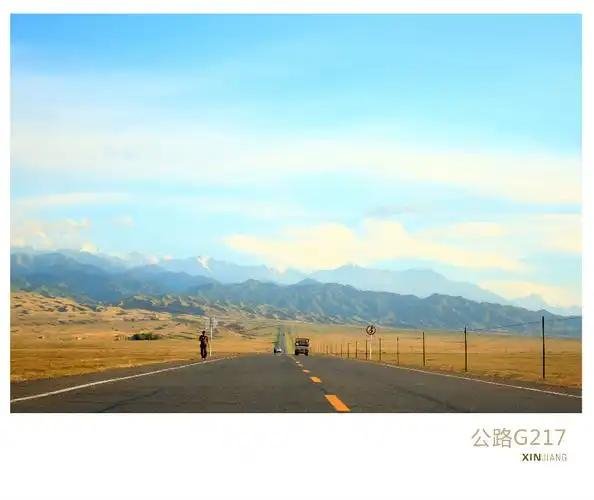
Most of Xinjiang needs no special document beyond your passport and valid Chinese visa. Urumqi, Turpan, the Ili grasslands, Kanas, Kashgar city itself and the great majority of tourist sites are ordinary domestic travel. The additional paperwork becomes relevant when you head into certain border-adjacent counties and high mountain corridors — most notably the route south from Kashgar toward Tashkurgan and the Pamir plateau, including the Karakul Lake area and the roads continuing toward the high passes.
That distinction matters because travellers often panic unnecessarily. A three-day stay in Kashgar’s old city and its bazaars is a very different proposition from a drive up the Karakoram Highway. Ask the question in terms of your specific route, not “does Xinjiang need a permit”. If your itinerary includes the Pamir corridor, assume you should check, and check early.
Which Areas Are Typically Affected
The general pattern is straightforward: the closer a road runs to an international border or a sensitive high pass, the more likely it is that travellers are asked for additional documentation. County-level administration matters too, so two neighbouring valleys can be treated differently. The corridor most commonly discussed by visitors is the Kashgar–Tashkurgan road, together with side trips toward glacier viewpoints, high lakes and border posts. Some remote trekking areas, certain off-road desert and mountain routes, and a handful of far-flung border townships may also fall into this category.
Because the list is administrative rather than geographical, do not try to memorise it. Instead, tell your accommodation or agency exactly where you intend to go — including named lakes, viewpoints and villages — and ask them to confirm which documents that specific list requires. If you are planning the Pamir self-drive route, be especially specific about side roads, because a detour that looks trivial on a map can cross into a zone where the paperwork differs.
What the Permit Is — and What It Is Not
It is a domestic travel document for certain border-administered areas, issued within China. It is not a visa, it does not replace your passport, and it does not extend or alter the terms of your entry. You still need a valid passport with a valid Chinese visa or applicable visa-free entry, and you still need to comply with normal accommodation registration requirements. The border document is an additional layer that authorises presence in a specific zone for a specific period.
It also does not guarantee access to every place inside that zone. Military installations, certain pass viewpoints, and areas subject to temporary restrictions may remain off-limits regardless of paperwork. This is why “I have the permit, so I can go anywhere” is the wrong mental model. Think of it as one of several conditions, alongside road conditions, weather, altitude and current local rules.
How Travellers Usually Arrange It
In practice, foreign visitors almost always arrange it through a local intermediary — a licensed travel agency in Kashgar, a tour operator, or occasionally a hotel with a dedicated travel desk. The intermediary submits the traveller’s passport details and itinerary to the relevant local authority and collects the document on the traveller’s behalf. This is why organised trips through the Pamirs are noticeably easier to plan than fully independent ones: the paperwork is bundled into the logistics.
Turnaround is often described as same-day or next-day, but you should not rely on that. Public holidays, staffing, weather-related closures and peak-season volume can all slow things down. Build in at least one spare day in Kashgar before the mountain leg, and never schedule the permit collection for the same morning you intend to drive to 3,600 metres. If you want an authoritative starting point for understanding how Chinese government information is published, the official English-language government portal is the appropriate channel; specific local travel documentation, however, is handled locally and should be confirmed there.
Documents to Have Ready
Have the physical originals with you, not just photographs on a phone: your passport with a valid visa or entry status, and the border document itself once issued. Keep a clear photo or photocopy of the passport identification page and the entry stamp as a backup, stored separately. Have the exact names of the places on your itinerary written down in Chinese characters by your agency, because that is what a checkpoint officer will work from. Keep your accommodation details and a local contact number handy. And carry a form of payment that works without mobile data — the SIM card and mobile pay guide explains why relying on a phone alone is a bad idea in the mountains.
One practical detail that catches people out: passport numbers and names must match exactly across the application and your travel documents. A transliteration difference, a missing middle name or an outdated passport can cause a rejection at the application stage. Check the submitted details yourself before the agency sends them, rather than discovering the mismatch at a checkpoint.
At the Checkpoints: What Actually Happens
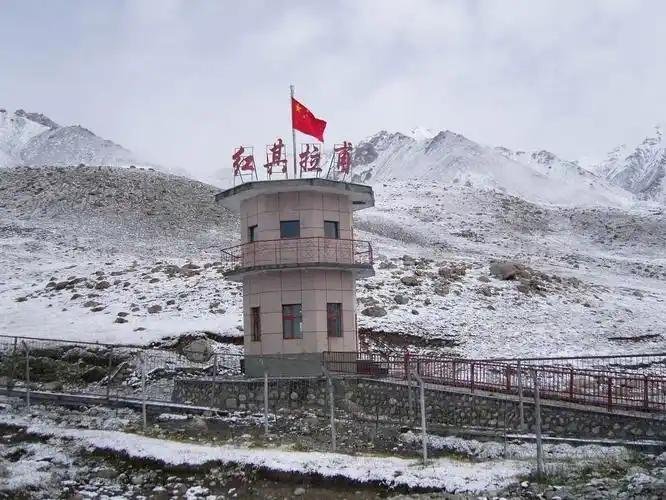
Expect a stop, a document check and a short registration. Your passport and border document will be inspected, details may be recorded, and in some cases your vehicle and driver’s paperwork are checked too. This is routine and usually quick. Have the documents reachable rather than buried in a suitcase in the boot, keep your group together, and answer questions simply. Do not photograph checkpoint buildings, signage, barriers or personnel; this is a common and entirely avoidable source of friction, and it applies even where the surrounding scenery is spectacular. The photography guide covers the broader etiquette for sensitive locations.
At altitude, small delays feel larger, so build in patience. If a checkpoint asks for something you do not have, let your driver or guide handle the conversation — they do this every week and will know whether the issue is a missing copy, a name mismatch or a temporary restriction. Keep the emergency contact notes on your phone offline in case you need to reach your agency.
Independent Travel vs an Organised Trip
This is the real decision, and it is worth being honest about the trade-off. An organised trip bundles the permit, the vehicle, the driver who knows the checkpoints, and the contingency planning; it costs more and gives you less freedom to stop where you like. Independent travel gives you control over light, timing and detours, but puts the paperwork and the problem-solving on you, and self-drive in the high Pamirs is not the place to discover that a document is missing.
A middle path works well for many people: hire a car and driver for the two or three mountain days, keep the rest of the trip independent, and have the agency handle the paperwork as part of the booking. Balance that cost against the overall travel budget, and read the general safety overview for context on road and altitude conditions rather than assuming the paperwork is the only constraint.
Timing: When to Apply and How to Build in Slack
Contact an agency several days before you arrive in Kashgar, send your passport details and full itinerary in advance, and confirm the plan again on arrival. Give yourself a buffer day in the city. If the mountain leg is the fixed point of your whole trip, put it in the middle rather than at the very end, so a weather closure or a delayed document does not collide with your departure flight. Season matters too: some high-country roads are seasonal, and winter conditions can change access regardless of paperwork. The best time to visit guide is the right starting point for that calculation, and the itinerary overview shows how to sequence the Pamir leg sensibly.
Special Cases: Photographers, Drones, Cyclists and Trekkers
If you carry professional-looking camera equipment, a drone, or plan to leave the main road on foot or by bike, raise it explicitly when arranging the paperwork. Drone use is subject to separate rules and restrictions that vary by location, and “I did not know” is not a useful conversation at a checkpoint. Cyclists and trekkers move slowly through zones where the document’s stated route and dates may be checked, so a vague itinerary is a liability. Stargazers heading out after dark should note that being away from your vehicle and accommodation in a border zone at night is exactly the situation that invites questions; the camping and stargazing guide is worth reading alongside this one.
If the Document Is Delayed or Refused
It happens, and it is not the end of the trip. Kashgar itself rewards two or three unhurried days, and there is plenty to fill a buffer: the old town, the craft streets, the morning markets, the teahouses, and the surrounding villages. A delayed mountain leg can usually be shifted by a day rather than cancelled. If a specific border zone is closed, ask your agency for an alternative high-country route rather than trying to talk your way past a checkpoint. Regional reporting in outlets such as China Daily’s travel section is useful for seasonal access news, but your local agency will always have the more current picture.
This is also why the accommodation choice in Kashgar matters more than it seems: a hotel with an experienced travel desk can solve in an hour what might otherwise cost you a day.
Common Misconceptions
“The whole of Xinjiang requires a border permit” — false, and it leads people to over-plan. “I can apply online myself from abroad” — not the normal route for foreign visitors; local arrangements are the practical channel. “A photocopy of my passport is enough” — no, carry originals. “The permit lets me go anywhere in the county” — no, restrictions can still apply to specific sites. “My tour operator said it is fine, so I do not need to check” — ask to see the actual document before departure and verify that your name and the places on your itinerary are correct. Finally, “the rules I read last year still apply” — the single most common mistake, and the reason this guide deliberately avoids quoting precise fees, validity periods or processing times.
A Pre-Departure Checklist
Confirm current requirements for your exact route with a Kashgar-based agency. Send passport details and a named place list in advance. Verify the spelling of every name on the issued document. Carry originals plus offline copies. Keep a buffer day in the city. Ask explicitly about cameras, drones and off-road plans. Save your agency’s number offline. Check road, weather and altitude conditions the day before you leave. And read the permits and insurance overview together with the common pitfalls list so the paperwork is not the only thing you have planned for.
The Bottom Line
The border document is a logistics item, not an obstacle to visiting Xinjiang. Handled early, through a local agency, with a spare day and the right originals in your pocket, it is a minor piece of admin attached to one of the most spectacular road journeys in Asia. Handled at the last minute with a fixed departure and a vague itinerary, it can cost you the highlight of your trip. Plan the paperwork with the same care you plan the light for the Tajik communities of the Pamir, and the mountain days will be exactly as good as you hoped.
Frequently Asked Questions
Do I need a border permit for Kashgar city?
Generally no. Ordinary tourism in Kashgar city and most of Xinjiang requires only a valid passport and Chinese visa. Additional documentation becomes relevant for certain border-adjacent counties and high mountain corridors.
Which trips most often require one?
The Kashgar to Tashkurgan and Pamir plateau corridor, including the Karakul Lake area and roads toward the high passes, is the route most commonly associated with additional documentation. Confirm your exact list of places locally.
How do foreign visitors usually obtain it?
Through a licensed local travel agency, tour operator or hotel travel desk, which submits passport details and the itinerary to the local authority. Confirm the current process with your chosen provider before travelling.
How long does it take and what does it cost?
Processing times and any fees are set locally and can change with season, holidays and policy. We deliberately do not quote figures here; ask your agency for the current position when you book.
Do I need to carry my original passport?
Yes. Carry the original passport with valid entry status and the issued document, plus offline photos or photocopies as a backup. Names and numbers must match the application exactly.
Can I photograph checkpoints?
No. Do not photograph checkpoint buildings, signage, barriers or personnel. Ask your guide where photography is appropriate, and keep drone use separately cleared in advance.
Written by Karl Huang – a Xinjiang-based travel writer who always builds a spare day into Kashgar, and has never once regretted it.